
Blockchain technology is rapidly gaining traction across the global financial sector, and the Philippines is no exception. In the face of challenges such as fraud, inefficiencies in cross-border payments, and the need for greater financial inclusion, blockchain presents a promising solution for the Philippine banking industry. As a decentralized and transparent system, blockchain offers significant improvements in security, transaction efficiency, and access to banking services for underserved populations.
One of the primary benefits of blockchain technology in the Philippine banking sector is its ability to enhance security. With increasing concerns about cyber threats and data breaches, the need for robust security measures is more pressing than ever. Traditional banking systems rely on centralized databases, which are susceptible to hacking and unauthorized access. Blockchain technology, on the other hand, utilizes a distributed ledger system where data is stored across multiple nodes. This decentralization makes it incredibly difficult for malicious actors to tamper with transaction records. Additionally, each transaction on the blockchain is cryptographically secured and validated by a network of participants, ensuring its integrity and trustworthiness.
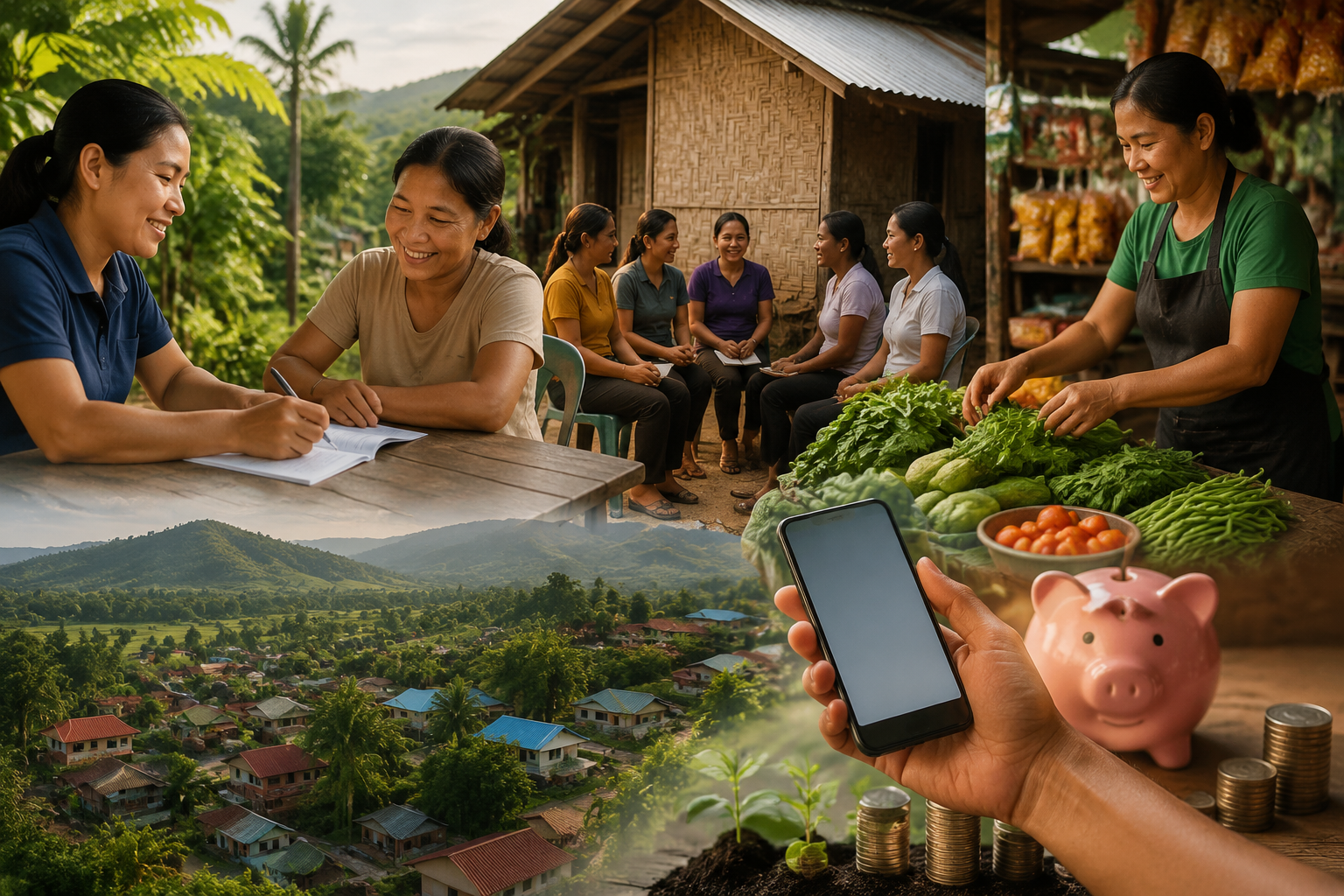
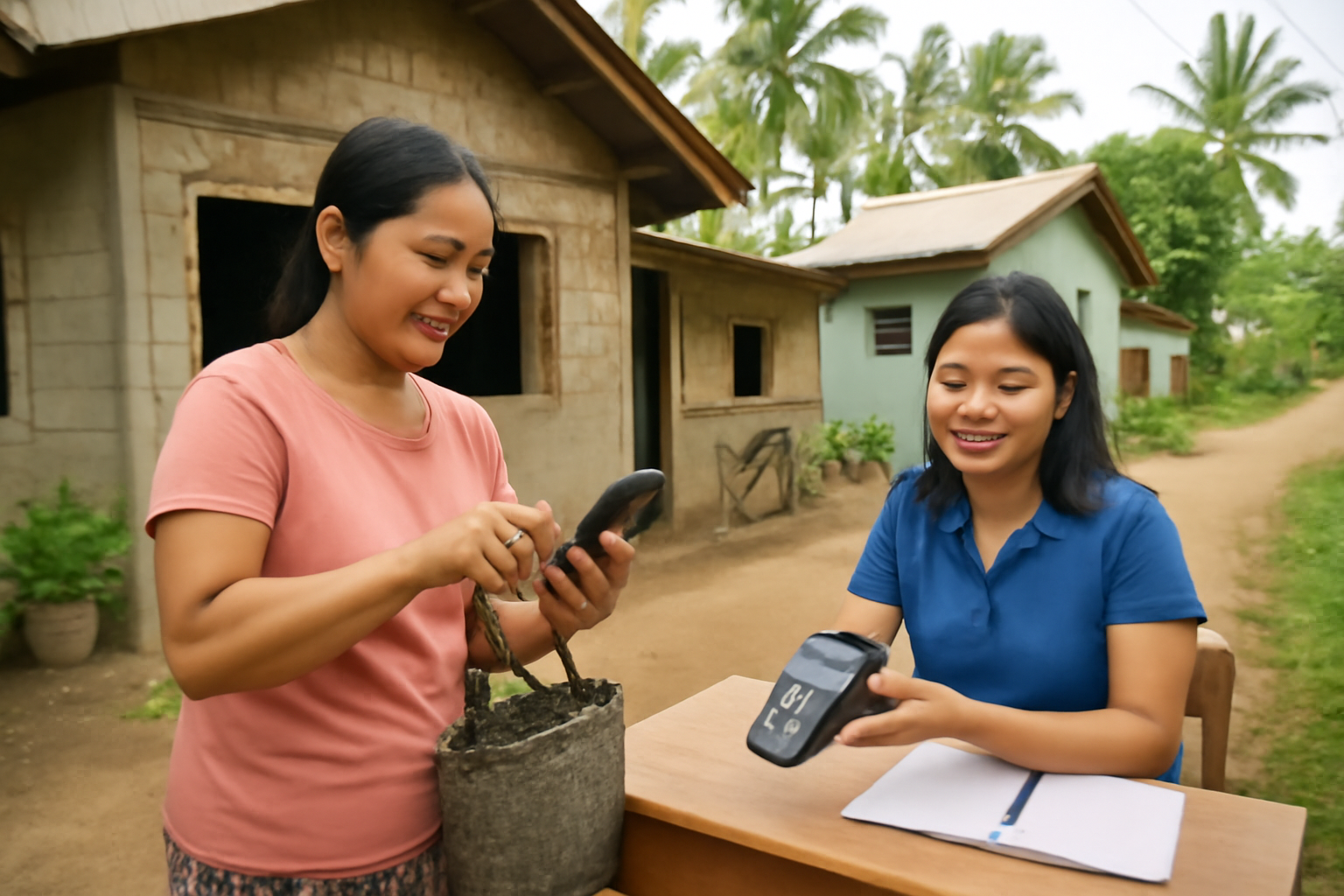
Blockchain also offers an innovative solution to the issue of financial inclusion in the Philippines. Despite the country’s economic growth, a significant portion of the population remains unbanked, particularly in rural areas. Traditional banks have limited reach in these regions due to infrastructure challenges, leaving many Filipinos without access to essential financial services. Blockchain technology can help bridge this gap by enabling the development of decentralized financial services (DeFi) platforms that provide access to banking services via mobile phones. Digital wallets and blockchain-powered payment systems can empower unbanked Filipinos to conduct financial transactions, access credit, and save money, all without the need for physical banking infrastructure.
Furthermore, blockchain technology can drastically improve the efficiency of cross-border payments, which are vital to the Philippine economy. The country is one of the world’s largest recipients of remittances, with millions of overseas Filipino workers (OFWs) sending money back home to their families. Traditional remittance services often involve high fees, slow processing times, and limited transparency, creating a cumbersome experience for both senders and recipients. Blockchain-based remittance platforms, however, allow for instant transactions with significantly reduced fees. By eliminating the need for intermediaries, blockchain ensures that remittances are processed faster and more cost-effectively, ultimately benefiting millions of Filipinos who rely on these funds.
Beyond remittances, blockchain can improve the overall efficiency of domestic payment systems. In traditional payment networks, transactions often require multiple intermediaries, leading to delays and added costs. Blockchain removes these intermediaries, allowing for direct peer-to-peer transactions. This streamlined process reduces transaction times and costs, making it easier for individuals and businesses to make payments. For the Philippine banking sector, this increased efficiency can result in a more fluid and cost-effective financial ecosystem.
The Philippine central bank, Bangko Sentral ng Pilipinas (BSP), has been actively supporting the adoption of blockchain technology within the financial sector. In 2017, the BSP introduced a set of regulatory guidelines to facilitate the safe and secure use of blockchain for financial transactions. These regulations have created a more favorable environment for banks and fintech companies to innovate and adopt blockchain solutions. The BSP’s proactive stance on blockchain adoption reflects its recognition of the technology’s potential to revolutionize the country’s banking system and create a more inclusive, efficient, and secure financial ecosystem.
The transparency inherent in blockchain technology is another advantage for the Philippine banking sector. By providing a public ledger of transactions that is accessible to all participants, blockchain ensures that all parties have a clear view of financial activities. This transparency can help build trust between banks, businesses, and consumers, particularly in a country like the Philippines, where transparency in financial systems is often questioned.
As blockchain technology continues to mature, its role in the Philippine banking sector is expected to grow. By improving security, enhancing financial inclusion, reducing costs, and increasing transparency, blockchain holds the potential to reshape the way financial services are delivered in the Philippines. With the support of regulatory bodies like the BSP, the future of blockchain in Philippine banking looks promising, paving the way for more secure, efficient, and accessible financial systems.