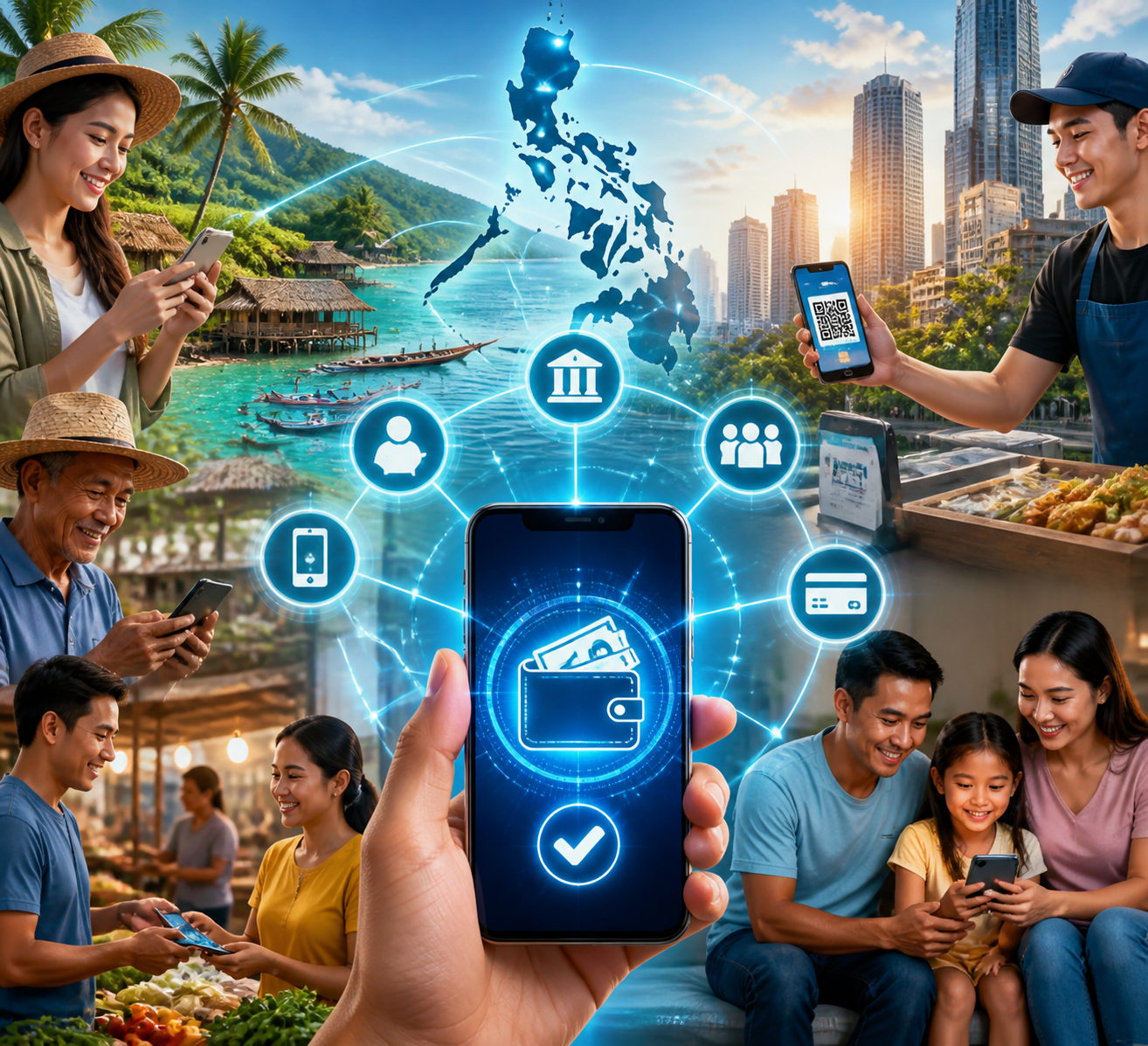

The Philippines is witnessing a significant transformation in the way its citizens conduct financial transactions, with digital payment systems playing a central role in this shift. As mobile phone penetration and internet connectivity continue to increase, digital payments are becoming more widely adopted, offering Filipinos a convenient and secure way to manage their finances. The rise of digital payments is particularly important for those who have been excluded from traditional banking systems, as it provides a new avenue for accessing financial services.
The Philippine government, through initiatives such as the National Payment Systems Act and the Digital Payment Transformation Roadmap, has made substantial strides in promoting cashless transactions. These efforts have led to the proliferation of digital payment platforms such as GCash, PayMaya, and a host of other mobile wallet services, which have become an integral part of everyday life for many Filipinos.
Before the advent of digital payments, millions of Filipinos had limited access to financial services. This exclusion was largely due to a lack of physical bank branches, particularly in rural areas, and the complexity of traditional banking procedures. Digital payment platforms, however, have bridged this gap by offering services that can be accessed from mobile devices. As a result, more people, including those living in remote areas, are now able to send money, pay bills, and even access credit, all through their smartphones.
Digital payments have also had a positive impact on small businesses in the Philippines. By adopting mobile payment systems, entrepreneurs and vendors can offer customers a more secure and convenient way to pay for goods and services. This shift has not only increased sales for small businesses but has also provided them with the tools to better manage their finances, offering a path toward greater economic empowerment.
The COVID-19 pandemic further accelerated the adoption of digital payment systems in the Philippines. With physical distancing measures in place, many Filipinos turned to online payment platforms to continue with their daily transactions. The increased reliance on digital payments during the pandemic highlighted their potential to enhance financial inclusion, and the trend is likely to continue even after the crisis subsides.
As digital payment systems continue to evolve, financial literacy initiatives will be key to ensuring that all Filipinos can safely and effectively navigate the digital financial landscape. Increased awareness of digital tools will empower more people to take advantage of the benefits that digital payments offer, further promoting economic inclusion across the country.