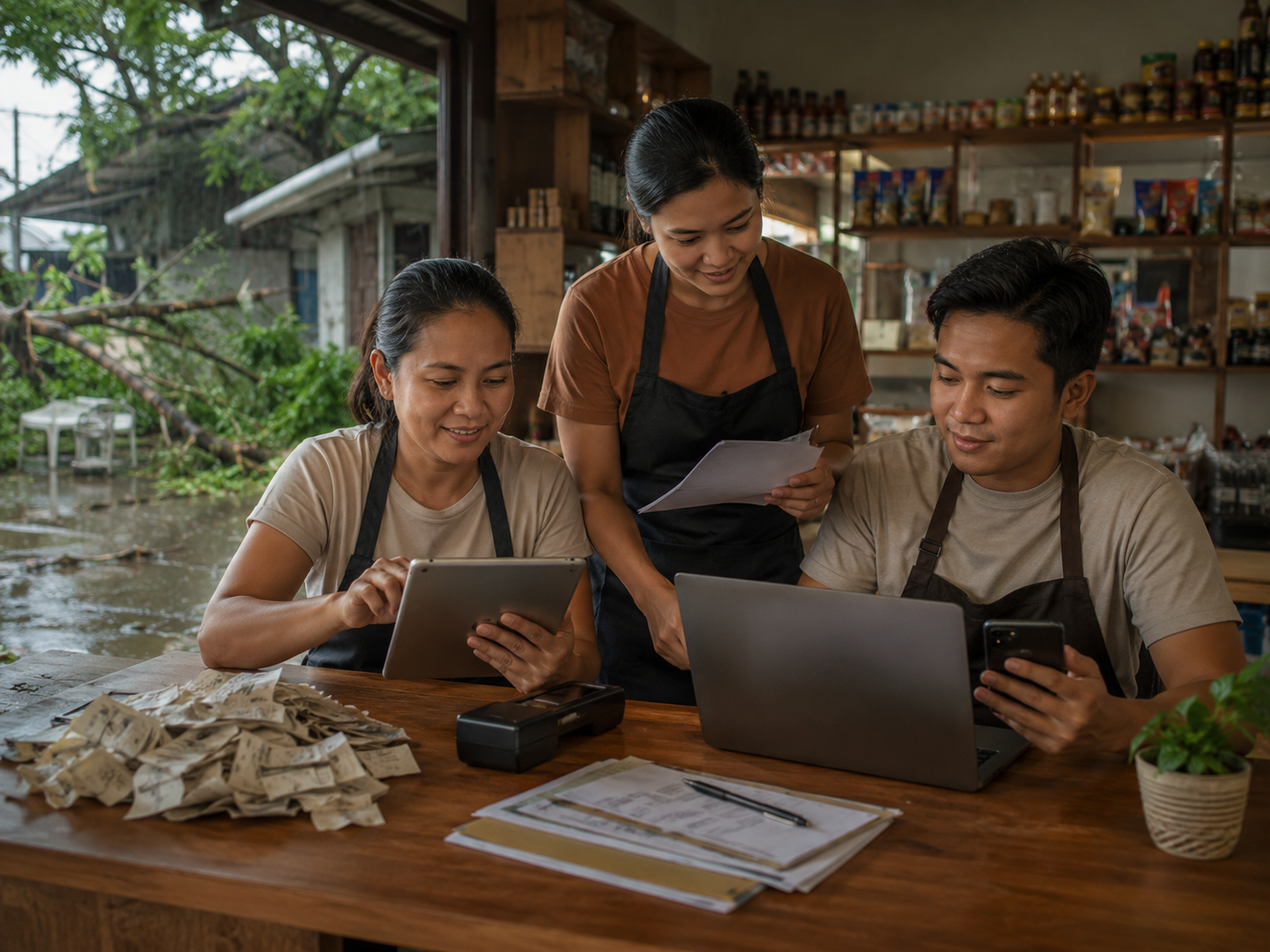

The Philippine economy is home to a dynamic and diverse group of small and medium enterprises (SMEs) that have contributed significantly to employment and economic development. With the integration of technology into their operations, these businesses are unlocking new growth opportunities, enhancing productivity, and overcoming traditional challenges. From digital marketing to cloud computing, technology has played a key role in reshaping the SME landscape in the Philippines.
One of the most transformative technological tools available to SMEs in the Philippines is the internet. The proliferation of affordable mobile phones and improved internet infrastructure has enabled SMEs to access a wide range of online tools and platforms that were previously out of reach. Through e-commerce platforms, small business owners are able to expand their market base, offering their products or services to customers across the country and even globally. Online selling platforms such as Lazada and Shopee, as well as social media channels like Facebook, Instagram, and TikTok, allow SMEs to market their products effectively at a fraction of the cost compared to traditional advertising methods.
Cloud technology is another major innovation that has significantly impacted the operations of SMEs in the Philippines. With cloud computing, businesses are able to store and access data remotely, ensuring better organization, reduced costs, and greater operational efficiency. The availability of cloud-based software for accounting, inventory management, and customer relationship management (CRM) has made it easier for small businesses to handle their administrative tasks with minimal resources. These digital tools reduce the need for costly physical infrastructure, empowering SMEs to compete with larger corporations without the same level of financial investment.
In addition to cloud-based solutions, mobile payment technologies have become essential for SMEs in the Philippines. Digital payment systems like PayMaya, GCash, and credit/debit card processing services enable businesses to conduct transactions quickly and securely. As more consumers shift towards cashless payments, especially in urban areas, SMEs that offer these convenient payment methods are more likely to retain customers and improve cash flow.
Social media marketing has emerged as a cost-effective tool for SMEs looking to engage with their target audience. With billions of active users on platforms like Facebook and Instagram, small businesses can create a direct line of communication with potential customers. Social media advertising also offers advanced targeting options, enabling businesses to reach specific demographics with precision. For many SMEs, this level of marketing customization would have been impossible without technology.
Furthermore, the Philippine government has been proactive in encouraging digital transformation among SMEs. Various programs, such as the “Go Negosyo” initiative and the “SME Roving Academy,” offer training and resources for small business owners to improve their technological skills. These government-backed initiatives help bridge the digital divide and enable SMEs to adopt the tools necessary for success in a digital economy.
Although the adoption of technology has opened new doors for many Filipino SMEs, there are still challenges to overcome. One of the biggest hurdles is the digital divide, with rural and remote areas often lacking sufficient internet connectivity. Moreover, there are still many small business owners who struggle with a lack of technical knowledge or face resistance to adopting new technologies. However, as more affordable solutions become available and digital literacy improves, it is expected that more SMEs will embrace technological advancements.
Technology has undoubtedly been a game-changer for SMEs in the Philippines. From increased market reach and improved operational efficiency to enhanced customer engagement, digital tools are enabling these businesses to grow and thrive. With continued government support and the expansion of digital infrastructure, SMEs in the Philippines are well-positioned to continue their transformation and contribute to the country’s economic prosperity.