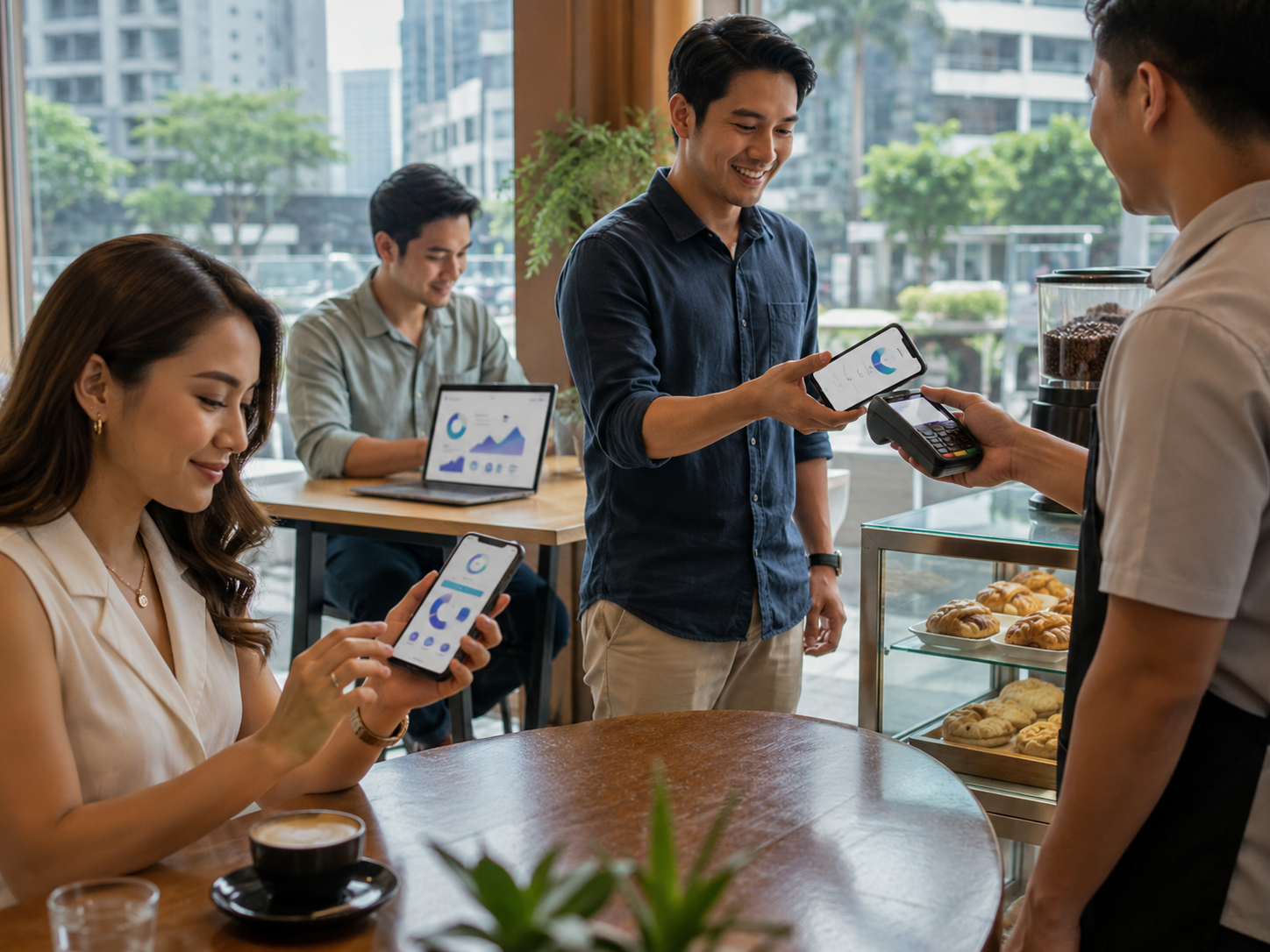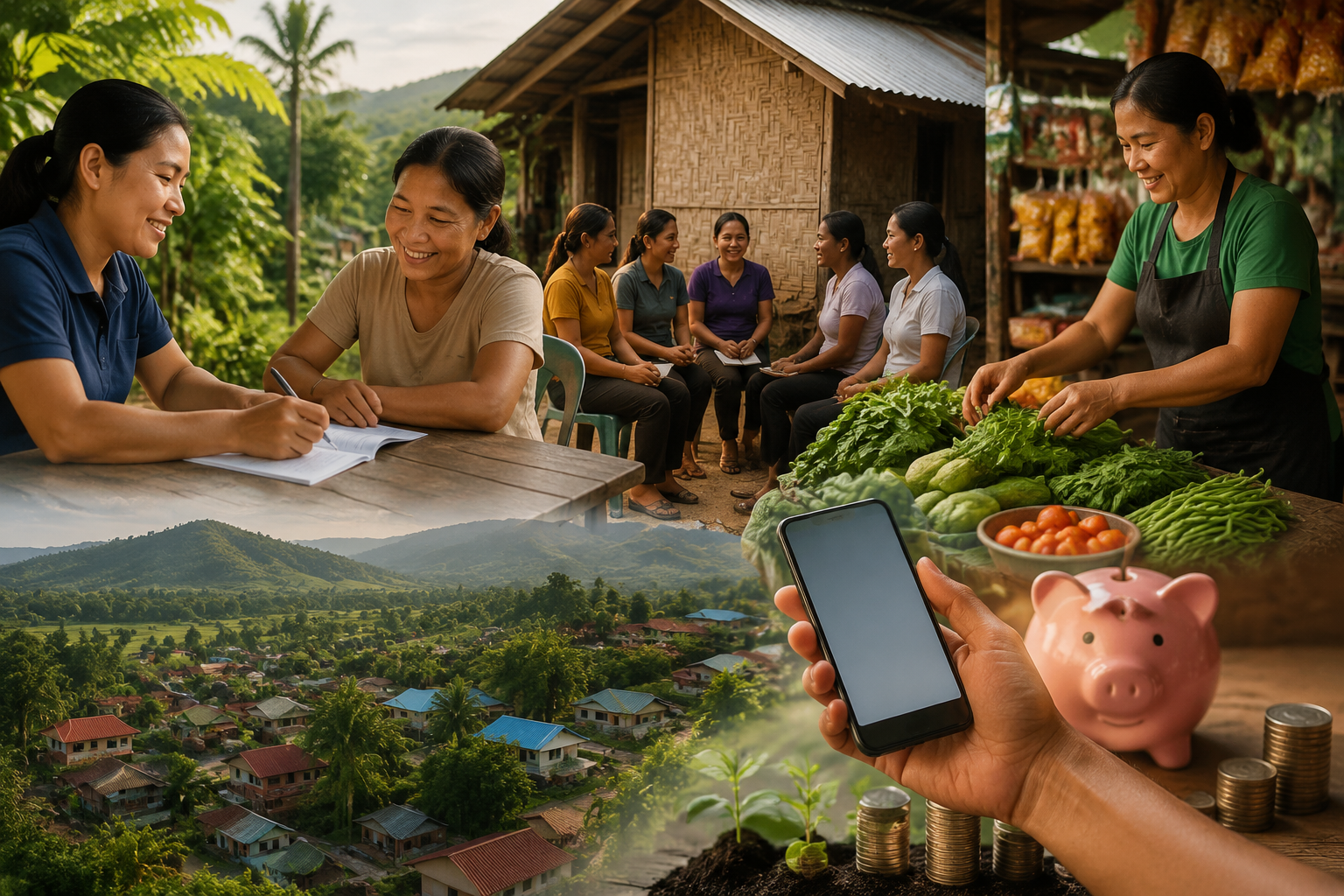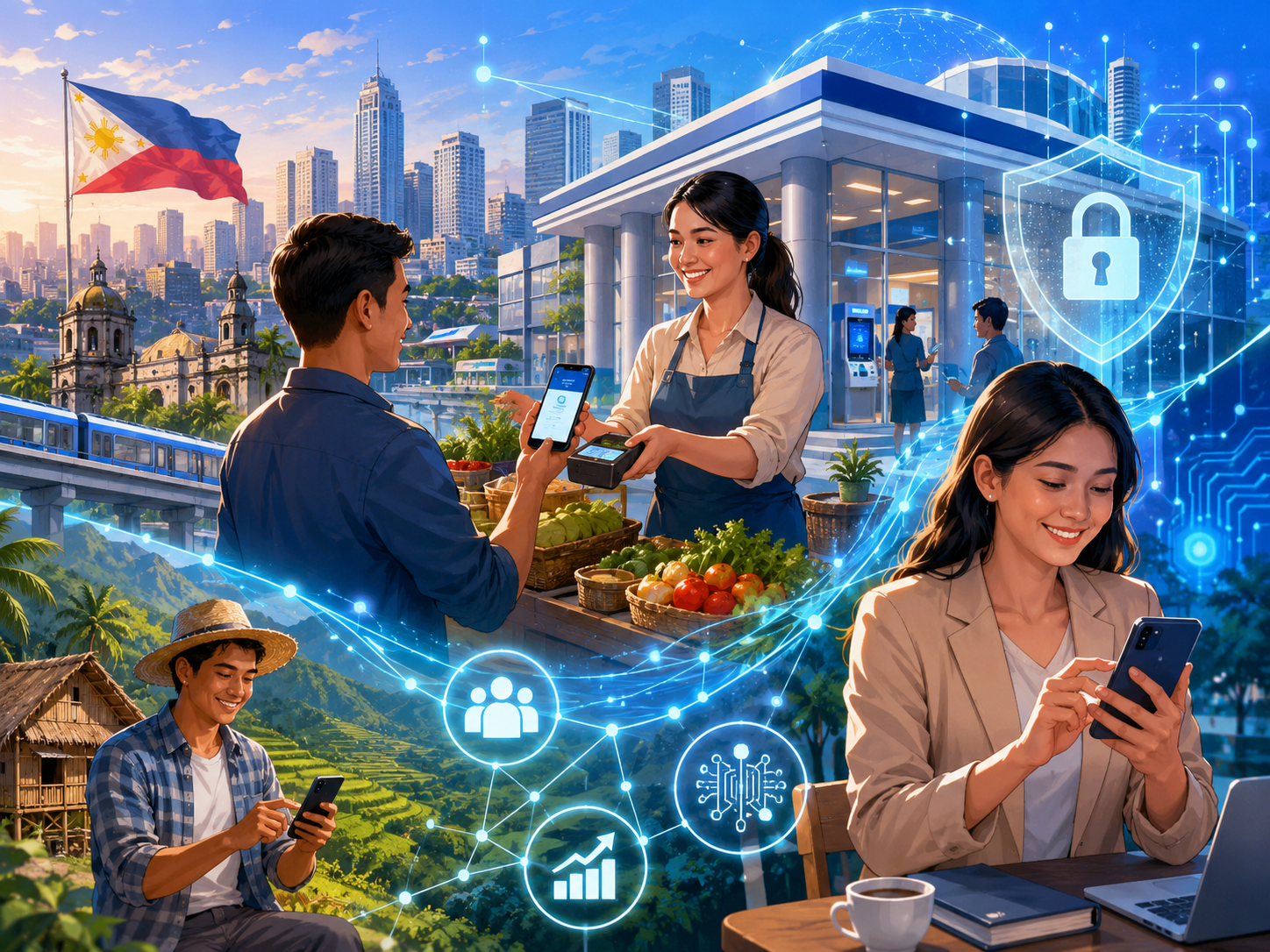
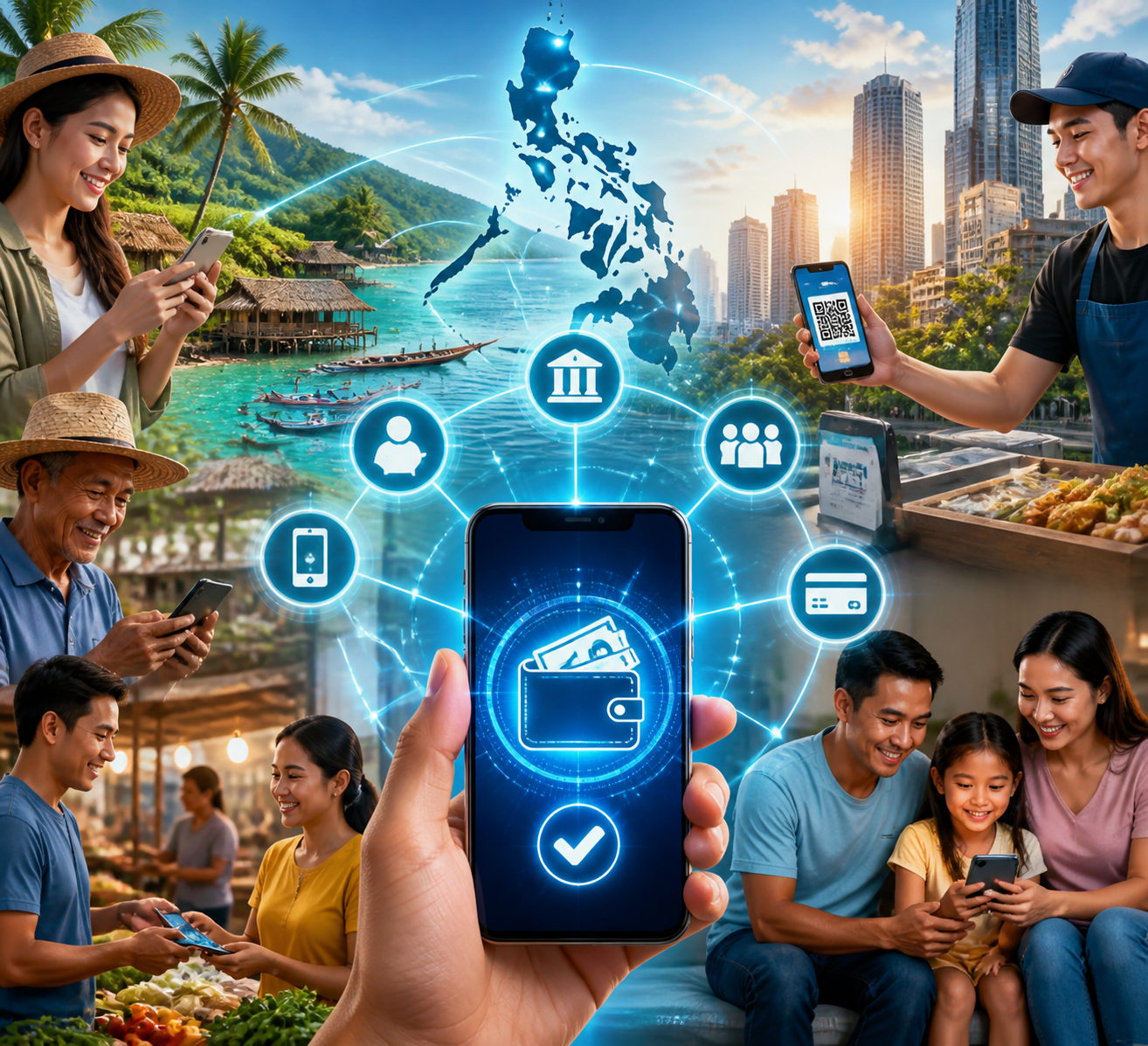
The digital payment landscape in the Philippines has evolved dramatically in recent years, reshaping how Filipinos access and utilize financial services. This transformation is driven by technological innovations, government policies, and a rapidly expanding digital ecosystem that has led to broader financial inclusion for the Filipino population.
One of the key drivers of this shift is the widespread adoption of mobile phones and internet connectivity, which has facilitated the use of mobile wallets and digital payment platforms. Services like GCash, PayMaya, and Coins.ph are making financial services more accessible than ever, particularly in rural and remote areas where traditional banking infrastructure is limited or nonexistent. These platforms have gained popularity due to their convenience, affordability, and ease of use, empowering Filipinos to manage their finances without needing a traditional bank account.
The government’s efforts to promote financial inclusion are also crucial in driving the expansion of digital payments. The Bangko Sentral ng Pilipinas (BSP) has implemented policies aimed at increasing the number of financially included individuals, with the goal of having 70% of Filipino adults included in the formal financial system by 2023. To achieve this, the BSP has supported the growth of mobile banking, online payment solutions, and partnerships between banks and fintech companies.
Digital payments also play a significant role in facilitating faster and more secure remittance transfers. As a country with a high number of overseas Filipino workers (OFWs), remittances are vital to the Philippine economy. With the rise of digital payment systems, it is now easier for OFWs to send money home, and for recipients in the Philippines to access these funds through their mobile wallets. This has made remittances faster, cheaper, and more reliable.
During the COVID-19 pandemic, digital payment adoption surged as people sought safer ways to conduct transactions. Social distancing measures and lockdowns led to a massive shift toward cashless transactions, and businesses of all sizes were quick to implement digital payment systems. This shift helped businesses continue operations and maintain cash flow, even in the face of restrictions.
Digital payments are also creating a more transparent economy. As transactions move from cash to digital platforms, tracking becomes easier, allowing the government to improve tax collection and reduce corruption. This shift is particularly important in the Philippines, where the informal economy is large, and the move to formalize these sectors is a key component of national growth strategies.
The adoption of digital payments is helping build a more inclusive financial ecosystem in the Philippines, one that is more accessible, efficient, and secure. As technology continues to advance, the country is well-positioned to continue its progress toward financial inclusion, benefiting millions of Filipinos across the nation.