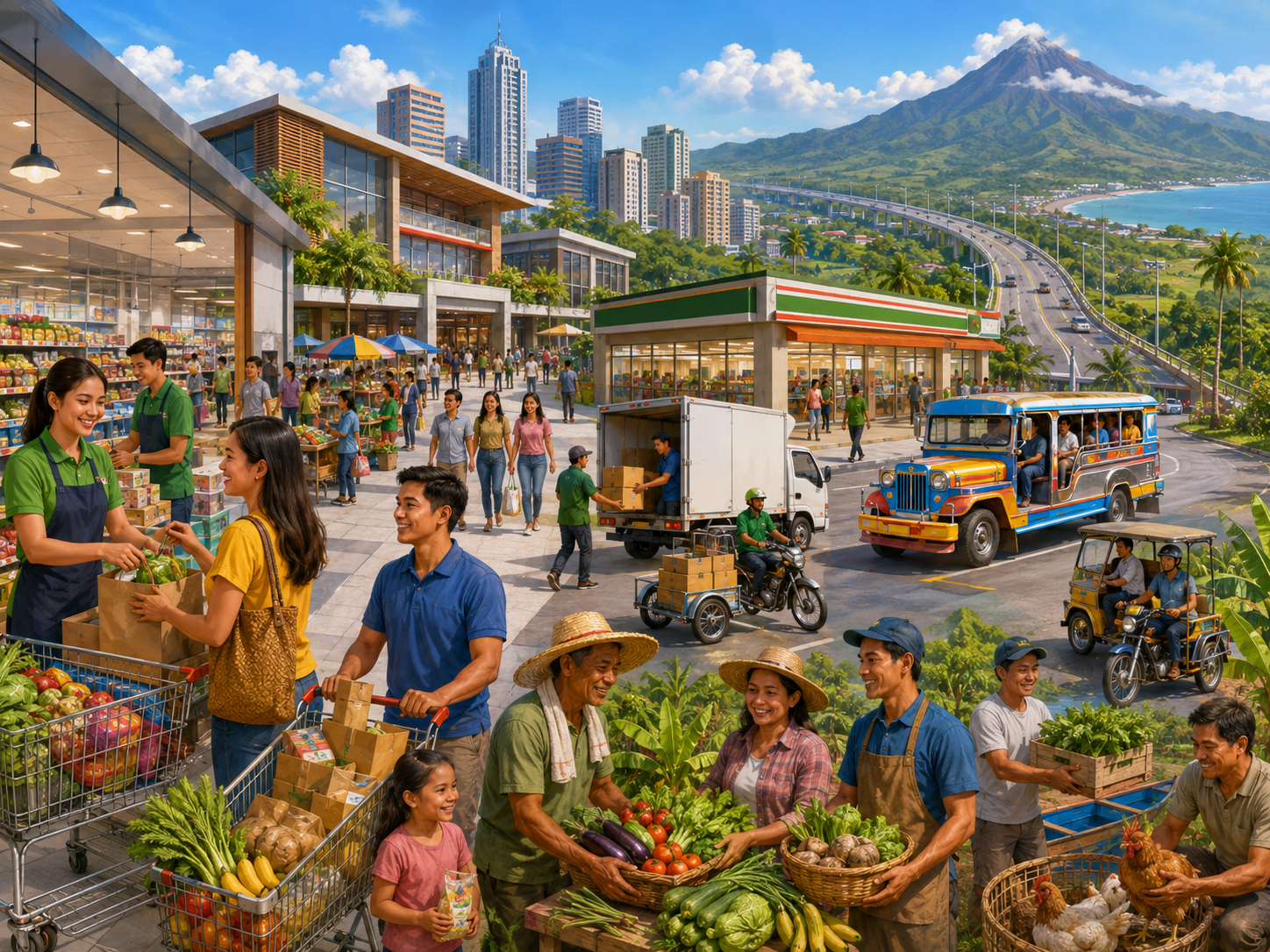
Retail chains are transforming the economic landscape in the Philippines, impacting everything from employment to infrastructure development. These enterprises, including supermarket giants, convenience stores, and specialty retailers, provide more than just goods—they play a key role in fostering local economic growth and development.
Job creation is among the most visible contributions of retail chains. Large companies employ tens of thousands of Filipinos in a variety of roles, ranging from frontline sales associates to managerial and logistics positions. Regular wages, training opportunities, and career advancement provided by retail employers improve the financial stability and skillsets of local workers, thereby enhancing the overall labor market. For many communities, a retail outlet becomes a primary source of formal employment, supporting families and local economies.
Retail chains also facilitate linkages with local producers. Many stores source their merchandise, including agricultural and manufactured products, from domestic suppliers. This arrangement ensures a steady revenue stream for small and medium enterprises (SMEs) and encourages investment in local production capacity. By providing access to larger distribution channels, retail companies help local producers reach wider audiences, increasing profitability and stimulating entrepreneurship.
Infrastructure development often accompanies the growth of retail enterprises. New malls and retail complexes necessitate improvements in transportation, utilities, and logistics. These infrastructure enhancements not only benefit the retail operations themselves but also improve accessibility for surrounding businesses and residents. Over time, such developments can transform neighborhoods, attract complementary businesses, and increase overall economic activity.
Consumer trends also shift as retail chains expand. The availability of diverse products, competitive pricing, and modern shopping experiences influence spending habits and encourage more organized retail commerce. Digital payment options, loyalty programs, and promotional strategies introduced by these companies increase transactional efficiency and promote consumer confidence, which in turn circulates more money within local economies.
Nonetheless, the rise of retail chains can pose challenges to smaller, independent retailers. Intense competition may lead to the closure of local shops, affecting community diversity and economic resilience. Policymakers have increasingly emphasized the importance of partnerships between large retailers and small suppliers, ensuring that small businesses remain integrated into the larger economic system while benefiting from the opportunities created by retail expansion.
In essence, retail chains are critical players in the Philippine economy. They create employment, support local suppliers, drive infrastructure development, and influence consumer spending. While competition poses challenges for small businesses, the overall effect of retail on local economic growth and community development remains overwhelmingly positive.