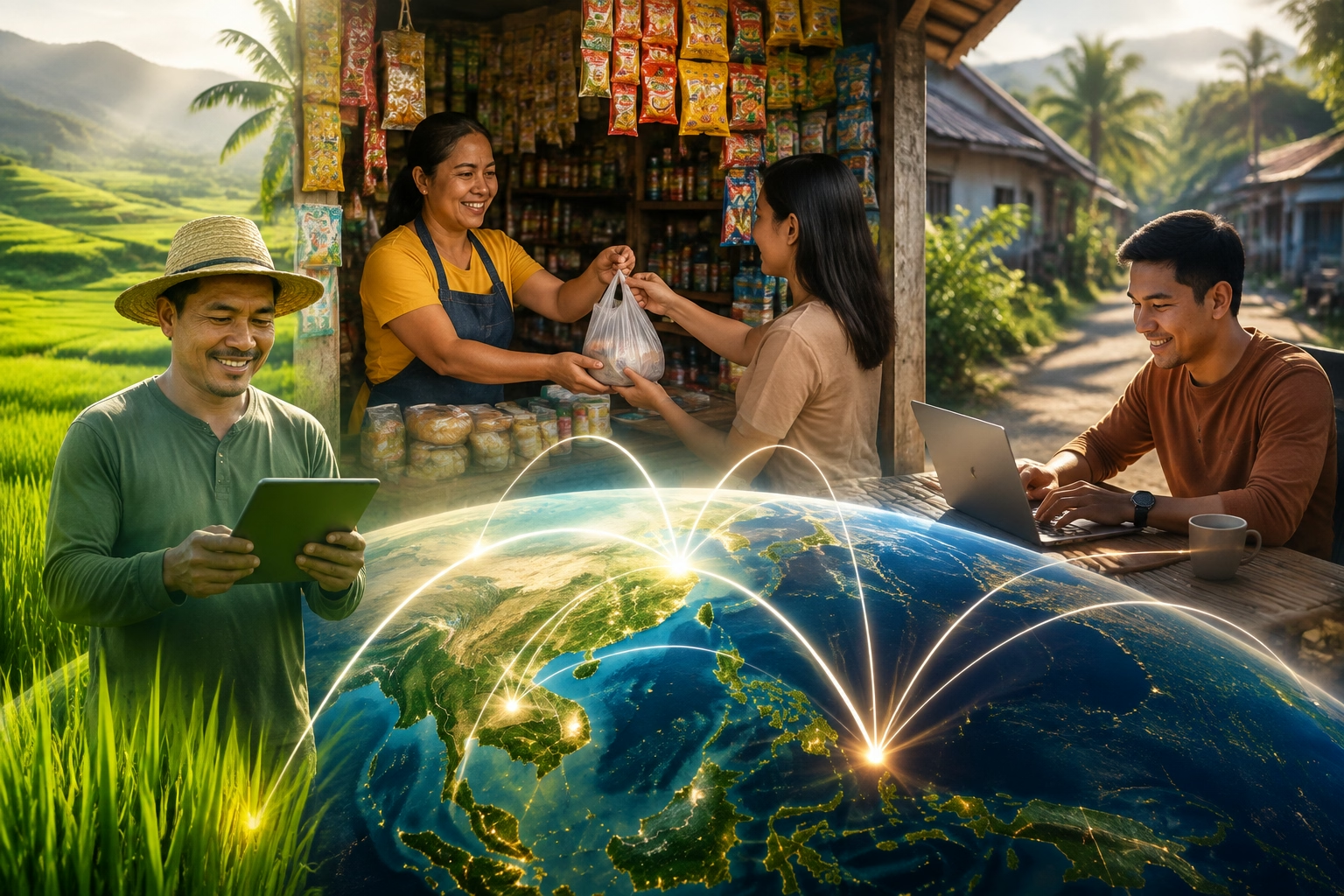
For decades, smallholder farmers and coastal fishing families in the Philippines were almost invisible to the formal financial system. In 2026, that is changing. The Bangko Sentral ng Pilipinas’ Financial Inclusion Dashboard reports that formal account ownership has reached 68 percent among Filipino adults, a sharp jump from the 29 percent recorded in 2019. The gains are increasingly visible in agricultural and fishing communities that previously depended on informal lenders or cash kept at home.
The Financial Isolation of Rural Producers
Farmers in Isabela, rice growers in Nueva Ecija, and fishers in Guimaras face unpredictable incomes, seasonal harvests, and weather-related shocks. Without credit histories or collateral, they rarely qualify for bank loans. Many turn to traders who advance cash at steep interest or require exclusive rights to their harvest. Savings are often held in physical form, vulnerable to typhoons, pests, and theft. This exclusion limits their ability to invest in better seeds, boats, or storage facilities and keeps incomes low.
Digital Tools Reshape Agri-Finance
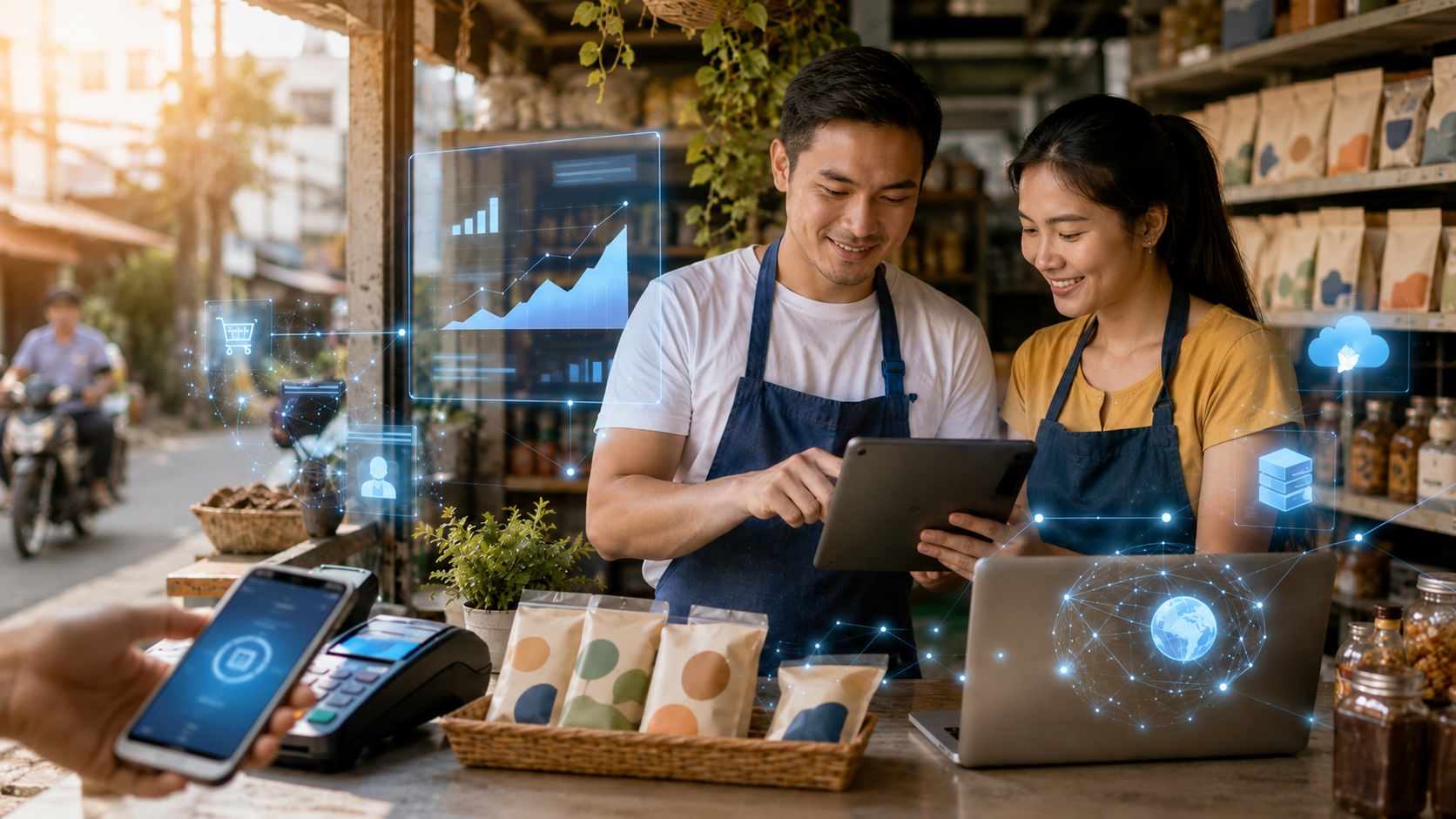
The spread of mobile wallets, agent banking, and satellite connectivity is rewriting the rules for rural producers. Cooperatives and agricultural supply chains now use digital payments to settle purchases directly to farmers’ e-wallets. Fishers use QR codes to sell their catch at landing sites, with payments arriving instantly. Microfinance institutions partner with fintechs to offer nano-loans based on digital cash flow, while microinsurance products protect crops and fishing gear against typhoons. The result is a more transparent and efficient value chain.
Government Programs Accelerate Inclusion
The Department of Agriculture and BSP have pushed for digital disbursement of subsidies, fertilizer vouchers, and fuel discounts. The 4Ps conditional cash transfer program, now fully digital, brings millions of low-income rural households into the banking system. PhilSys national IDs enable farmers to open accounts without cumbersome paperwork. Public markets enrolled in Paleng-QR Ph Plus train vendors and customers to use QR Ph, creating local digital payment ecosystems. These initiatives reduce transaction costs and build formal financial footprints.
The Case of Seaweed Farmers in Tawi-Tawi
In Tawi-Tawi, seaweed farmers have historically sold to middlemen at below-market prices because they had no access to price information or financial services. With smartphones and digital wallets, some cooperatives now pay farmers directly after harvest and provide microcredit for drying racks and seedlings. The farmers can compare prices online and choose buyers, strengthening their bargaining power. This shift from cash to digital has also made their income traceable, unlocking further credit and insurance.
Barriers and Opportunities for 2026
Connectivity remains uneven in remote coastal and upland areas, and many older farmers are not yet comfortable with smartphones. Digital financial services must be offered in local languages and designed for low-literacy users. Consumer protection and data privacy are also critical as more rural users enter the digital economy. Nonetheless, the 2026 data suggest that the combination of digital payments, agent networks, and targeted government programs is beginning to close a gap that once seemed impossible to bridge.