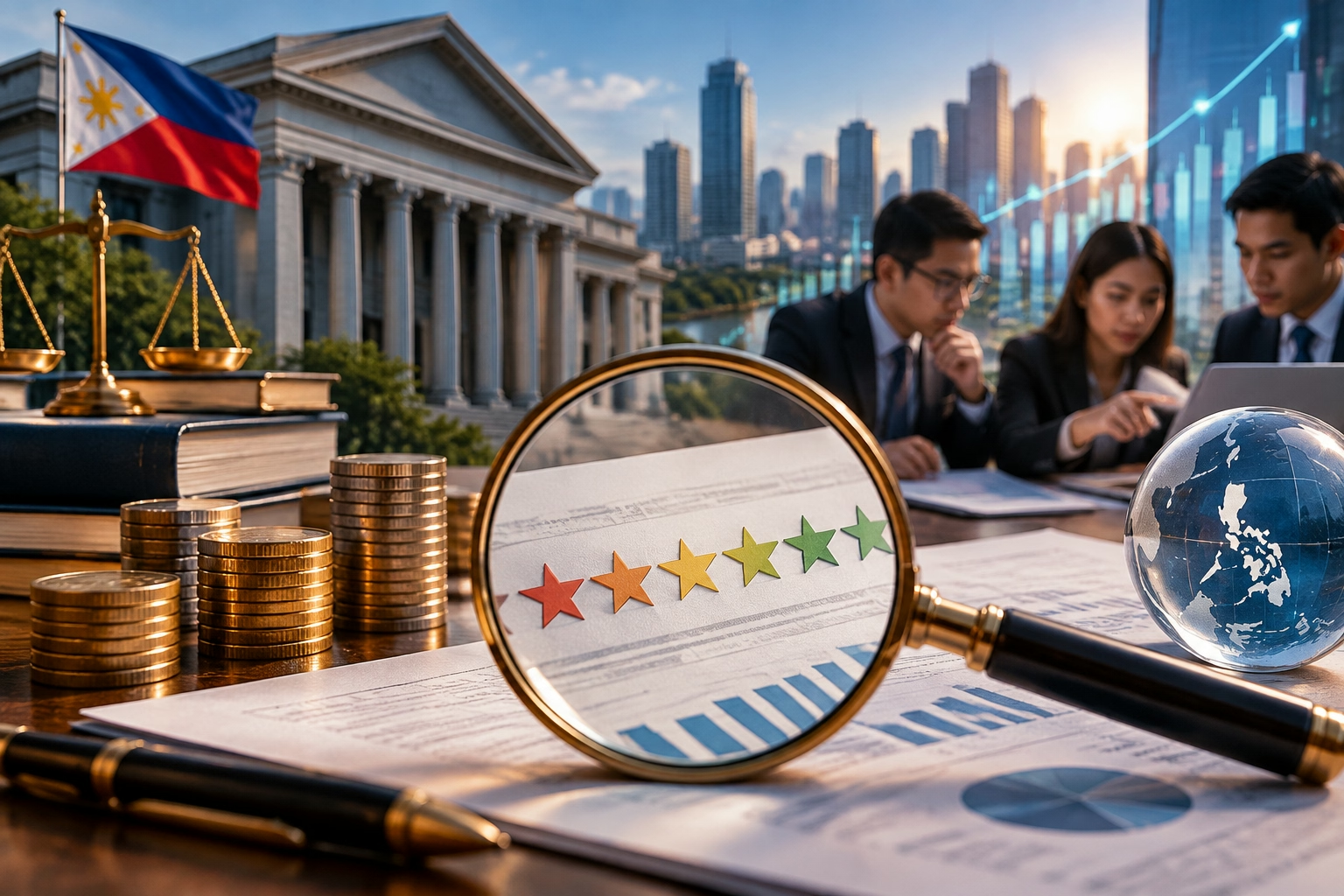

Trust is the main currency in the financial industry. For years, the biggest doubt investors had about Peer-to-Peer Lending in the Philippines was the platform’s inability to accurately assess borrower creditworthiness. However, the technological revolution in 2026 has drastically changed this landscape. The integration of Artificial Intelligence (AI), Machine Learning, and alternative data analytics has created a risk assessment system far more sophisticated than traditional bank methods.
Alternative Data-Based Credit Scoring
The majority of the Philippine population remains unbanked or underbanked, meaning they lack conventional credit history at credit bureaus like CIBI or TransUnion. This is where modern P2P platforms excel. Instead of relying solely on payslips, platforms now analyze e-wallet transaction data (such as GCash or Maya), utility payment history, and even social media activity to build risk profiles. This approach has proven to lower the Non-Performing Loan (NPL) rate in the digital sector. Leveraging data from the 2026 Philippines Digital Economy Report, the accuracy of default prediction has increased by up to 40% thanks to the adoption of this technology.
The Role of Blockchain and Transparency
Several new platforms in Manila have begun piloting blockchain technology to record transactions. This technology makes loan data immutable, minimizing the risk of data manipulation by rogue platforms. For investors, this means a cleaner audit trail. You can see in real-time where your funds flow. This is a huge leap from the old era when financial reports were often opaque.
Cybersecurity Challenges
Although data analytics technology is getting smarter, cybercrime threats are also increasing. P2P platforms are highly valuable repositories of personal data. Investors must ensure their chosen platform complies with the Data Privacy Act of 2012 and holds ISO 27001 security certification. Global data breach cases in the fintech sector serve as a reminder that digital investment requires double vigilance. In 2026, successful investors are those who not only read financial statements but also understand the technological architecture behind the scenes.