
In the Philippines, Micro, Small, and Medium Enterprises (MSMEs) form the foundation of the economy, significantly contributing to both employment and economic development. Representing nearly all registered businesses in the country, MSMEs play a critical role in fostering innovation, providing jobs, and promoting social stability. However, despite their importance, these businesses face numerous challenges that can impede their growth. This article will explore both the challenges MSMEs encounter and the opportunities that lie ahead for them in the Philippine economy.
The Economic Significance of MSMEs in the Philippines
MSMEs are undeniably the cornerstone of the Philippine economy. Comprising more than 99% of the total businesses in the country, they are crucial to job creation and poverty reduction. In fact, MSMEs are responsible for employing around 63% of the country’s workforce. These businesses, ranging from micro enterprises with only a handful of employees to medium-sized enterprises with hundreds of staff, operate across diverse sectors such as retail, agriculture, manufacturing, and services.
In addition to providing widespread employment, MSMEs are often the driving force behind innovation and community development. They provide essential goods and services, especially in rural and underserved areas, contributing to regional economic stability.
Major Challenges Faced by MSMEs
Despite their essential role in the economy, MSMEs in the Philippines face several challenges that limit their ability to scale and expand. One of the most pressing issues is limited access to financing. Most small businesses in the Philippines struggle to obtain loans from traditional financial institutions due to high collateral requirements, strict lending conditions, and the perceived risk involved in lending to small-scale enterprises. This lack of access to capital often prevents MSMEs from making essential investments in technology, workforce development, and infrastructure, limiting their growth potential.
In addition, many MSMEs face issues related to bureaucratic inefficiencies and complicated regulatory processes. Long wait times for permits, difficult tax filing systems, and complex business registration requirements create unnecessary hurdles for small business owners. These challenges result in additional costs and can stifle the entrepreneurial spirit that is essential for business growth.
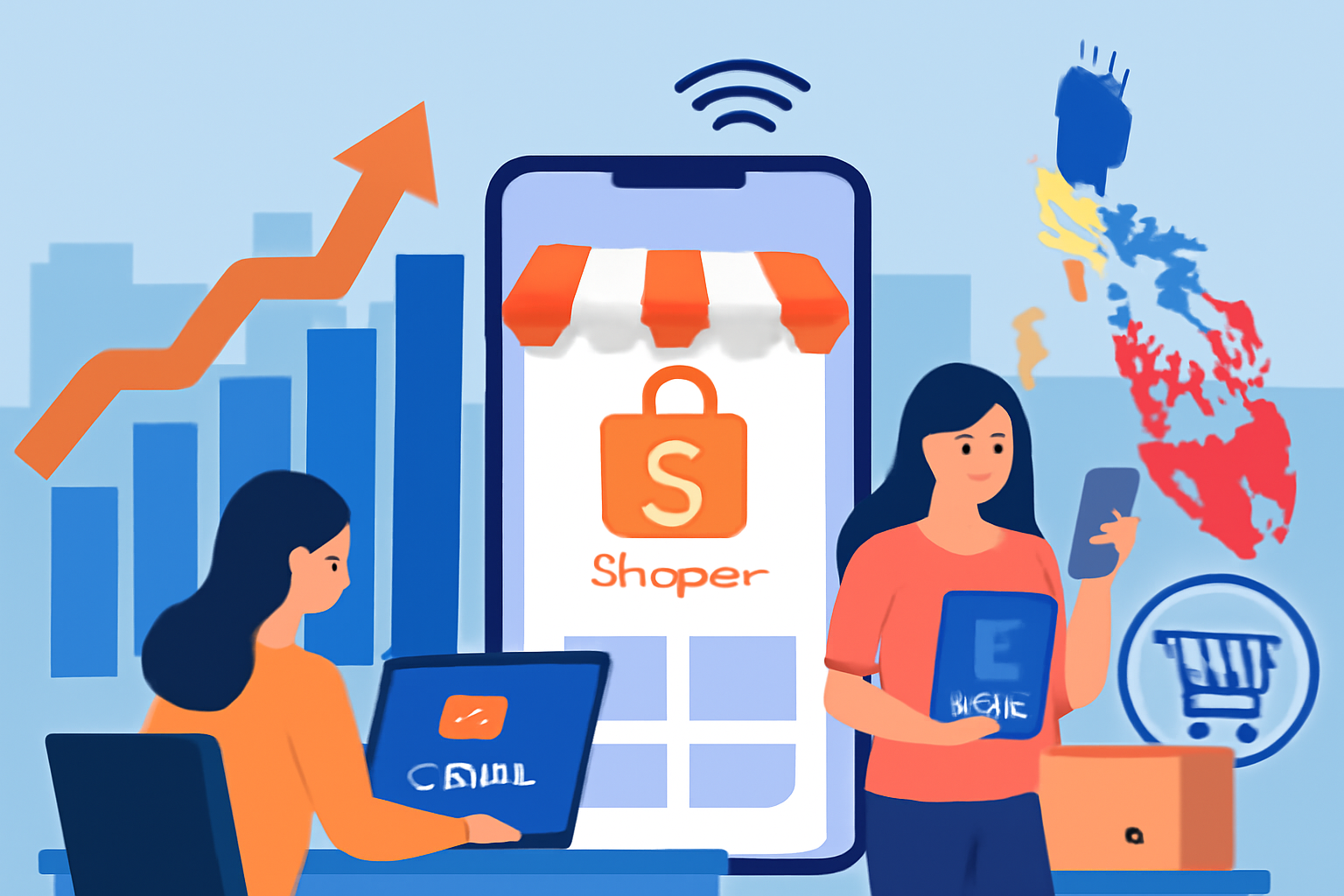
Another challenge is the lack of technological infrastructure and digital capabilities. In an increasingly digital world, MSMEs in the Philippines, particularly those in rural areas, often lack the necessary tools and skills to fully engage in e-commerce or digital marketing. This digital divide puts them at a disadvantage compared to businesses that are leveraging the power of online platforms to reach larger audiences and streamline operations.
Opportunities for Growth and Expansion
Despite the challenges, MSMEs in the Philippines also have a variety of opportunities to expand and thrive. One key area of opportunity is digital transformation. The rapid adoption of the internet and mobile technology in the country has opened up new avenues for small businesses to reach customers far beyond their immediate geographic areas. Through online marketplaces, social media platforms, and e-commerce solutions, MSMEs can tap into a larger customer base, expand their reach, and boost sales.
Moreover, the global trend toward sustainability offers MSMEs in the Philippines an opportunity to carve out a niche in the growing eco-conscious market. Consumers worldwide are increasingly prioritizing products that are ethically produced and environmentally friendly. Filipino MSMEs that focus on sustainable practices—such as using locally sourced materials, reducing waste, and prioritizing renewable energy—can differentiate themselves in the marketplace and attract a loyal customer base.
Government initiatives are another significant source of opportunity for MSMEs. The Philippine government has implemented various programs aimed at enhancing the competitiveness of small businesses, such as training programs, financial assistance, and tax incentives. Programs like the “Go Negosyo Act” aim to simplify the regulatory environment and provide MSMEs with the necessary tools and resources to grow. These initiatives, combined with the government’s push to improve ease of doing business, can help reduce the barriers that MSMEs face and create an enabling environment for their growth.
The Role of Partnerships and Collaboration
Collaborating with larger businesses, government agencies, or industry associations can also provide MSMEs with the support they need to grow. By forming partnerships, small businesses can access new markets, share resources, and benefit from economies of scale. In addition, joining business networks can provide MSMEs with valuable opportunities for knowledge exchange, mentorship, and capacity building.
Furthermore, MSMEs that engage in collaborative efforts with other businesses within their sector can unlock new business opportunities, improve supply chain efficiency, and reduce costs. Networking opportunities and peer support are invaluable for small businesses that may not have the resources to tackle challenges on their own.
MSMEs and Global Market Expansion
As the Philippines is part of various international trade agreements, such as the ASEAN Economic Community (AEC), MSMEs have access to larger regional markets. These agreements facilitate trade between member countries by reducing tariffs and barriers to entry. MSMEs can take advantage of these agreements to expand their businesses beyond the Philippines, accessing markets in neighboring ASEAN countries and beyond.
Additionally, as global supply chains continue to evolve, MSMEs can explore export opportunities, particularly in sectors such as agriculture, textiles, handicrafts, and technology. Through international partnerships, MSMEs can find new customers and diversify their revenue streams.
Looking to the Future
The path forward for MSMEs in the Philippines is filled with both challenges and opportunities. While access to financing, complex regulations, and technological limitations remain significant hurdles, the growth potential for small businesses is enormous. By embracing digital transformation, tapping into sustainable business practices, and taking advantage of government initiatives, MSMEs can thrive in the modern economy.
With continued focus on fostering an environment that encourages entrepreneurship, improving access to capital, and providing support for digital adoption, MSMEs in the Philippines will remain a key driver of the country’s economic growth and development.