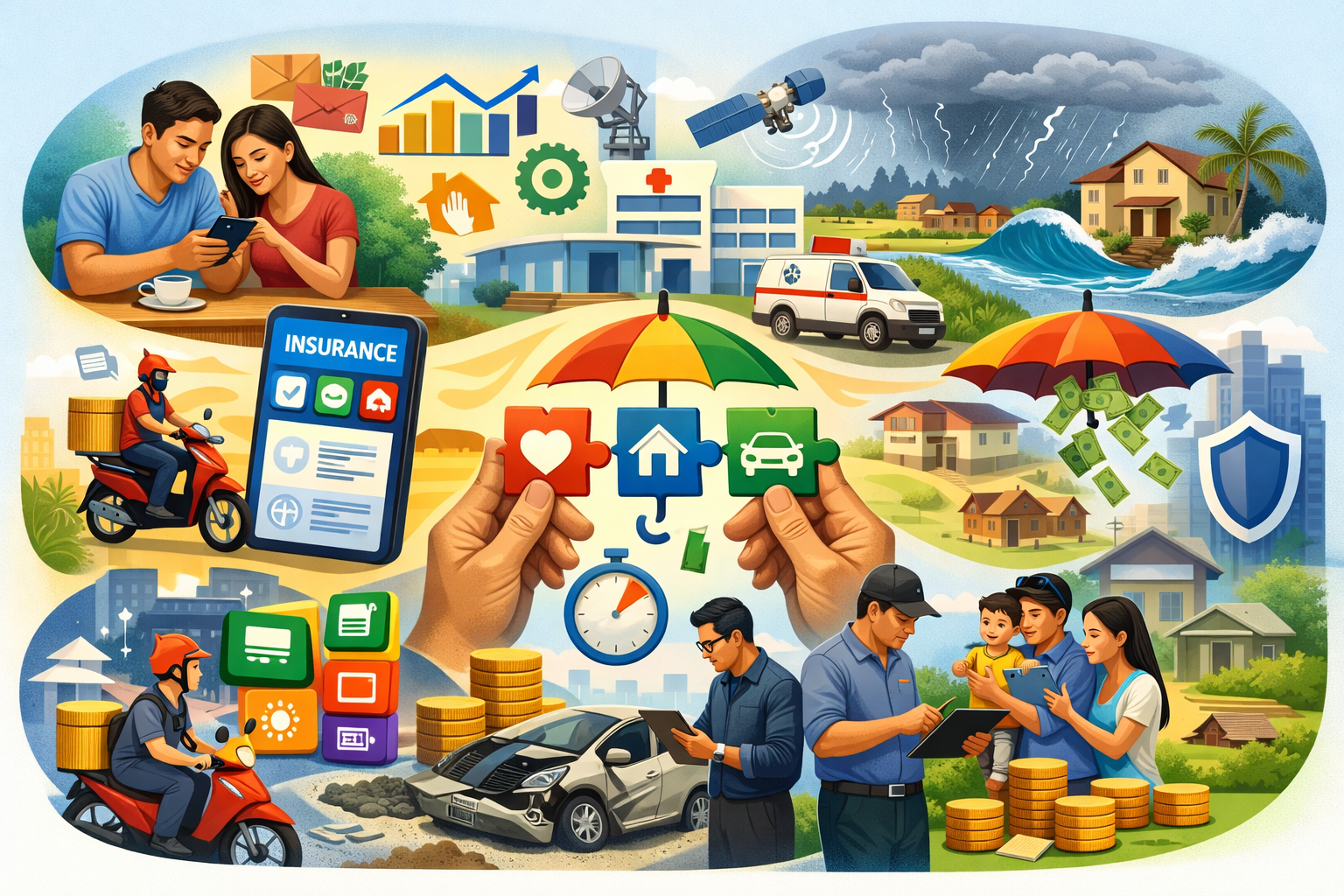
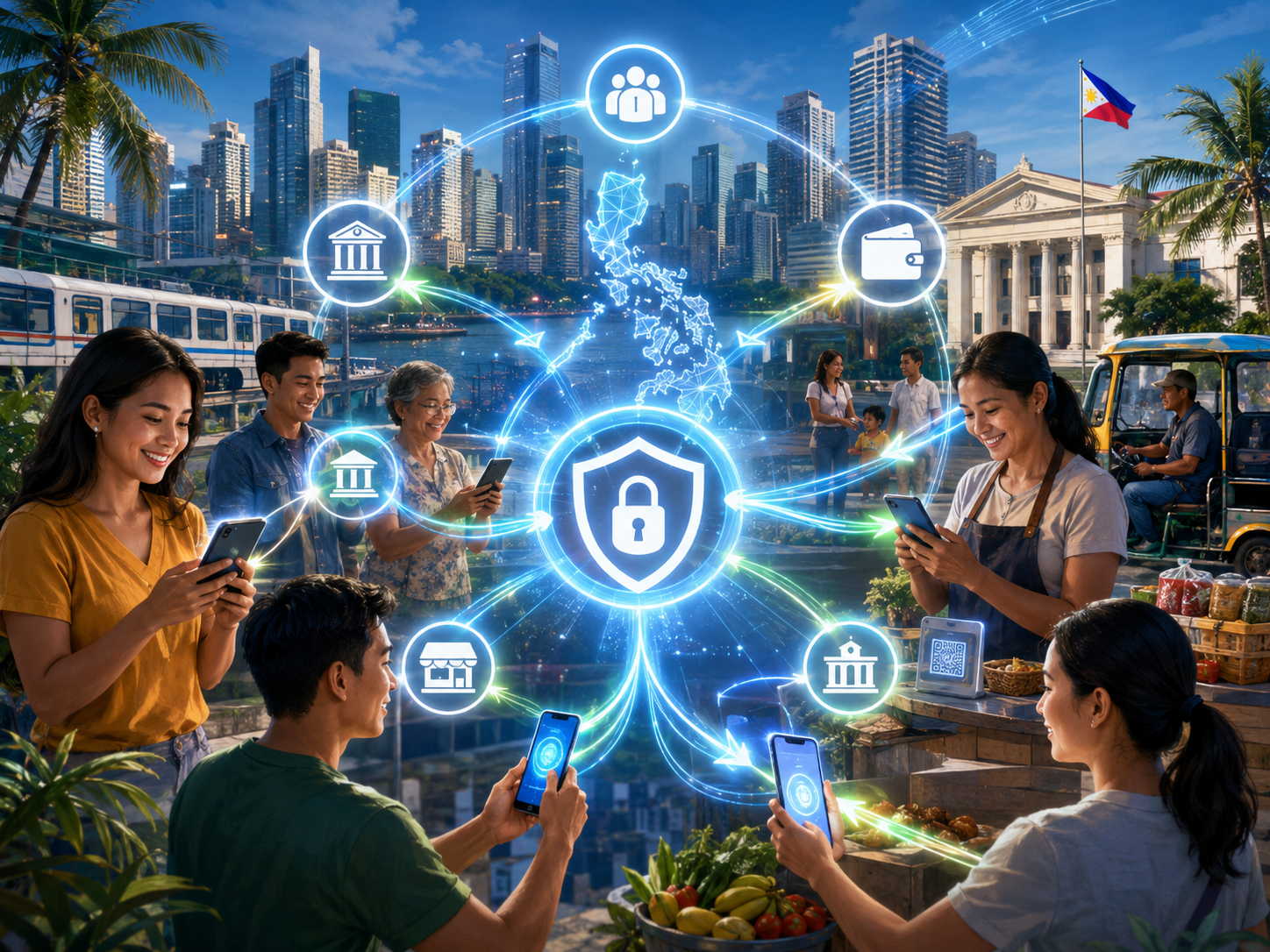
The financial sector in the Philippines has seen a significant shift toward digitalization, with real-time payment (RTP) systems at the core of this transformation. These systems allow funds to be transferred instantly between accounts, providing convenience and efficiency that traditional banking methods cannot match. This development has not only altered personal banking habits but also reshaped the operations of businesses and government institutions across the country.
Central to this evolution is the Bangko Sentral ng Pilipinas (BSP), which has championed the modernization of payment systems through the National Retail Payment System (NRPS). The NRPS provides the structural framework for real-time and low-value payment platforms such as InstaPay and high-value settlement systems like PhilPaSS+. Together, these initiatives promote faster, more secure financial transactions, supporting the Philippines’ move toward a cash-light society.
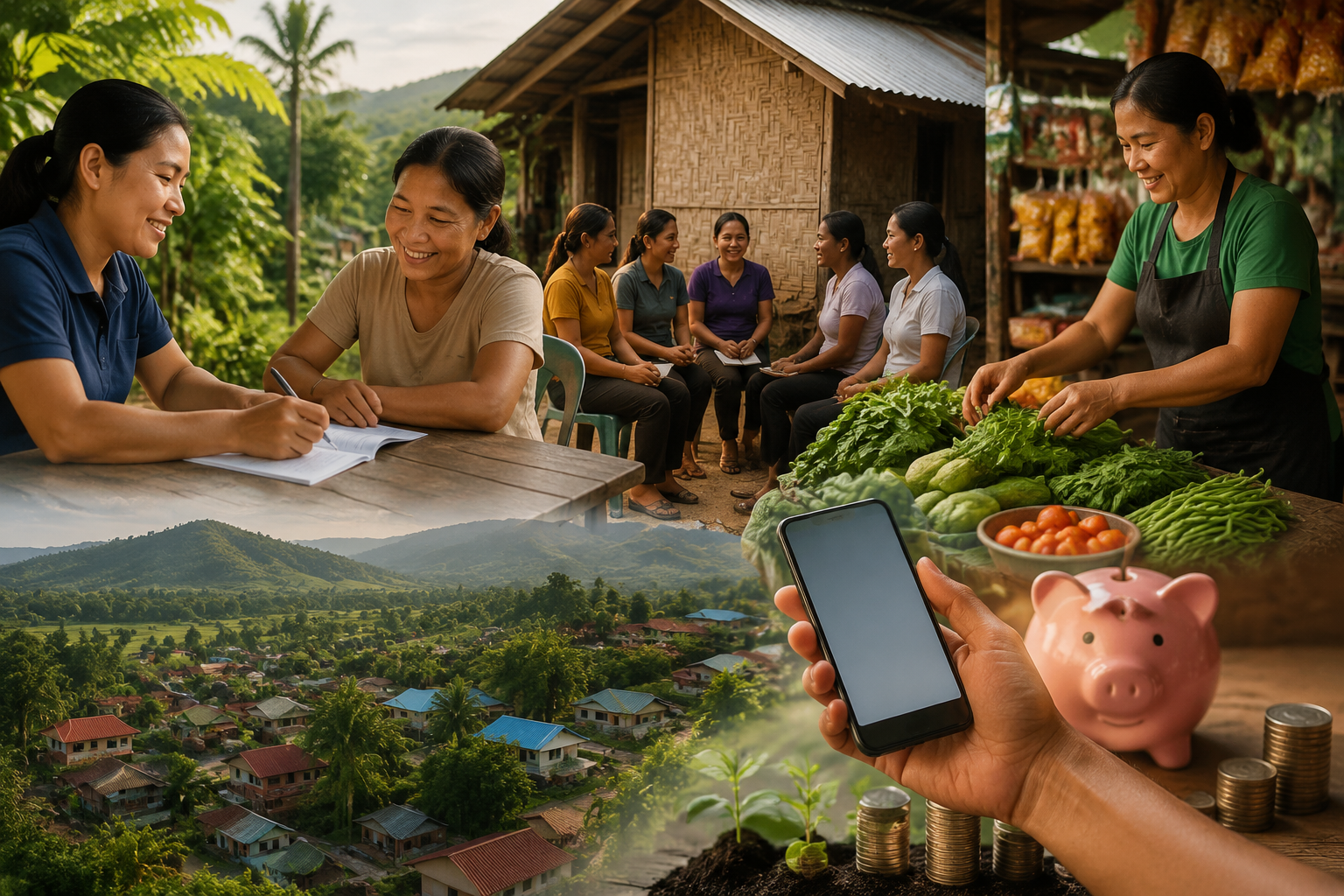
InstaPay has become the most widely adopted RTP platform in the Philippines due to its accessibility and ease of use. Transfers can be executed using phone numbers, email addresses, or bank account information, allowing users to send and receive funds without navigating complicated banking procedures. The platform’s integration with mobile wallets and online banking has also enabled financial inclusion for individuals in underserved and rural communities, where access to traditional banks may be limited.
Businesses, particularly SMEs, have greatly benefited from real-time payment systems. Payments to suppliers, employee salaries, and customer refunds can now be processed instantly, improving operational efficiency and reducing the risks associated with delayed payments. Furthermore, the transparent nature of RTP transactions supports regulatory compliance, helping organizations adhere to anti-money laundering standards while maintaining accurate records. Government agencies have also adopted these systems for distributing social welfare benefits and disaster relief funds, demonstrating the practical utility of RTP beyond commercial use.
Technological innovation has been a driving factor in ensuring secure and reliable transactions. Advanced encryption methods, multi-factor authentication, and real-time monitoring help protect against fraud and unauthorized access. The BSP and financial institutions continuously enhance these systems to maintain security standards in line with global best practices, which is crucial given the rapid adoption of digital financial services.
Despite rapid growth, challenges persist. Interoperability between banks and payment service providers is still a work in progress, while transaction ceilings and occasional service disruptions can limit usability. Nevertheless, the adoption of real-time payments continues to grow steadily, driven by increasing consumer confidence and a shift toward digital financial behavior.
Overall, the development of RTP systems in the Philippines illustrates a broader trend toward financial modernization and digital inclusion. By embracing technology and establishing clear regulatory frameworks, the country is steadily advancing toward a future where instant payments are integral to everyday life, offering speed, convenience, and security to individuals, businesses, and government institutions alike.