Small and medium-sized enterprises (SMEs) have emerged as influential actors in local infrastructure development in the Philippines. While often celebrated for their role in employment creation and economic diversification, SMEs also significantly affect the availability, quality, and efficiency of community infrastructure, particularly in regions underserved by large-scale development projects.
One of the most tangible ways SMEs impact infrastructure is by stimulating demand for local services and utilities. As SMEs grow, they require roads, telecommunications, power, and water systems that can support business operations. The need for these facilities often encourages local governments to improve public infrastructure. For example, a cluster of small manufacturing businesses may lead to road widening or maintenance projects, benefiting the surrounding neighborhood and enhancing overall connectivity.
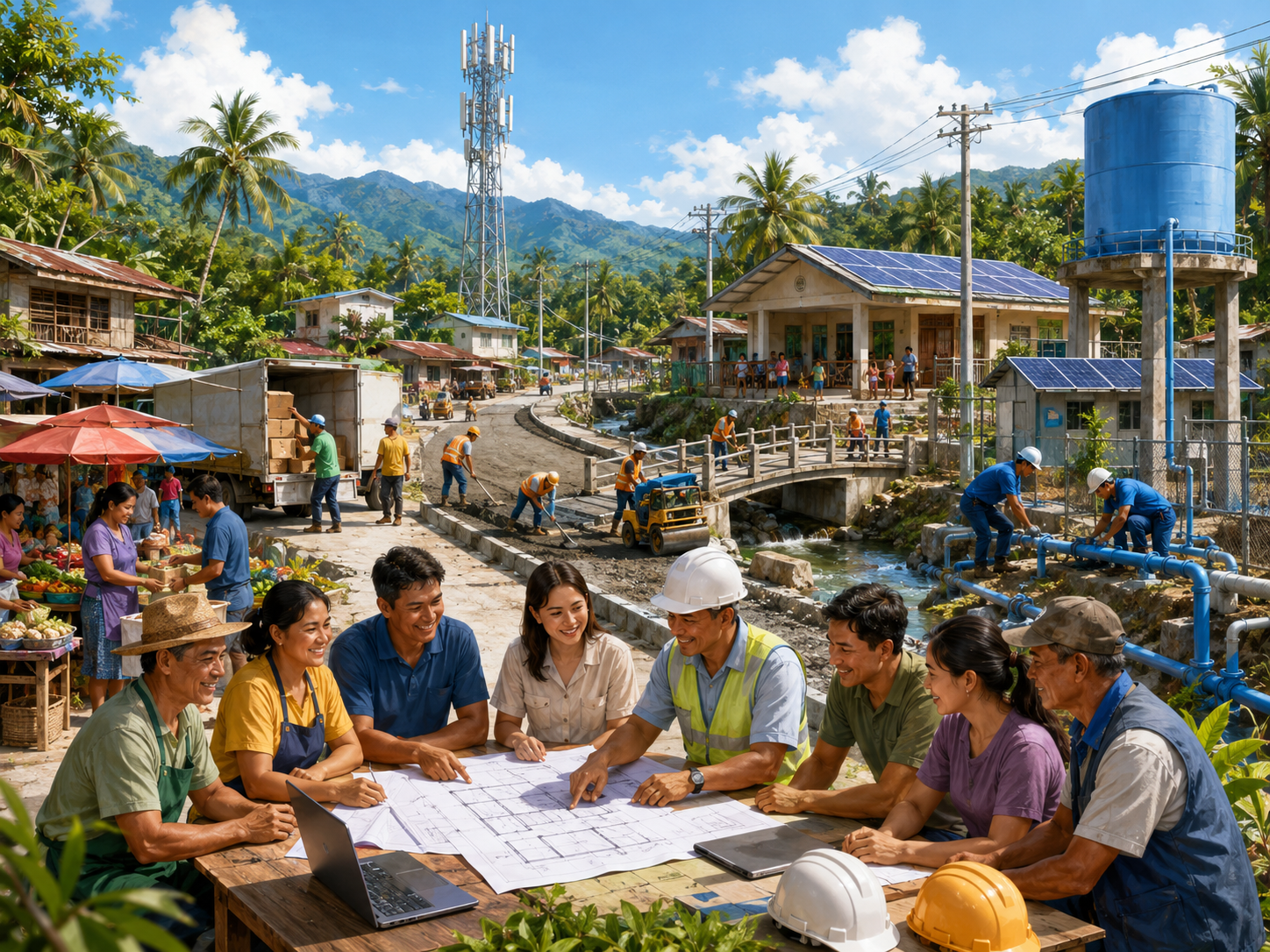
Beyond indirect influence, SMEs contribute through direct infrastructure initiatives. Many small businesses invest in facilities that not only serve their operations but also benefit local communities. These can include warehouses, production centers, or energy-efficient buildings that incorporate public access areas or shared amenities. In addition, SMEs frequently engage in collaborative projects with local councils or cooperatives, such as constructing marketplaces, local transport hubs, or water distribution systems, which strengthen community capacity and resilience.
Innovation is another area where SMEs impact infrastructure development. Unlike large enterprises, which may follow standardized solutions, SMEs often adopt creative and context-specific strategies. Examples include modular construction for schools and clinics, small-scale renewable energy projects, and sustainable waste management systems. These solutions are particularly valuable in rural or economically disadvantaged areas, where traditional infrastructure models may be too costly or impractical.
Financial support through corporate social responsibility (CSR) initiatives further extends the influence of SMEs. Contributions to local infrastructure projects, from playgrounds to sanitation facilities, improve living conditions and foster community trust. These efforts simultaneously create a supportive environment for local commerce, as better infrastructure facilitates both the movement of goods and access to markets.
Finally, SMEs play an advocacy role in aligning infrastructure development with local needs. Their familiarity with the community enables them to communicate the practical requirements of residents and small business operators to policymakers. This ensures that infrastructure projects are more inclusive and responsive, preventing the misallocation of resources that can occur in top-down planning approaches.
In essence, SMEs in the Philippines are critical to local infrastructure development. Through a combination of direct investment, economic demand, innovative solutions, financial support, and advocacy, small businesses help shape the physical and social landscape of communities. Their active participation ensures that infrastructure projects are not only functional but also sustainable, inclusive, and conducive to long-term growth.