Bridging thousands of islands has always been the central dilemma of Philippine logistics, often inflating costs to 15% of sales—double the regional average. By 2026, however, an unprecedented infrastructure crusade is visibly reengineering this reality. The government’s ambitious “Build Better More” initiative is systematically targeting the bottlenecks that have long dragged down supply chain efficiency, unleashing a wave of modernization in ports, railways, and airports.
Port Modernization as a Game Changer
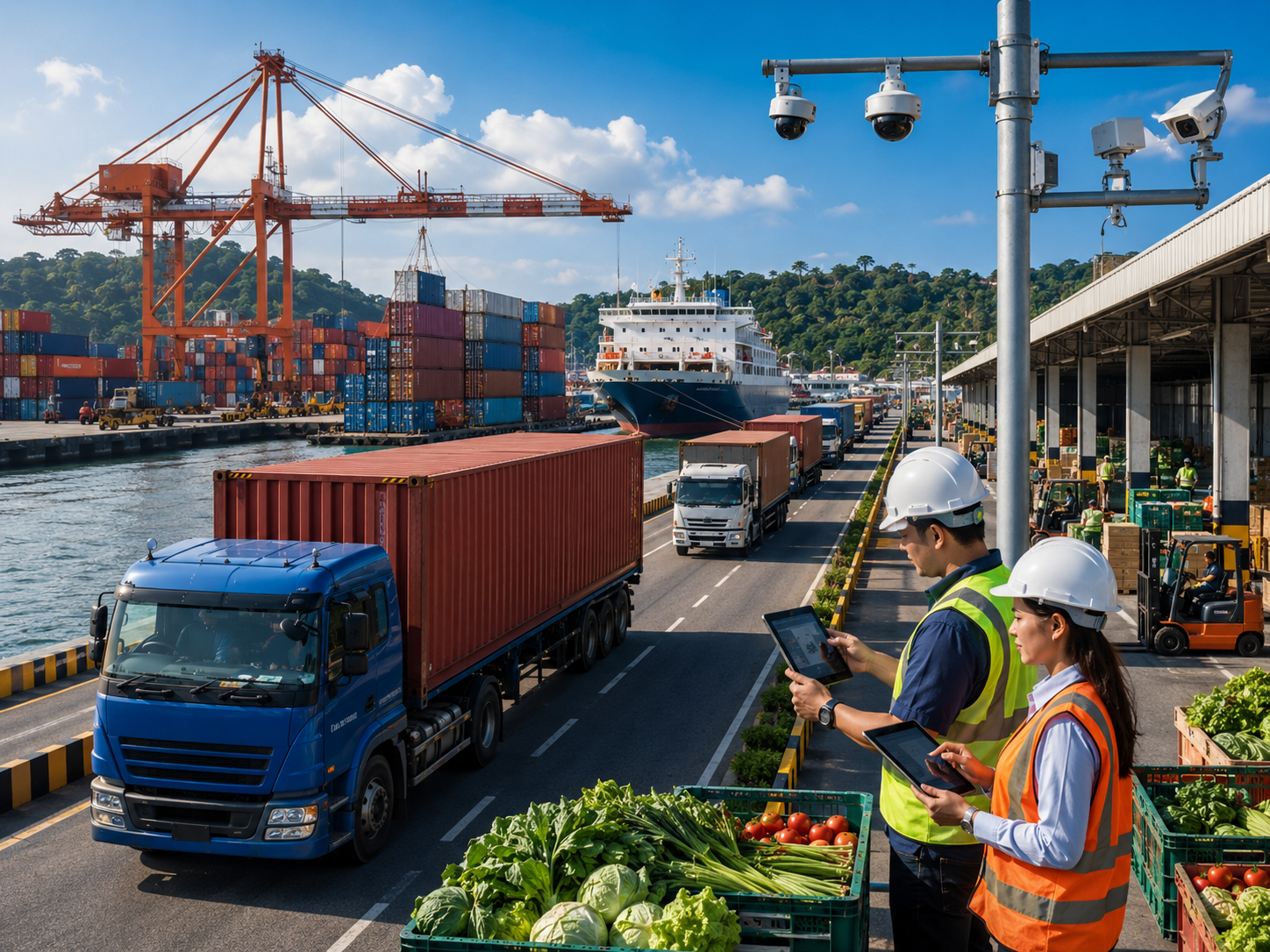
The maritime sector handles over 90% of domestic cargo movement, making port efficiency paramount. The Philippine Ports Authority (PPA) has rolled out digital truck appointment systems at the Manila International Container Terminal to eliminate notorious long queues. Meanwhile, the Batangas Port is being positioned as an effective alternative gateway to decongest the capital, with expanded berths and upgraded crane capabilities. In the Visayas, the Cebu International Port’s capacity enhancements now allow it to service larger Panamax-sized vessels, directly facilitating trade between the central islands and international markets. A recent DOTr logistics hub blueprint, released in mid-2026, maps out the development of multimodal nodes in Pampanga and Davao, aiming to centralize cargo consolidation and slash inter-island transit times.
Connecting the Railways
Arguably the most transformative projects are the railway systems. The North-South Commuter Railway, stretching from Clark in Pampanga to Calamba in Laguna, is set to partially operate soon, providing a dedicated freight corridor that bypasses the gridlocked roads of Metro Manila. This development is crucial for logistics providers who have traditionally depended on trucks subject to erratic truck-ban policies. The Metro Manila Subway, while passenger-focused, will dramatically alter labor mobility, ensuring a stable workforce for distribution centers that cluster around the city’s periphery.
Air Logistics and New Gateways
Air freight remains vital for high-value, time-sensitive goods such as electronics and semiconductors—a major Philippine export. The imminent commercial launch of the New Manila International Airport in Bulacan, led by San Miguel Corporation, promises to quadruple the capital region’s aviation cargo capacity. This world-class facility, equipped with a dedicated cargo city, will position the Philippines as a stronger transshipment hub. Coupled with the expanding operations at Clark International Airport, the air logistics sector is poised to shift from a passenger-centric afterthought to a dedicated economic driver.
These concrete interventions are more than just construction projects; they represent a strategic decongestion of a logistics artery that has been chronically clogged. By physically bridging the gaps between the archipelago’s major economic zones, the Philippines is turning its geographic fragmentation into a connected, resilient trade network, making 2026 a landmark year for the transport industry’s foundational reboot.