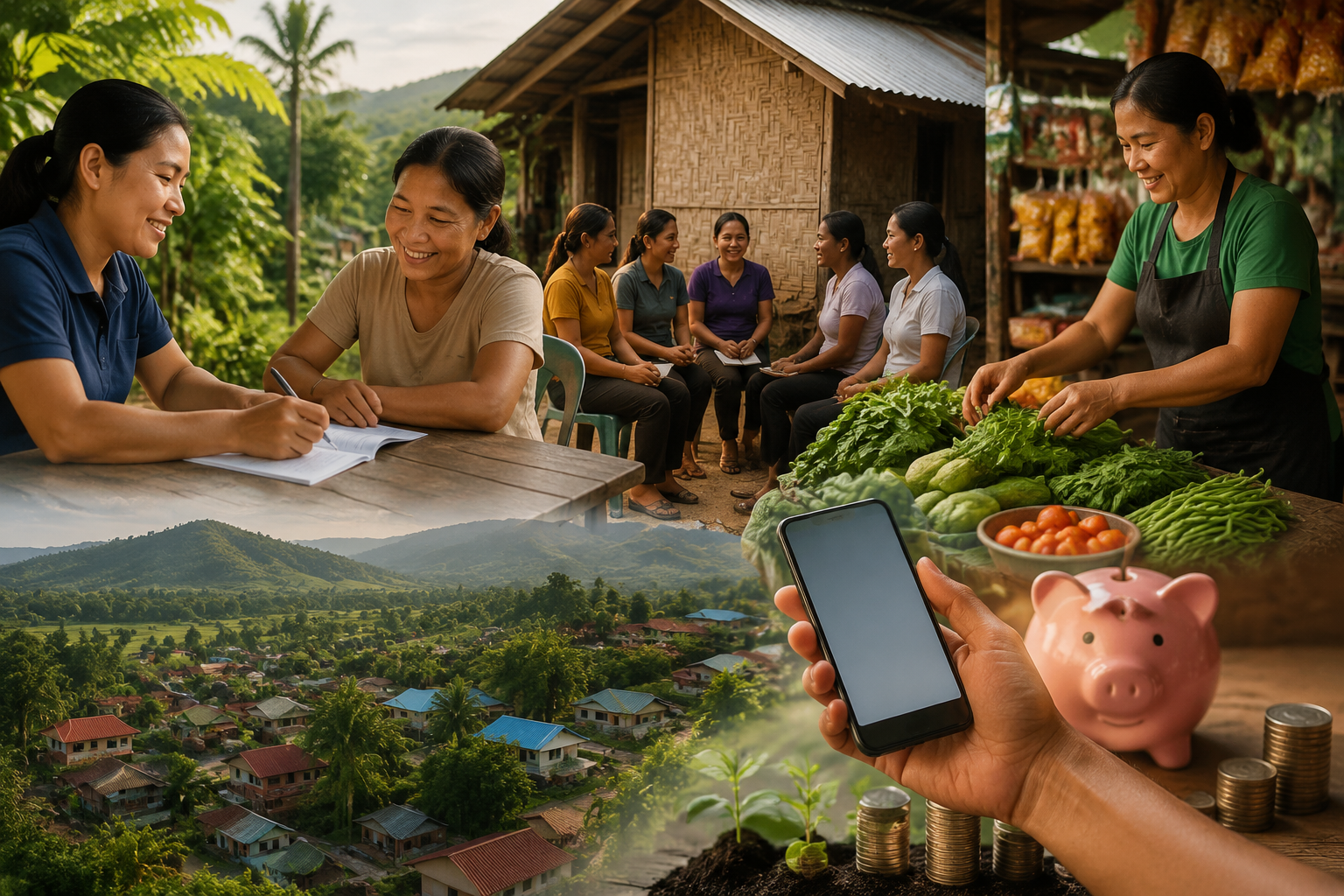
Microfinance in the Philippines has become an essential mechanism for advancing community-level development, particularly in underserved regions where access to formal banking is limited. It operates by providing small-scale financial services that enable individuals to participate more actively in economic activities.
At the community level, microfinance supports the growth of micro-enterprises, which are often the backbone of local economies. These include small retail shops, fishing operations, agricultural ventures, and home-based production businesses. With access to credit, entrepreneurs can improve productivity, diversify income streams, and reduce reliance on seasonal or unstable earnings.
A key feature of microfinance programs is their integration with social development initiatives. Many MFIs collaborate with local organizations to provide training sessions in entrepreneurship, health awareness, and financial management. This holistic approach ensures that financial assistance is complemented by capacity-building efforts.
One notable impact is the reduction of poverty vulnerability. When households gain access to financial tools, they are better able to manage income fluctuations and invest in long-term needs such as education and housing improvements. This contributes to gradual but sustainable improvements in living standards.
Microfinance also strengthens social cohesion through group-based lending models. These groups foster mutual support and collective responsibility, which helps maintain high repayment rates and encourages cooperation among members. In many communities, these groups evolve into support networks that extend beyond financial matters.
Digital transformation is further enhancing microfinance delivery. Mobile payment systems and digital loan applications are making services more accessible, especially in geographically isolated areas. This technological shift reduces transaction costs and improves efficiency.
Even with these advancements, challenges such as financial literacy gaps and vulnerability to climate-related disruptions persist. Nevertheless, microfinance remains a powerful tool for building stronger and more self-reliant communities.