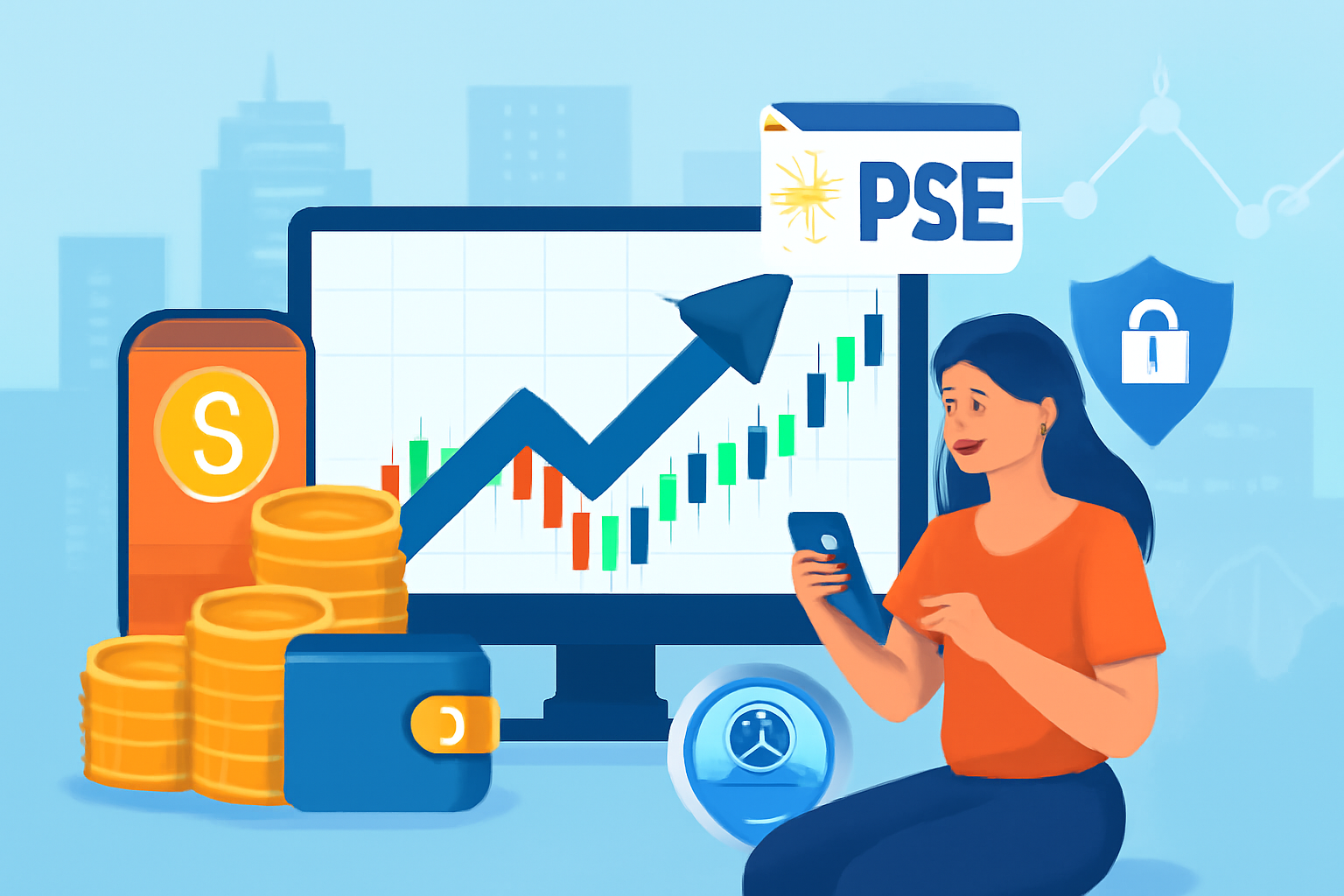

The fastest-growing segment of Philippine stock market participants is not institutional money but first-time retail investors who learned about stocks through social media, online courses, and broker-led communities. In 2026, the link between financial literacy and market participation is clearer than ever: each wave of educational content produces measurable increases in new account openings on the PSE.
The Social Media Onboarding Effect
Platforms like TikTok, YouTube, and Facebook have become informal classrooms for Filipino personal finance. Creators break down price-to-earnings ratios, dividend yields, and REIT mechanics in accessible Taglish. While not all content is reliable, the overall effect has been to demystify the stock market. Young professionals who previously saw equities as gambling now understand the difference between trading and investing. This shift has reduced the intimidation factor that once kept many Filipinos out of the market. The PSE and brokers have responded by producing their own educational series, often in short video format.
Broker-Led Education and Simulated Trading
Many online brokers now require or encourage new clients to complete short educational modules before making their first trade. Simulated portfolios allow beginners to test strategies with virtual money before risking capital. This reduces the chance of early losses that could permanently turn someone away from equities. The PSE Academy, the stock exchange’s official education arm, offers structured modules on fundamental analysis, technical analysis, risk management, and investor rights. According to the PSE Academy website, accessed August 2026, its curriculum has been expanded to include interactive webinars and market simulations aimed at millennial and Gen Z investors.
The Community Effect on Retention
Why Peer Support Matters for Retail Growth
Learning in isolation is hard. Online communities—whether on Facebook groups, Discord servers, or broker forums—give new investors a place to ask questions, share watchlists, and review company disclosures. This peer support increases retention. A retail investor who feels part of a community is more likely to continue learning, increase their portfolio, and eventually become a long-term shareholder. The 2026 market environment shows that retail investors who enter through educational channels tend to hold assets longer and contribute to more stable order flow than those who enter through hype alone.
Turning Education into Sustainable Market Participation
Financial literacy is not just about attracting new investors; it is also about preventing the kind of speculation that leads to retail burnout. The PSE and SEC have stepped up investor protection campaigns, warning about pump-and-dump schemes and unregistered investment groups. As education improves, retail capital becomes more patient. That patience is visible in the rising demand for dividend-paying stocks, REITs, and index-linked products.
The link between education and market growth is self-reinforcing. As more Filipinos understand corporate earnings, the PSE gains a larger base of fundamentally driven buyers. In this sense, financial literacy is not a side program; it is a core growth strategy for the Philippine stock market.