Global supply chain disruptions have taught the business world a harsh lesson: efficiency without resilience is a liability. In the Philippine context of 2026, this realization is driving a profound restructuring of how large multinational companies (MNCs) source their materials and services. The role of the local Small and Medium Enterprise is being elevated from a cheap alternative to a strategic necessity for agility.
Nearshoring and Localization Strategies
In response to geopolitical tensions and rising logistics costs, Philippine-based MNCs are aggressively pursuing nearshoring strategies. By 2026, it is expected that a significant percentage of components previously sourced from overseas will be procured locally. This shift presents a massive opportunity for Filipino SMEs in the manufacturing and packaging sectors. Large companies are collaborating with these local firms to upgrade their quality control systems and certifications, ensuring that local products meet international standards. This not only shortens the supply chain but also insulates MNCs from currency fluctuations and international shipping bottlenecks.
The “Last Mile” Innovation
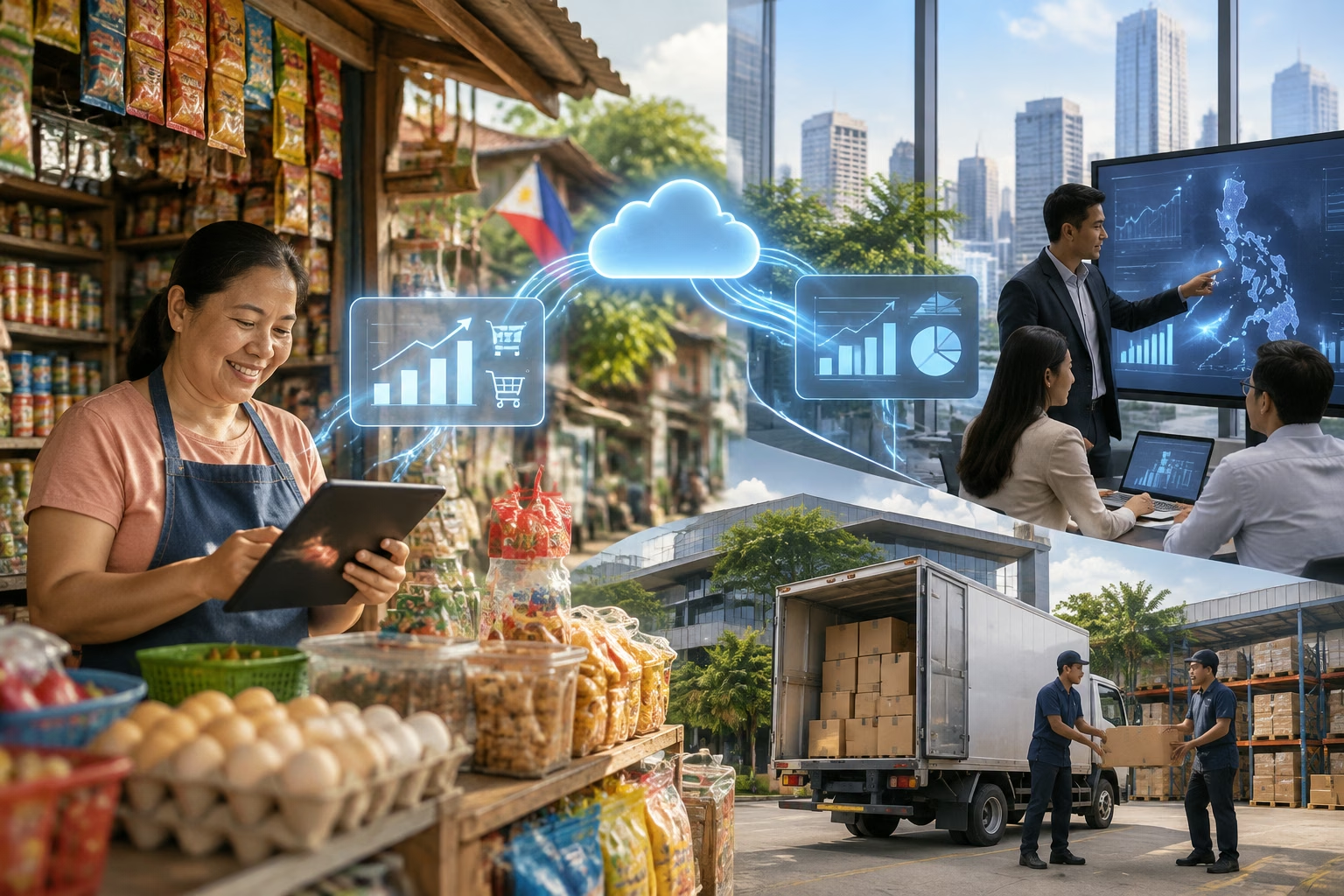
For fast-moving consumer goods (FMCG) companies, the distribution network in the Philippine archipelago remains a logistical nightmare. Large corporations are discovering that their rigid, centralized distribution models cannot reach the country’s far-flung islands efficiently. In 2026, collaboration with local logistics SMEs and community-based distributors is becoming the norm. These local players possess the trucks, the local contacts, and the knowledge to navigate inter-island trade. By integrating these SMEs into their supply chain, MNCs can finally solve the “last mile” challenge, ensuring product availability in underserved municipalities while boosting local employment.
Co-Innovation for Sustainability
Sustainability targets are also shaping these collaborations. Large corporations face pressure to reduce their carbon footprints. Transporting raw materials across the globe is carbon-intensive. By working with local SMEs that utilize recycled materials or sustainable farming practices, MNCs can green their supply chains significantly. In 2026, we see co-innovation labs where corporate R&D teams work hand-in-hand with local artisans to develop packaging from indigenous, biodegradable materials.
The Department of Trade and Industry (DTI) in the Philippines has been a strong proponent of this linkage, promoting programs that connect large enterprises with SMEs specifically to strengthen domestic supply chains. Their ongoing initiatives for 2026 focus on this “Big Brother-Small Brother” framework to boost local manufacturing resilience. For policy specifics, visit https://www.dti.gov.ph/.
This recalibration of the supply chain, driven by necessity and strategy, positions Filipino SMEs not just as suppliers, but as the agile engines that will power the resilience of corporate Philippines in 2026.