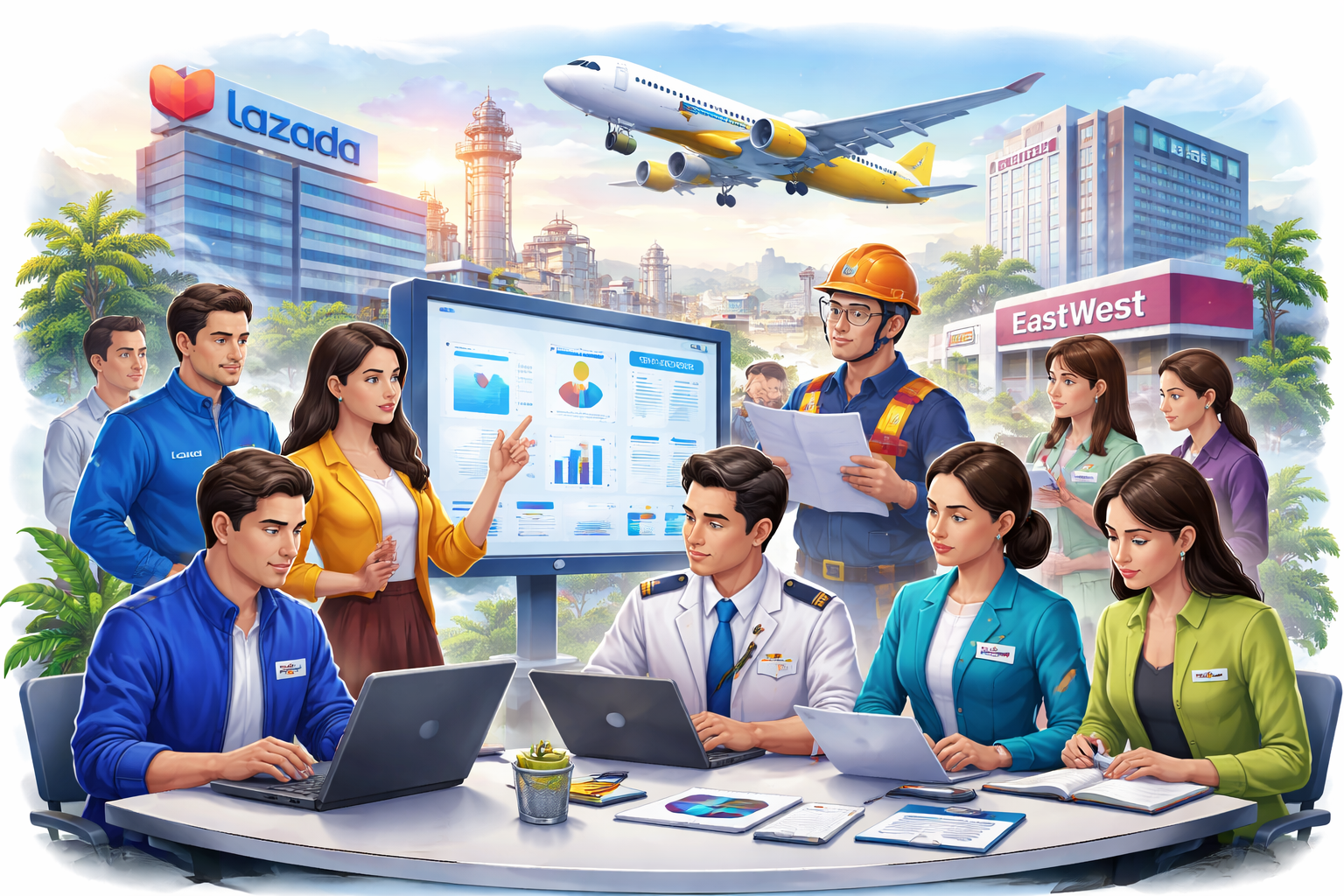
The future of work in the Philippines depends heavily on how well education providers and businesses can cooperate. As industries become more digital, automated, and knowledge-driven, workers need skills that go beyond memorization and basic job preparation. They must be able to solve problems, use technology, communicate across cultures, adjust to change, and continue learning throughout their careers. These abilities are difficult to develop when schools operate separately from the industries that eventually hire their graduates.
A close partnership between business and education helps make learning more practical. Employers understand the daily realities of the workplace, including the tools employees use, the standards they must follow, and the soft skills needed to succeed. Educators understand how to build learning pathways, assess student progress, and develop intellectual foundations. When these two groups work together, they can create programs that combine theory with practice. This is especially important in the Philippines, where millions of young people enter the labor market each year and compete not only locally but also internationally.
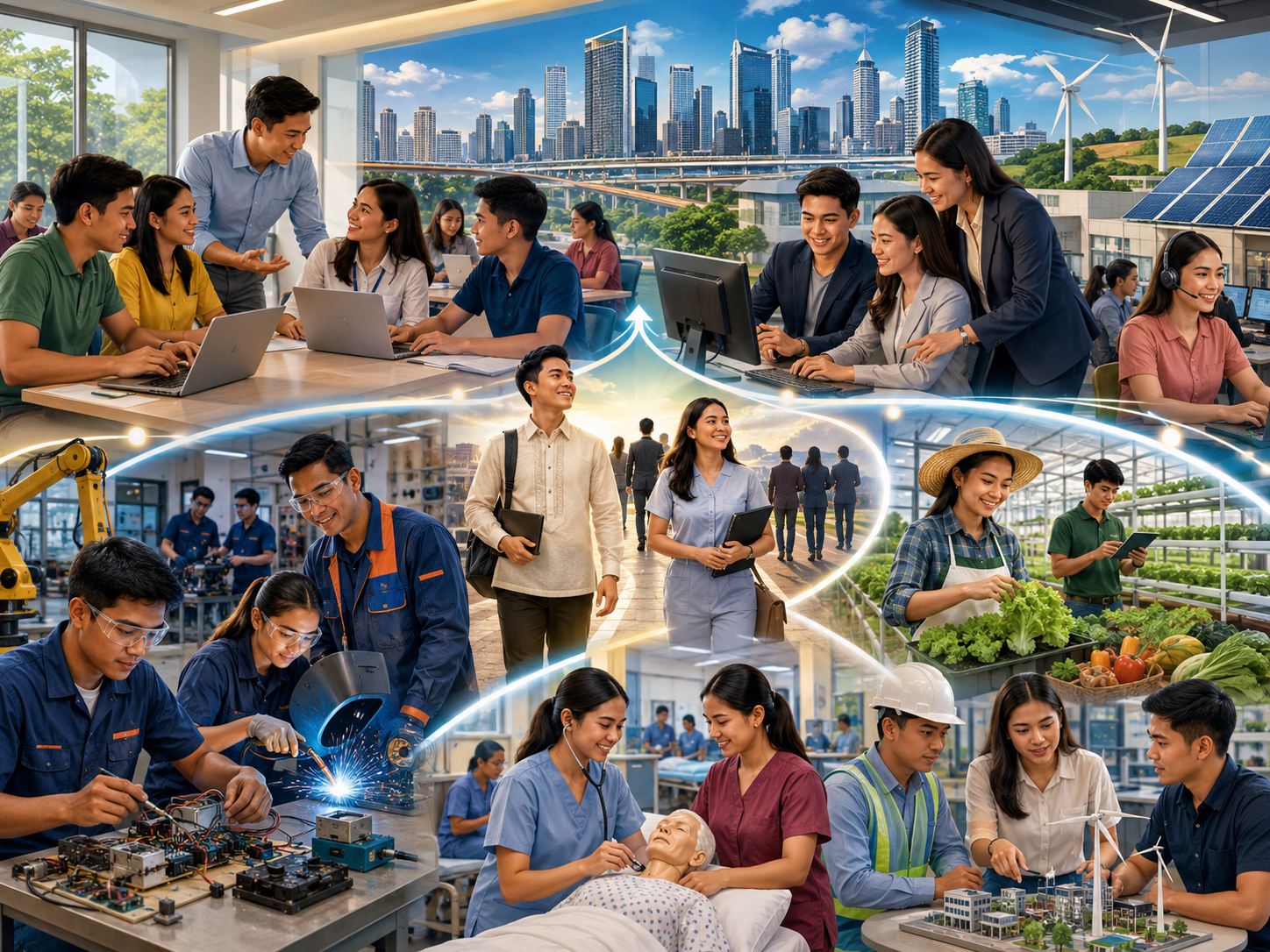
One useful form of collaboration is curriculum alignment. Schools can invite companies to review course content and identify outdated topics or missing competencies. In technology-related programs, for instance, industry partners may recommend more training in coding, cloud platforms, cybersecurity, data analysis, and digital project management. In hospitality and tourism, businesses can help strengthen lessons on customer experience, cultural awareness, service quality, and digital booking systems. In agriculture, partnerships can introduce learners to smart farming, food processing, supply chain management, and sustainable production.
Work-based learning is another important strategy. Internships, apprenticeships, on-the-job training, and workplace immersion allow students to experience professional environments before graduation. These programs help learners understand expectations that are difficult to teach through lectures alone. They learn how to work in teams, communicate with supervisors, handle pressure, meet deadlines, and follow workplace rules. For employers, these programs create a pipeline of potential employees who are already familiar with industry practices.
Technical-vocational institutions have a particularly important role in this system. Many Philippine industries rely on skilled workers in construction, manufacturing, electronics, healthcare support, transportation, and service sectors. These jobs require practical competence and certification. By partnering with businesses, training institutions can ensure that equipment, teaching methods, and assessment standards reflect actual job conditions. Trainers can also benefit from industry exposure, allowing them to update their knowledge and teach more effectively.
Business-education cooperation also supports innovation. Universities can work with companies on research, product development, process improvement, and entrepreneurship. Students can participate in real business challenges, develop prototypes, conduct market studies, or design community-based solutions. This kind of learning encourages creativity and confidence. It also helps businesses access fresh ideas while giving students valuable experience in applying knowledge.
Still, partnerships must be designed carefully. A strong collaboration should have clear objectives, shared responsibilities, and regular evaluation. Schools should not simply become training arms for individual companies, because education must also prepare students for broad career growth and responsible citizenship. At the same time, businesses should not be treated only as sponsors. Their knowledge of the labor market is valuable and should be integrated into planning.
For the Philippines, the opportunity is significant. A well-connected education and business ecosystem can help reduce skill mismatch, improve youth employment, and strengthen industries that are central to economic development. By investing in future-ready skills today, the country can prepare workers who are not only employable but also innovative, resilient, and capable of contributing to long-term national progress.