Agribusiness is a powerful sector for Filipino entrepreneurs because it covers much more than planting crops or raising animals. It includes farm inputs, production, harvesting, processing, storage, transport, wholesale, retail, and export. This wide value chain creates many entry points for entrepreneurs with different levels of capital, skills, and experience. In a country where food demand continues to grow, agribusiness can provide both profit and social impact.
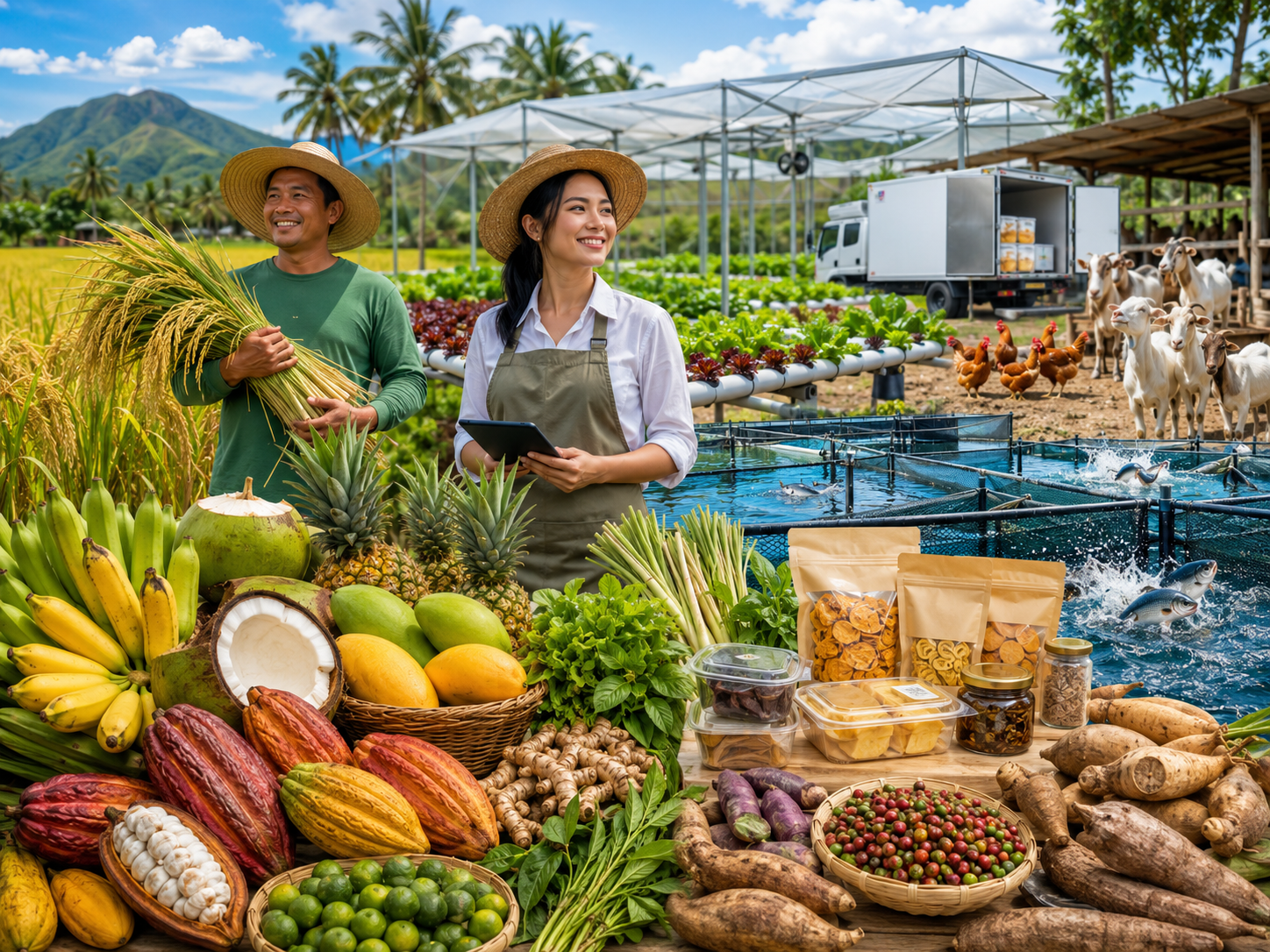
A practical opportunity is producing crops that have strong demand and higher margins. Filipino entrepreneurs may consider vegetables, herbs, fruits, cacao, coffee, coconut, and root crops. High-value vegetables such as lettuce, bell pepper, cucumber, tomato, and herbs can be supplied to restaurants, supermarkets, and meal-preparation businesses. Meanwhile, cacao and coffee have strong potential because consumers are increasingly interested in locally produced chocolate and specialty coffee. Entrepreneurs who focus on quality, traceability, and branding can differentiate themselves from ordinary commodity sellers.
Organic and natural food production is another promising area. More consumers are becoming conscious about health, food safety, and environmental sustainability. Organic vegetables, free-range eggs, natural fertilizers, herbal teas, and chemical-free produce can appeal to middle-income and premium buyers. Entrepreneurs must be careful, however, because organic farming requires proper soil management, certification knowledge, and consistent production practices. The business works best when supported by direct marketing, subscriptions, farm tours, or partnerships with health-focused stores.
The processing of agricultural products can significantly increase income. Selling raw bananas, coconuts, fish, mangoes, or cacao often gives farmers and traders limited profit. When these products are transformed into chips, oils, sauces, spreads, frozen packs, beverages, or snacks, they become more attractive to consumers and easier to transport. Food processing also allows entrepreneurs to build a brand. Good packaging, clear labeling, attractive design, and food safety compliance can help products enter groceries, online marketplaces, pasalubong centers, and export channels.
Agribusiness also offers opportunities in animal production. Poultry farming, egg production, goat raising, cattle fattening, piggery, and dairy ventures can be profitable when managed professionally. Native chicken and free-range egg businesses are gaining attention because some consumers prefer products perceived as healthier or more natural. Entrepreneurs must understand feed costs, vaccination, animal housing, waste management, and disease risks. Without proper systems, livestock businesses can quickly become expensive and unstable.
Aquaculture is another valuable option. The Philippines has many coastal and inland water resources, making fish farming and seafood production suitable in many areas. Bangus, tilapia, shrimp, crab, and seaweed are among the possible products. Entrepreneurs can improve income by integrating aquaculture with hatchery operations, feed distribution, cold storage, or seafood processing. Seaweed farming can be particularly useful for coastal communities because it requires relatively simple infrastructure and has industrial applications.
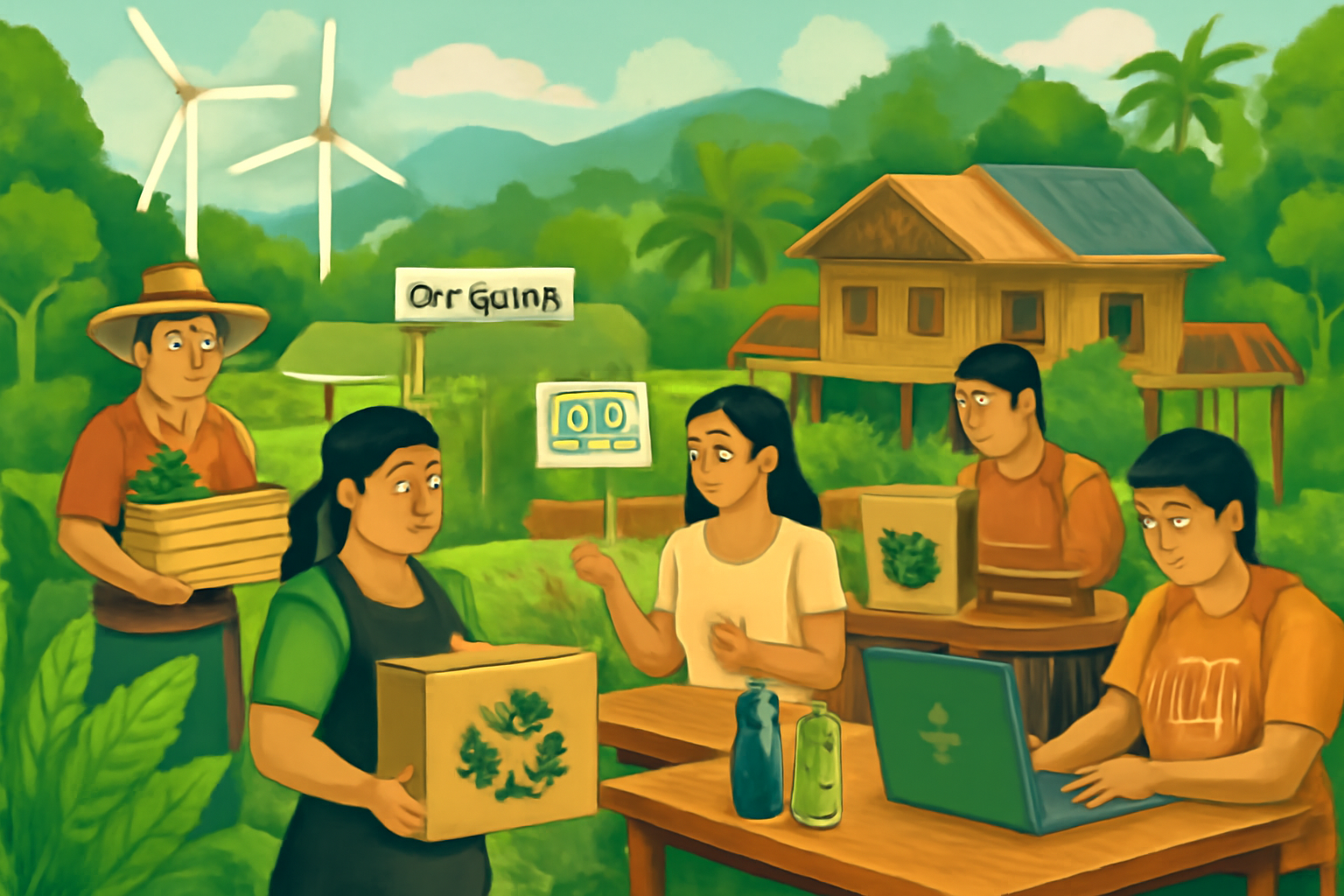
Technology-based agribusiness is becoming more relevant. Entrepreneurs can develop services such as online farm-to-table platforms, crop monitoring, weather advisory systems, digital payment tools, equipment rental apps, and data-based farm management. Many small farmers still rely on traditional selling methods and have limited bargaining power. Digital platforms can help them reach more buyers while giving entrepreneurs a service-based business model.
There is also room for businesses that provide inputs and support services. Seed supply, fertilizers, organic compost, animal feeds, irrigation equipment, greenhouse materials, farm machinery rental, and technical consulting are essential to farmers. Entrepreneurs who offer reliable products and after-sales support can build long-term relationships in rural markets.
The key to building a strong agribusiness is not only producing food but understanding the entire journey from farm to consumer. Filipino entrepreneurs who study market demand, improve product quality, reduce waste, and create value-added products can find meaningful opportunities in this expanding sector.