
As the digital revolution accelerates across the globe, the role of banks in the Philippines has evolved to meet the demands of a new era. The banking sector is no longer just about savings accounts and loans; it has become an essential driver of digital economic growth. This article will explore the ways in which Filipino banks are shaping the digital economy and how their efforts are empowering businesses and individuals alike.
Digital payments have seen tremendous growth in the Philippines, largely driven by the efforts of the banking sector. Banks in the country have developed digital platforms that allow consumers to make cashless transactions with ease. These platforms, such as mobile apps and online banking services, offer a range of services including bill payments, money transfers, and shopping, all at the touch of a button. With the COVID-19 pandemic accelerating the shift to online transactions, the uptake of these services has increased significantly, reflecting the changing habits of Filipino consumers.
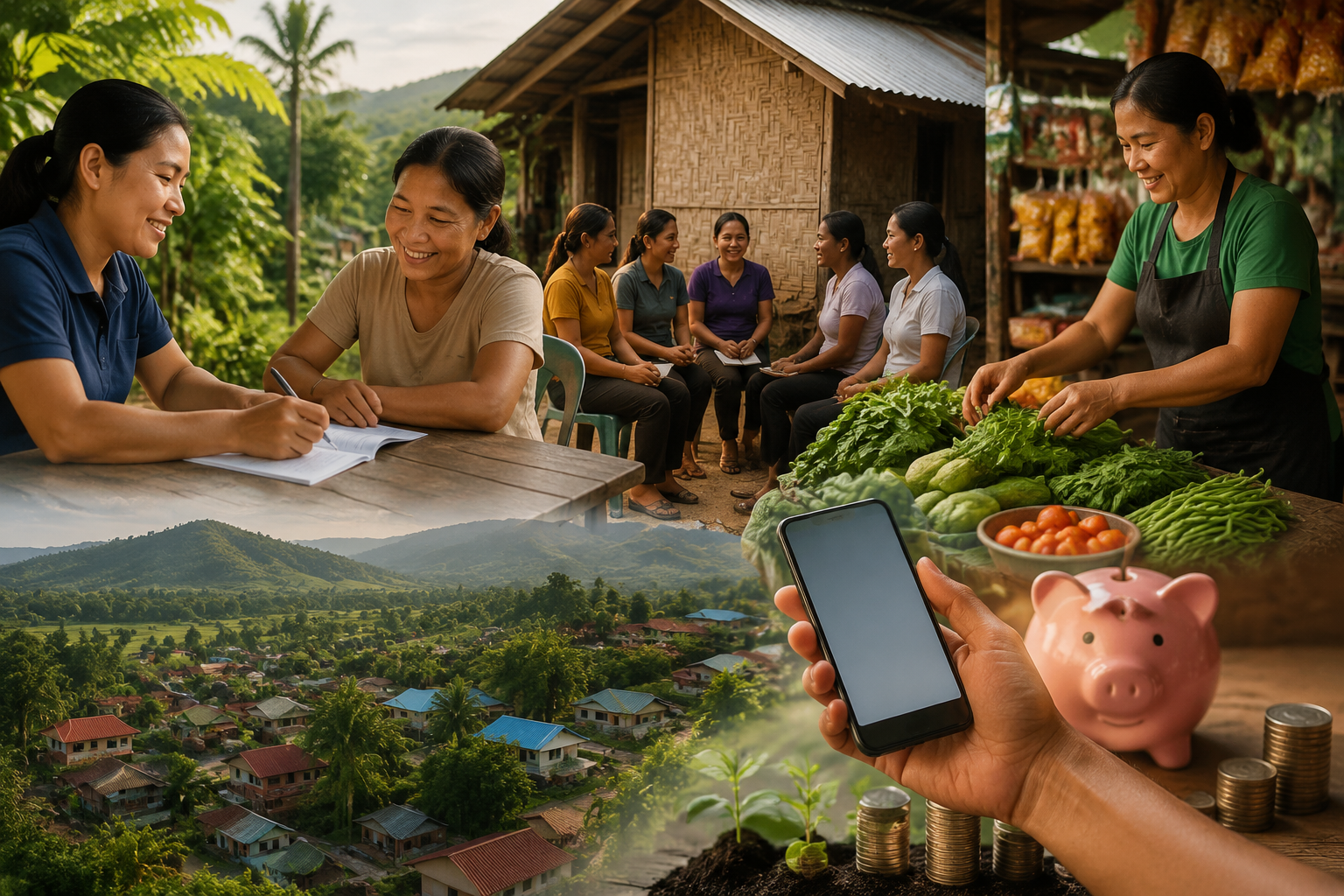
In addition to digital payments, Filipino banks have been crucial in enabling financial inclusion, particularly for the unbanked population. The Philippines has a large proportion of people who have limited or no access to traditional banking services. Through the introduction of digital banking products, banks are helping to bridge this gap. Digital wallets and mobile banking apps are now widely available, enabling people to open accounts, send money, and access financial services without the need for a physical branch. This accessibility is helping to drive financial inclusion and create a more equitable economy.
The banking sector also plays a key role in supporting the growth of small and medium-sized businesses (SMEs). These businesses often struggle to secure financing through traditional means, but digital banking has made it easier for them to apply for loans online. By streamlining the loan application process and making it more efficient, banks are helping SMEs access the capital they need to grow and create jobs, ultimately contributing to the broader digital economy.
The collaboration between banks and fintech companies is another important aspect of the digital transformation in the Philippines. Fintech firms have brought innovative solutions to the financial sector, and many banks have partnered with these companies to offer enhanced services. From digital loans to cryptocurrency platforms, these collaborations are expanding the range of financial products available to consumers and businesses, creating a more diverse and inclusive digital financial ecosystem.
Despite the many benefits, the transition to a digital economy also presents challenges, particularly in the area of cybersecurity. With more transactions happening online, the threat of cyberattacks becomes more pronounced. Filipino banks have responded by investing in advanced security measures, such as end-to-end encryption, biometric authentication, and AI-based fraud detection systems. These technologies help protect customers’ data and ensure that digital financial services are safe to use.
In short, banks in the Philippines are at the forefront of driving digital economic growth. By offering innovative digital services, fostering financial inclusion, supporting SMEs, and partnering with fintech firms, Filipino banks are playing a critical role in shaping the future of the country’s economy. Their continued efforts will be vital in ensuring that the Philippines remains competitive in the global digital economy.