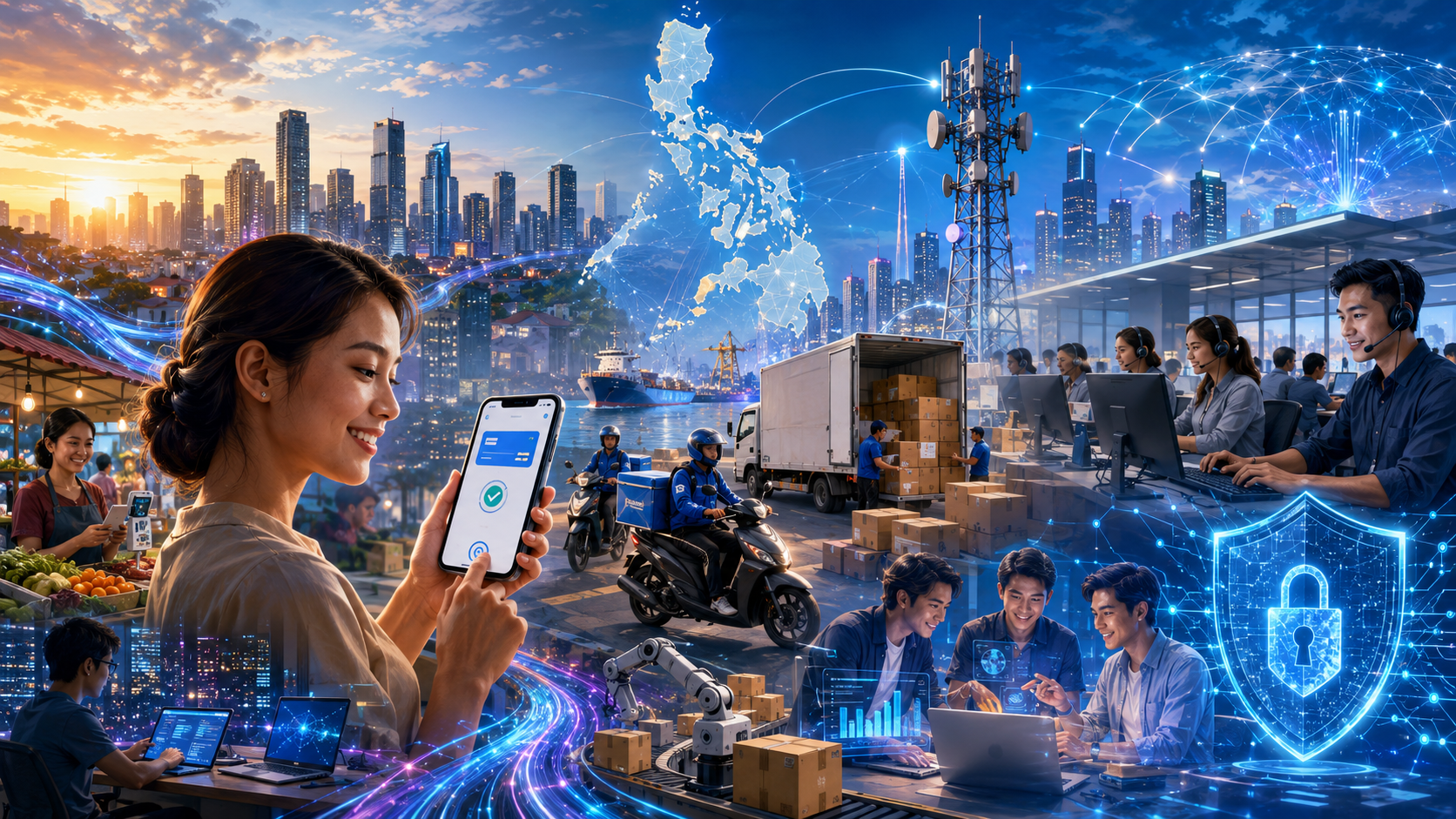
In the Philippines, companies are at the forefront of the country’s transition into the digital economy. As more businesses leverage technology to enhance their operations, the Philippine digital landscape has experienced rapid growth. The rise of e-commerce, mobile technology, and digital services has transformed the way companies engage with customers, creating a new business ecosystem that promotes inclusivity and innovation.
Digital transformation has been especially important for companies in the financial sector. Banks and fintech companies have increasingly adopted online banking, mobile payments, and other digital financial services to meet the needs of an increasingly tech-savvy population. This move towards digital finance has made banking more accessible, especially in rural areas where physical branches are often limited or non-existent. The growth of mobile wallets and digital payment systems, such as GCash and PayMaya, has also enabled people to easily send money, pay bills, and make purchases online.
The retail industry has also seen a significant shift towards digital platforms. E-commerce giants such as Lazada and Shopee have gained considerable market share by offering consumers the ability to shop from home. This has not only made shopping more convenient but also encouraged businesses to explore new digital marketing strategies to reach their target audience. As a result, Filipino entrepreneurs and small businesses have been able to expand their customer base beyond traditional brick-and-mortar stores.
Telecommunications companies in the Philippines, including major players like PLDT and Globe, are integral to the country’s digital transformation. These companies have made significant investments in expanding mobile and internet networks to ensure that more Filipinos can access digital services. This has been crucial in ensuring that the Philippines remains competitive in the global digital economy, as it enables businesses to access new tools and resources that improve productivity and service delivery.
Business process outsourcing (BPO) companies are another key player in the digital economy in the Philippines. The BPO industry continues to thrive due to the availability of a highly skilled and English-speaking workforce. Many BPO firms are now incorporating advanced digital tools to provide services such as digital marketing, IT support, and virtual assistance. As a result, the Philippines remains a top destination for outsourcing services, contributing significantly to the country’s GDP.
As the digital economy grows, so does the need for businesses to safeguard their operations. Companies in the Philippines are increasingly investing in cybersecurity measures to protect themselves and their customers from cyber threats. By prioritizing data protection, businesses are ensuring the long-term stability of the digital economy and helping to foster consumer confidence in online services.
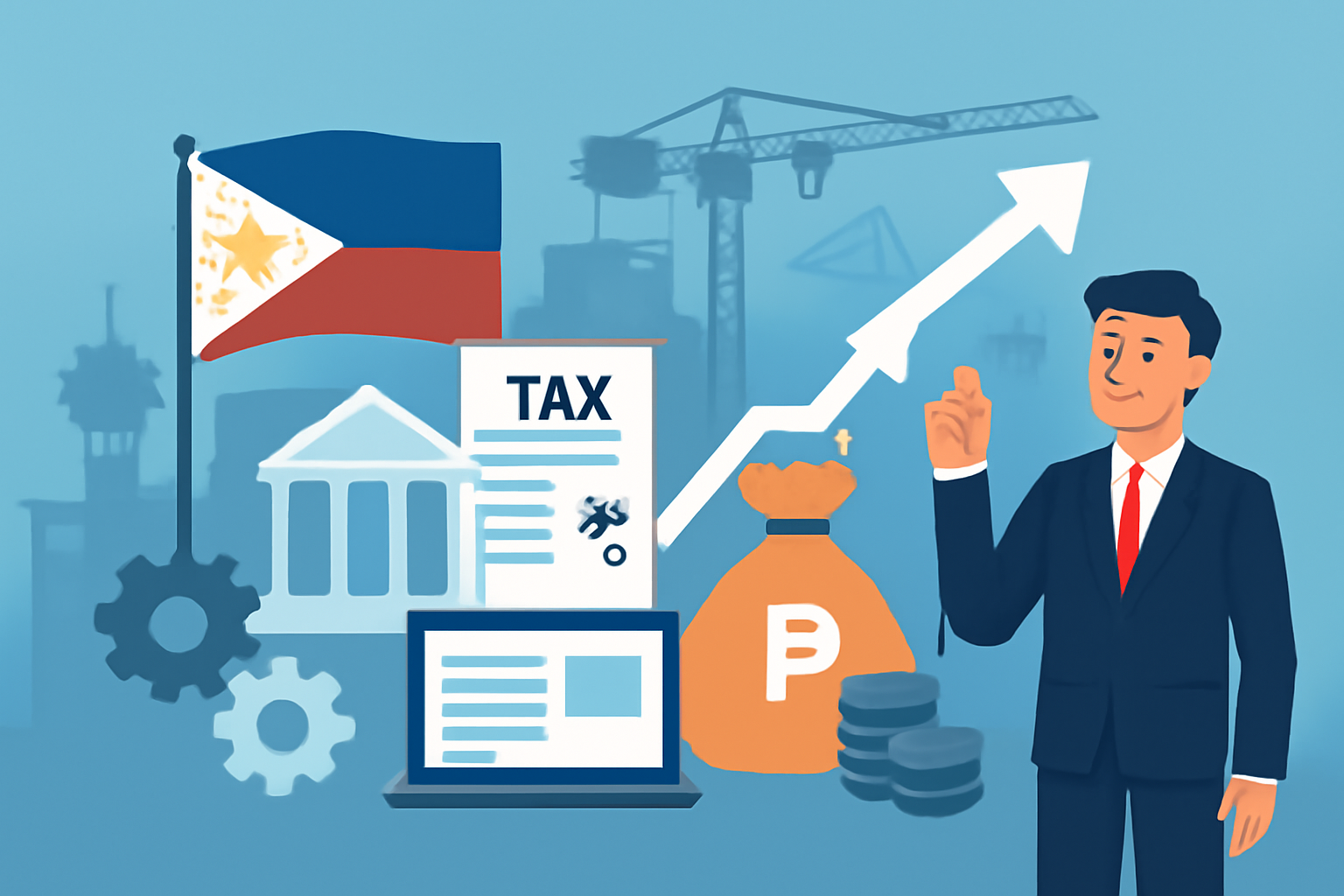
The government of the Philippines has also supported the growth of the digital economy by implementing policies and initiatives aimed at improving access to technology, internet connectivity, and digital education. These efforts, combined with the private sector’s drive for innovation, have paved the way for a more inclusive and resilient digital economy.