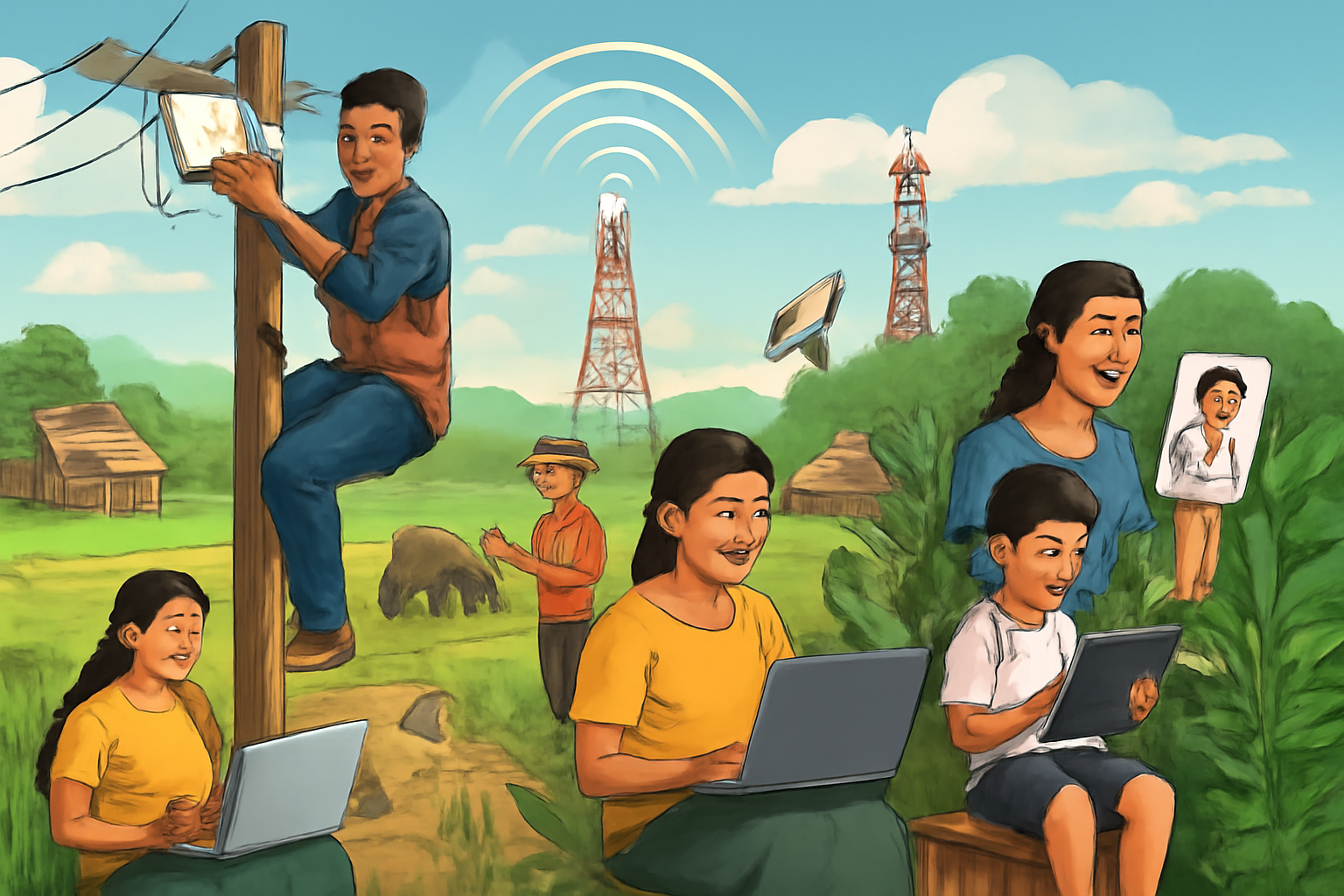

The Philippine government has recognized the transformative potential of technology and has taken proactive steps to foster innovation through various policies. By implementing supportive frameworks, creating funding mechanisms, and establishing collaborations, the government has played a key role in shaping the technological landscape of the nation. These efforts not only contribute to economic growth but also address key challenges in areas such as education, healthcare, and agriculture.
A major driver of technological innovation in the Philippines has been the Philippine Innovation Act (Republic Act No. 11293), which provides a comprehensive framework for the country’s innovation policy. Signed into law in 2019, this legislation encourages technological development by setting up a National Innovation Council that works on creating policies to support the growth of local tech industries. It also helps identify areas where innovation can have the most impact, such as smart agriculture, renewable energy, and healthcare.
In line with the goal of supporting innovation, the government has worked to strengthen the country’s research and development infrastructure. This includes the establishment of innovation hubs, which provide physical spaces for collaboration between universities, businesses, and the government. These hubs are pivotal in transforming research outcomes into marketable products and services, helping the country stay competitive in the global digital economy.
In addition to fostering collaboration, the government has focused on improving access to financial resources for emerging tech companies. Through grants, subsidies, and tax incentives, the government ensures that small and medium-sized enterprises (SMEs) can engage in innovative activities without facing financial constraints. This has been a critical part of the Philippines’ strategy to diversify its economy and create a sustainable tech industry.
The Philippine government has also launched initiatives to address the digital skills gap. With the rise of remote work and the increasing demand for tech professionals, programs such as the Digital Jobs PH have equipped Filipinos with the skills needed for jobs in digital marketing, software development, and other tech-related fields. By enhancing the digital capabilities of its workforce, the Philippines is ensuring that its people remain competitive in the ever-changing global job market.
Moreover, the government’s efforts are complemented by its Digital Transformation Roadmap, which focuses on modernizing government services and enhancing digital infrastructure. This initiative includes the implementation of e-government platforms, which provide citizens with easier access to government services and ensure that the country’s public sector is in sync with the digital age.
To further accelerate the growth of its technology sector, the Philippine government has fostered public-private partnerships. Through these collaborations, the government has been able to leverage the expertise of private sector players to drive innovation in critical sectors such as healthcare, education, and energy. This combined approach has led to the establishment of various tech incubators and accelerators in key cities, driving innovation in the local tech ecosystem.
With a strong policy framework in place, the Philippine government’s commitment to technological innovation continues to evolve. The nation’s focus on research and development, coupled with its efforts to enhance digital skills and infrastructure, positions the Philippines to become a leading force in Southeast Asia’s digital transformation.