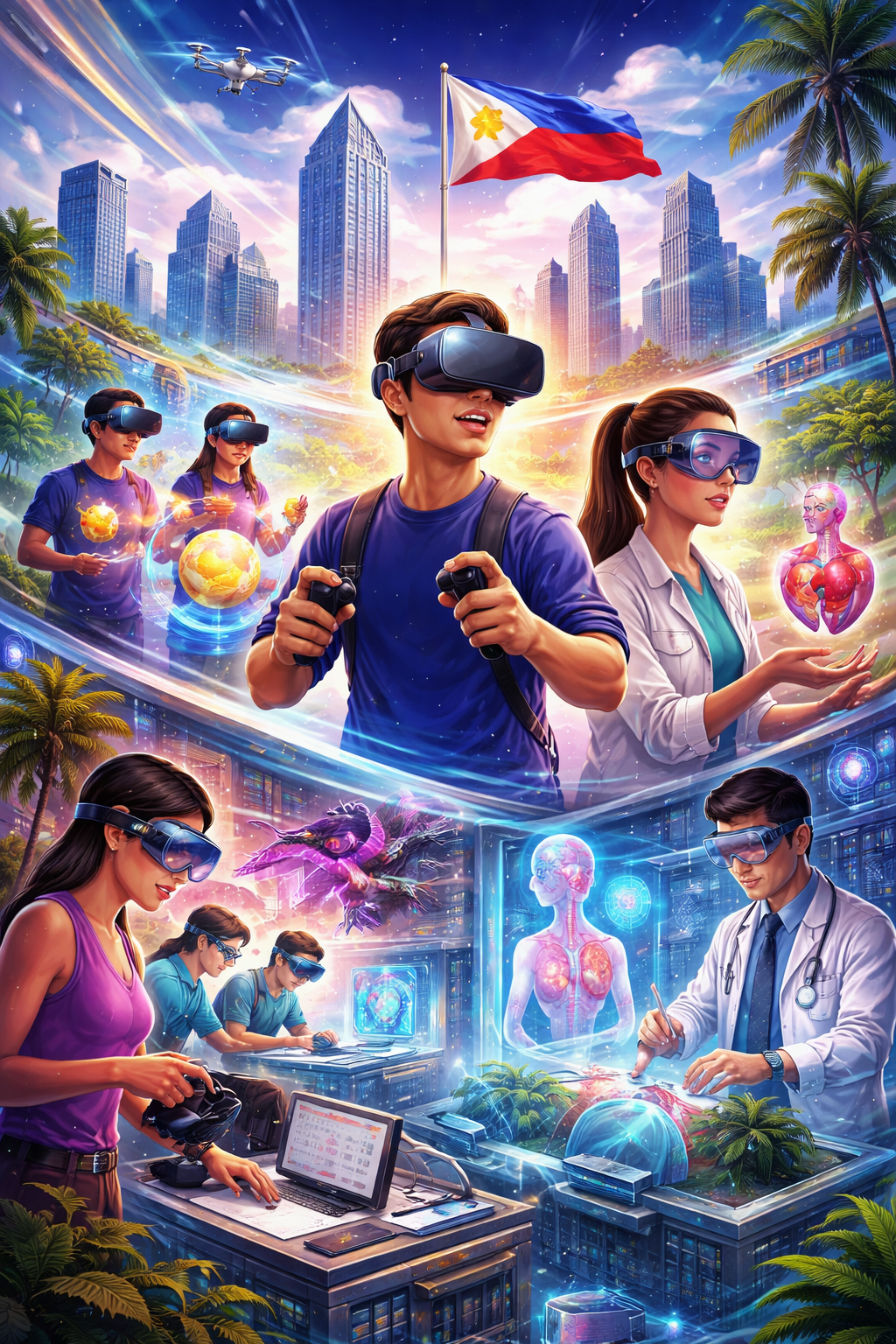
In recent years, virtual reality (VR) and augmented reality (AR) have become transformative technologies, revolutionizing various industries in the Philippines. With a growing number of startups in the tech sector, these technologies are being integrated into industries ranging from gaming to education, retail, and healthcare, helping to create immersive and interactive user experiences.
Filipino startups have quickly embraced VR and AR, making these technologies integral to the evolving digital landscape. In gaming, VR has been instrumental in creating highly immersive experiences that bring games to life. Local game developers have successfully integrated VR elements into their products, offering users a more interactive, lifelike experience that keeps them engaged for longer periods.
In the education sector, AR and VR technologies are opening new doors to innovative learning methods. Startups are developing VR-based platforms that allow students to engage in experiential learning. For example, virtual field trips and historical simulations let students learn by interacting with subjects in a more dynamic, hands-on way.
Healthcare is another area where AR and VR are making a significant impact. Through AR applications, healthcare professionals can visualize complex medical procedures in 3D, offering better clarity and understanding. Some startups are working on creating VR-based training simulations for medical students, providing them with realistic practice scenarios that can improve their skills without putting patients at risk.
Moreover, the Philippine government has shown active interest in promoting technology and innovation. With policies that encourage startup growth, it is providing funding opportunities, tax incentives, and other resources to help local tech entrepreneurs bring their VR and AR solutions to the market. This supportive ecosystem is enabling local startups to develop products that have the potential to reach international markets.
The rise of VR and AR in Philippine startups is undeniably reshaping the way people interact with technology, and its influence is expected to continue growing as more industries recognize the advantages of these immersive technologies.