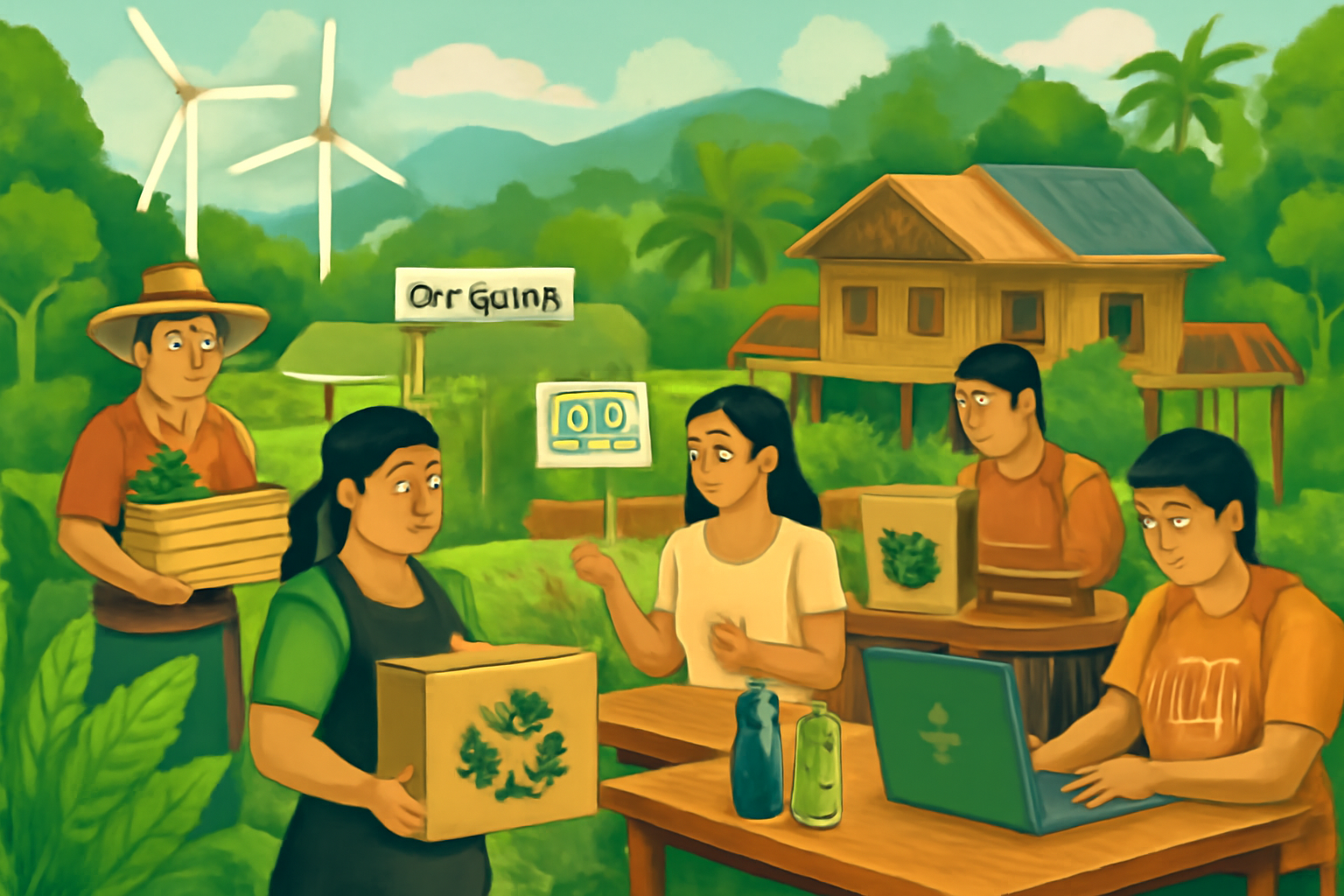

The Philippines has witnessed a rise in social entrepreneurship in recent years, with more entrepreneurs integrating social missions into their business models. This model blends profit generation with social impact, addressing key societal issues such as poverty, healthcare, and the environment. Filipino social entrepreneurs are using innovative business strategies to create sustainable solutions that benefit both the economy and society.
Social entrepreneurship provides an alternative to traditional business practices, which often prioritize profit over social good. The focus of social enterprises is to create positive social change while maintaining financial sustainability. In the Philippines, this approach has been crucial in addressing long-standing issues that have affected the country’s development.
Economic Empowerment through Social Enterprises
Social entrepreneurs in the Philippines are making a significant contribution to poverty alleviation by focusing on economic empowerment. Many of these ventures support local communities by creating employment opportunities, offering vocational training, and providing access to financial resources. One of the most well-known initiatives is Hapinoy, a social enterprise that works with micro-enterprises to provide resources such as marketing support and financial services to help businesses grow.
Another key example is Tahanan ng Pag-asa, which trains and supports marginalized women by providing them with skills in making handcrafted goods that are sold in local markets. These women are given the chance to escape poverty and become financially independent, positively impacting their families and communities.
Addressing Environmental Challenges
Social enterprises in the Philippines are also making an impact by addressing environmental challenges. The Philippines is one of the countries most vulnerable to the effects of climate change, with frequent typhoons and flooding. Social entrepreneurs are responding to these challenges with creative solutions, such as sustainable waste management systems and eco-friendly product lines.
Companies like Zafra Green are making strides in promoting sustainable agriculture and renewable energy, while others are developing new ways to recycle and reduce waste. Through these efforts, social enterprises are contributing to both environmental sustainability and job creation, which in turn boosts the local economy.
Innovation and the Role of Technology
One of the most significant aspects of Filipino social entrepreneurship is the use of innovation and technology to solve social issues. Bantay.ph, a platform that uses technology to monitor the quality of air in urban areas, is an example of how technology can address environmental challenges while providing information to the public about potential health risks.
These ventures demonstrate that social entrepreneurship in the Philippines is not only about providing products or services but also about changing the way people approach business and social responsibility. By leveraging technology, Filipino social entrepreneurs are creating scalable solutions that can make a global impact.