The Philippines faces a complex healthcare landscape marked by geographic fragmentation, uneven distribution of facilities, and significant out-of-pocket spending. In this context, health technology startups have emerged as creative problem-solvers, using digital tools to connect patients, providers, and payers in new ways. Their innovations are reshaping how Filipinos think about getting medical help.
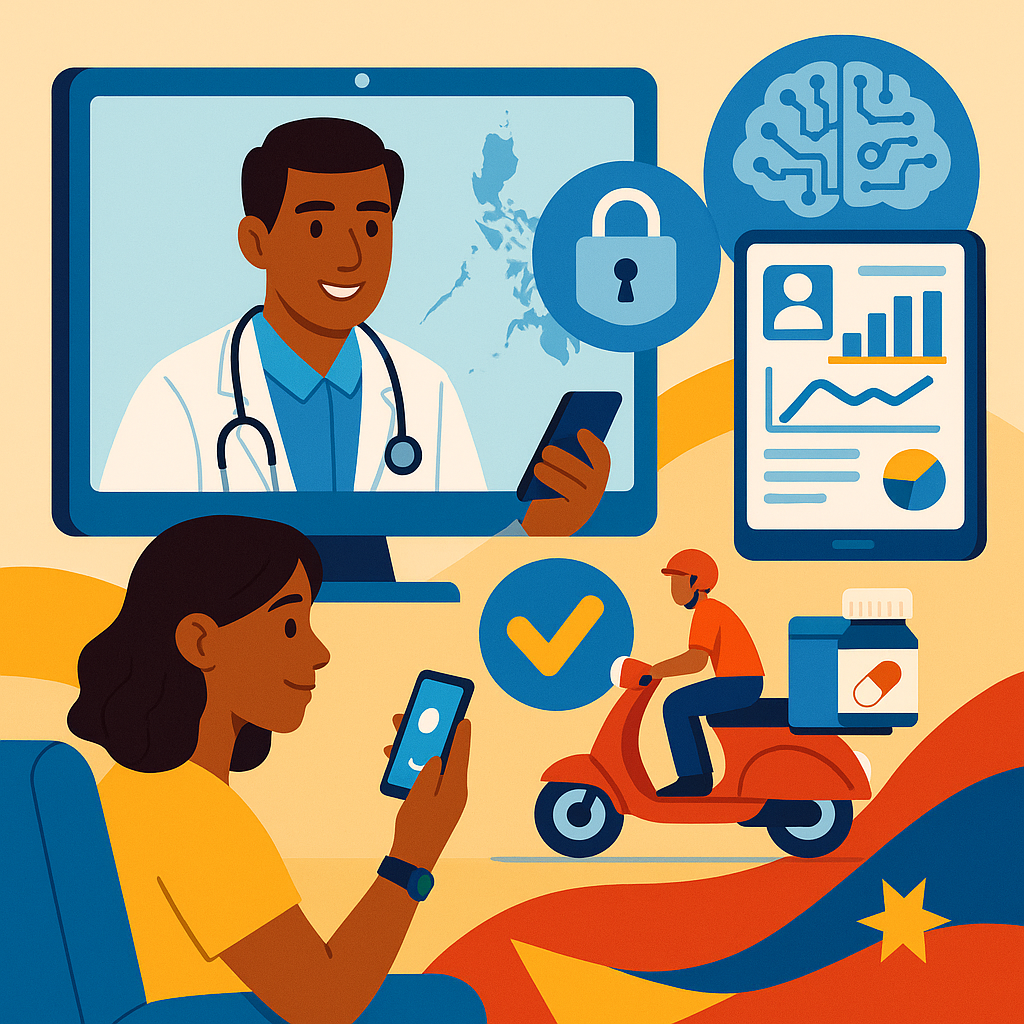
First, telemedicine ecosystems are turning the smartphone into a primary gateway to care. Philippine startups run platforms where patients can choose from a roster of licensed doctors, see consultation fees upfront, and receive care from home. Many services operate beyond regular clinic hours, which benefits shift workers and caregivers. Some telehealth providers also build dashboards for doctors, enabling them to review patient histories, monitor ongoing treatments, and manage follow-ups more efficiently.
Second, the rise of digital medication services is addressing long-standing issues around stock availability and accessibility. Online pharmacy startups aggregate products from accredited pharmacies and display real-time inventory. This helps patients avoid visiting multiple stores in search of a specific drug. Delivery partnerships ensure that even those in dense urban areas plagued by traffic can receive medicines quickly, while scheduled deliveries support those with mobility challenges or disabilities.
Healthtech innovation also extends into hospital and clinic operations. Local startups provide cloud-based systems for appointment scheduling, queue management, and electronic health records. By digitalizing these workflows, clinics can reduce manual paperwork, shorten waiting times, and minimize errors in documentation. Some platforms include analytics tools that allow administrators to see which services are most in demand and where bottlenecks occur.
Another area gaining attention is specialized digital platforms, such as those focused on maternal health, chronic disease management, or mental health support. These products often combine educational content with access to professionals, allowing users to track symptoms, receive reminders, and engage with support communities. For example, a diabetes-focused app might integrate glucose logging, diet recommendations, and direct messaging with healthcare providers.
From a financial perspective, tech-enabled insurance and payment solutions are trying to make healthcare more predictable. Startups that compare health plans, offer bite-sized insurance products, or integrate installment payments for medical bills are particularly relevant in a country where many people lack comprehensive coverage. By using user-friendly interfaces and clear language, these platforms demystify complex health financing options.
Yet, obstacles remain. Connectivity can still be unreliable in remote islands and mountainous regions, limiting the reach of purely digital offerings. Ensuring that solutions are usable for older patients or those with limited digital literacy requires careful design and, in some cases, hybrid online-offline models. Regulatory frameworks around telehealth and e-prescriptions continue to evolve, requiring startups to stay agile and sometimes adjust their services.
Even with these hurdles, the momentum behind healthtech in the Philippines is undeniable. Startups are learning to collaborate with public and private hospitals, local governments, and international partners. As these collaborations deepen, digital health tools are likely to become integrated into everyday care pathways—from the first symptom check on a mobile app to follow-up monitoring after a hospital stay. In doing so, Philippine healthtech startups are gradually transforming a fragmented system into one that is more connected, data-driven, and responsive to patient needs.