
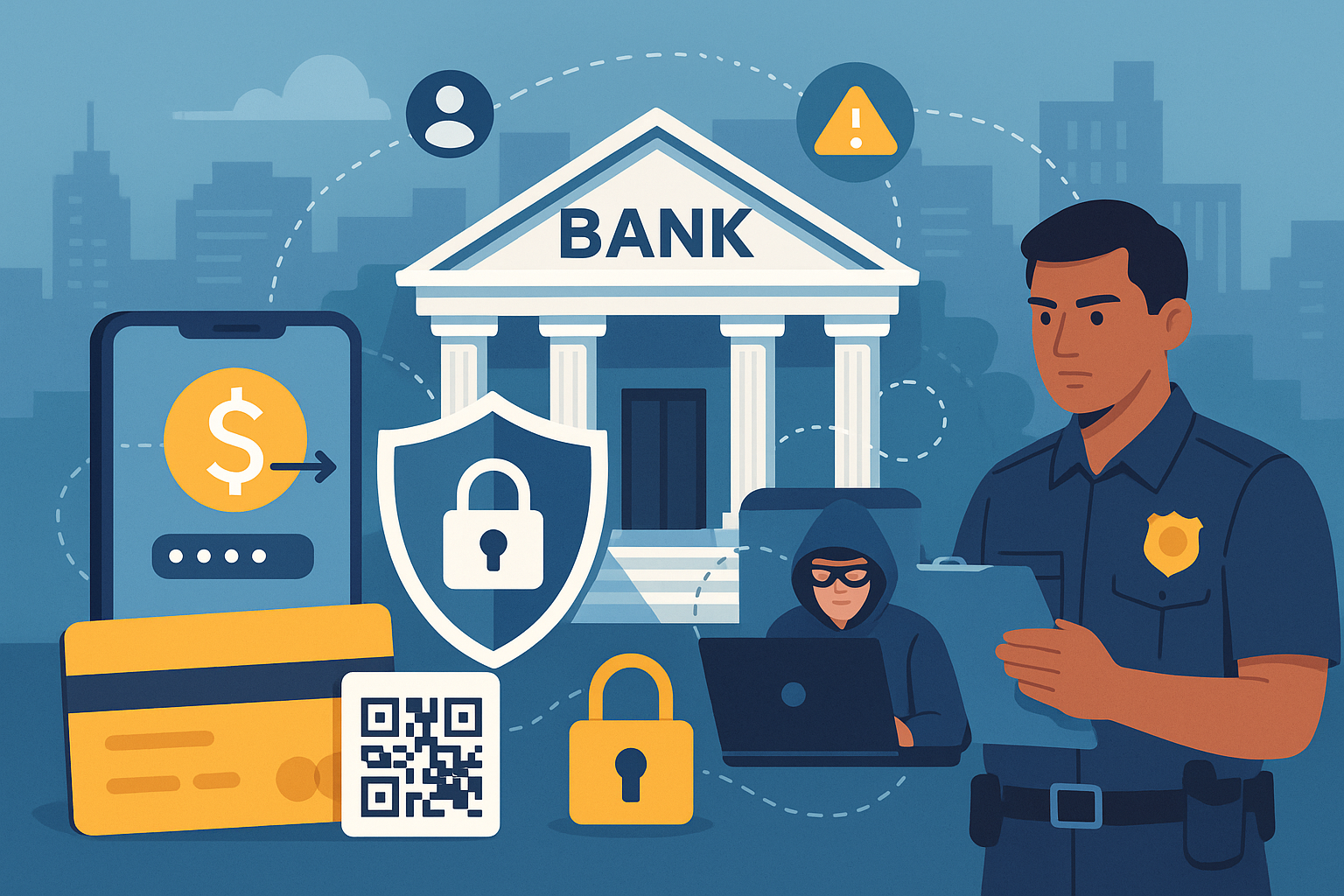
When discussing cybersecurity in Philippine banks, it is easy to focus on firewalls, encryption, and advanced monitoring tools. Yet many incidents still trace back to simple human errors or manipulations. This reality highlights a crucial truth: the human element can be either the greatest vulnerability or the strongest defense in a bank’s security posture.
Employees across all departments—tellers, relationship managers, IT staff, and executives—handle sensitive information daily. A hurried click on a malicious link, the use of weak passwords, or the casual sharing of credentials can undermine even the most sophisticated technical controls. In the Philippines, where personal communication styles tend to be warm and accommodating, social engineers can exploit politeness or respect for authority to persuade staff to bypass normal procedures.
To counter these risks, banks are intensifying their focus on security awareness and behavior change. Effective training goes beyond one-off seminars or online modules. Instead, it becomes a continuous program involving short reminders, practical tips, and simulated attacks. Phishing simulations, for instance, allow staff to practice spotting suspicious emails in a safe environment. Those who fall for tests receive targeted coaching, while teams that perform well can be recognized or rewarded.
Clear, practical policies are also essential. Employees must understand which devices they are allowed to use for work, how to handle confidential documents, and what steps to take if they suspect an incident. Policies should be written in accessible language, not just technical jargon, and reinforced by managers who lead by example. When executives visibly follow security rules—such as using MFA and avoiding unauthorized apps—it sends a powerful message to the rest of the organization.
Incident reporting culture is another critical factor. In some workplaces, staff may hesitate to report mistakes for fear of blame or punishment. Philippine banks seeking stronger cybersecurity encourage a different mindset: early reporting is seen as responsible behavior that helps protect customers and the institution. Anonymous reporting channels, open communication from leadership, and a focus on learning rather than blame all support this approach.
Processes that support secure operations need to be well-defined and regularly reviewed. Access management is a good example: employees should only have access to systems and data necessary for their roles, and access should be promptly removed when they change jobs or leave the organization. Regular audits can catch outdated privileges that might otherwise be abused by insiders or external attackers who compromise accounts.
Vendor and partner relationships further expand the human and process dimension. Outsourced call centers, IT support providers, and fintech partners may have significant access to banking systems or data. Ensuring that these third parties apply strong security practices, conduct background checks, and provide their own staff with training is part of a holistic defense strategy. Contractual clauses and periodic assessments can help maintain consistent standards across the extended ecosystem.
Customer education completes the picture. Many fraud cases involve customers unknowingly sharing one-time passwords, card details, or personal information with scammers posing as bank employees. Philippine banks increasingly use SMS alerts, social media campaigns, and in-app messages to remind users of basic safety rules: the bank will never ask for full PINs or OTPs, customers should only use official channels, and suspicious calls should be verified. Empowered customers become an additional line of defense against cybercrime.
In the end, cybersecurity in the Philippine banking sector is not just a technical race against hackers. It is a long-term effort to shape behaviors, strengthen processes, and build a culture where everyone understands their role in protecting information and systems. When technology, people, and procedures work together, banks stand a much better chance of resisting the growing wave of digital threats.