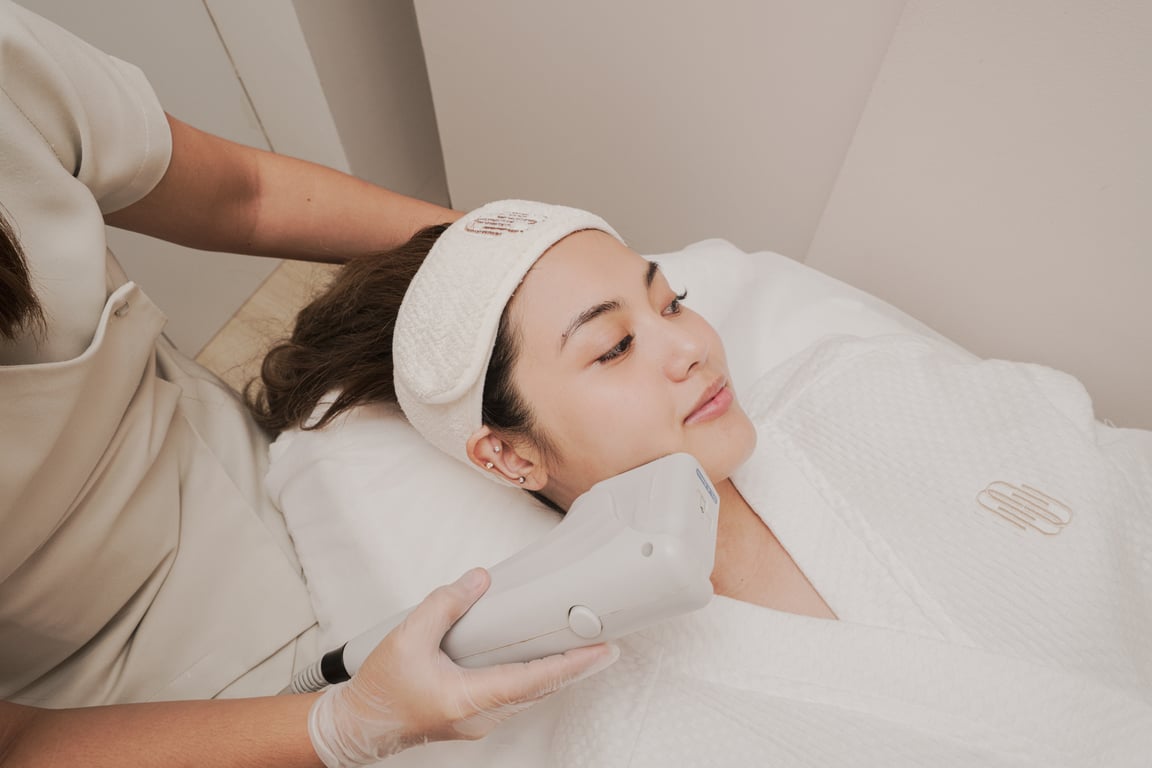
Quezon City, Metro Manila — As more Filipinos seek ways to address skin sagging and early signs of aging without surgery, non-surgical skin tightening treatments are rapidly gaining traction across the Philippines. Medical experts note that advances in energy-based technology now allow patients to achieve firmer, more lifted skin with minimal downtime—when performed under proper medical supervision.
This growing demand reflects a broader shift toward safer, science-backed aesthetic solutions that prioritize natural results over invasive procedures.
Why Patients Are Choosing Non-Surgical Skin Tightening
Skin laxity is a natural result of collagen and elastin loss over time, accelerated by sun exposure, stress, and lifestyle factors. Traditionally, surgical lifting was considered the primary solution. Today, however, many patients—especially those with mild to moderate sagging—are opting for non-surgical alternatives.
According to clinicians, these treatments appeal to patients who want:
• Gradual, natural-looking improvement
• Minimal recovery time
• Lower risk compared to surgery
• Preventive anti-aging solutions
How Non-Surgical Skin Tightening Works
Non-surgical skin tightening commonly uses radio frequency (RF) technology, which delivers controlled heat to the deeper layers of the skin. This process:
• Stimulates collagen contraction
• Encourages new collagen production
• Improves skin firmness over time
Results develop gradually over weeks to months, aligning with the body’s natural healing and regeneration cycle.
Medical Oversight Is Key, Experts Warn
While non-surgical treatments are often marketed as “simple” or “lunchtime procedures,” medical professionals caution that improper use of energy-based devices can lead to uneven results or skin complications.
“Skin tightening treatments may be non-surgical, but they are still medical procedures,” said Doc Donna, a senior physician at MOLD Manila and the incoming head of the clinic’s upcoming surgical division set to open in 2026.
“Proper patient assessment, correct energy settings, and an understanding of facial anatomy are critical. When done correctly, non-surgical skin tightening can significantly improve skin quality and firmness without altering natural facial movement,” she added.
Who Is an Ideal Candidate for Non-Surgical Skin Tightening?
Medical experts say these treatments are best suited for patients who:
• Have mild to moderate skin laxity
• Are beginning to notice sagging in the face or neck
• Want preventive anti-aging care
• Are not ready or eligible for surgical procedures
Patients with advanced skin laxity may still benefit from non-surgical treatments as part of a broader, staged treatment plan.
Why Combination Treatment Plans Deliver Better Results
Rather than relying on a single session, clinician-led clinics often integrate skin tightening with complementary treatments such as laser resurfacing or facial rejuvenation therapies. This layered approach supports both surface skin quality and deeper structural firmness.
According to industry professionals, this strategy leads to:
• More balanced, natural outcomes
• Improved skin texture and tone
• Longer-lasting results
The Rise of Medical-Grade Aesthetic Clinics in Quezon City
Quezon City has become a focal point for advanced non-surgical aesthetics in Metro Manila, driven by increased patient awareness and demand for medical-grade care.
Clinics like MOLD Manila emphasize:
• Doctor-led consultations
• FDA-cleared, medical-grade technology
• Personalized treatment planning
• Ethical recommendations based on patient needs
This approach aligns with global standards in aesthetic medicine and reflects the industry’s movement toward accountability and clinical excellence.
Looking Ahead: Bridging Non-Surgical and Surgical Aesthetics
With the planned opening of its surgical clinic in 2026, MOLD Manila is positioning itself to offer a full spectrum of aesthetic care—from non-invasive treatments to advanced surgical options—under unified medical leadership.
“This integration allows us to guide patients honestly,” Doc Donna noted. “Sometimes non-surgical treatments are enough. Other times, surgery may eventually be the better option. What matters is giving patients clear, medically sound guidance at every stage.”
This press release has also been published on VRITIMES