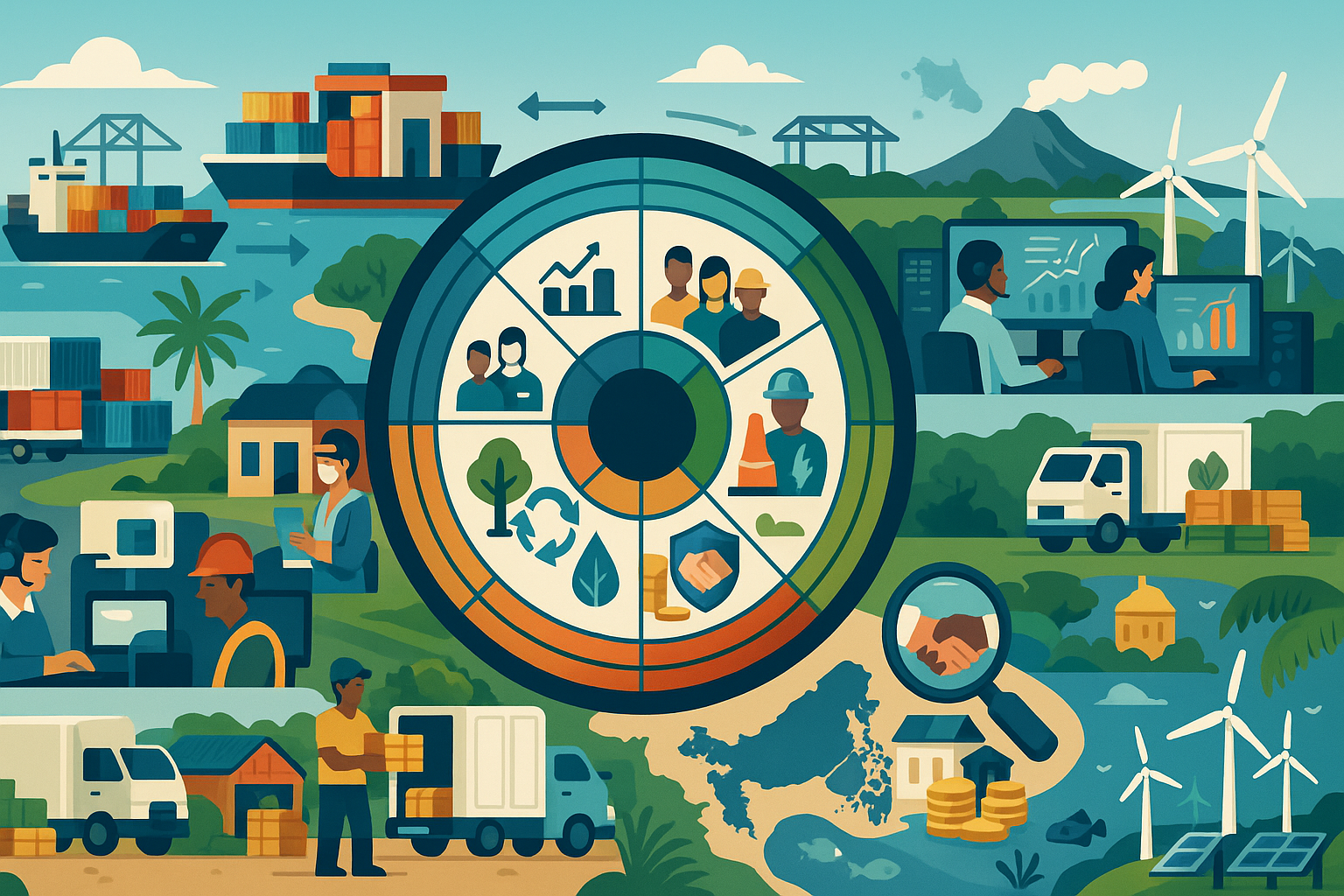

The Philippine startup ecosystem has been gaining increasing attention from global investors and entrepreneurs in recent years. With a fast-growing digital economy, a young and innovative workforce, and robust government support, the country is emerging as a hub for entrepreneurial activity in Southeast Asia. Startups in the Philippines are thriving, with several sectors seeing remarkable growth.
Key Trends Defining the Philippine Startup Ecosystem
One key trend is the rise of tech-enabled startups that focus on improving services traditionally offered in sectors like finance, healthcare, and education. These tech-savvy entrepreneurs are harnessing the power of digital tools to disrupt legacy industries and offer solutions that are more convenient, affordable, and accessible.
Another trend is the growing presence of investors, both local and international, who are eager to back innovative Filipino startups. This influx of funding has accelerated the growth of the startup scene, with more capital being poured into industries such as fintech, e-commerce, and agritech.
Sectors Driving Growth in the Philippine Startup Ecosystem
- Fintech and Digital Payments: The fintech space has experienced explosive growth in the Philippines, driven by the need for accessible financial services. With millions of unbanked individuals, startups offering mobile wallets, peer-to-peer lending platforms, and digital banking services are meeting the demand for financial inclusion. Companies like PayMaya and Coins.ph have been instrumental in creating a more inclusive financial ecosystem.
- E-commerce Expansion: E-commerce is another booming sector, as more consumers turn to online shopping for its convenience and variety. Online platforms that offer everything from consumer goods to food delivery services are seeing significant growth. Companies like Lazada and Shopee have made a mark, with new startups offering innovative ways to enhance the shopping experience.
- Healthtech Innovations: The pandemic underscored the importance of accessible healthcare, leading to a surge in healthtech startups. From telemedicine to wellness apps, companies are providing Filipinos with more efficient healthcare options. Startups like AIDE and Salarium are using technology to bridge gaps in the healthcare system, offering services that improve patient care and reduce costs.
- Agricultural Technology: Agritech startups are gaining ground in the Philippines as they tackle the inefficiencies in the agriculture sector. By using technology to optimize farming practices, these startups are helping Filipino farmers increase yields, reduce costs, and improve sustainability. Companies like Farmers’ Market and Cropital are revolutionizing the agricultural industry with cutting-edge solutions.
- Educational Technology: Edtech is rapidly evolving in the Philippines, with online learning platforms and educational tools gaining popularity. The demand for more flexible and accessible learning solutions has given rise to a wave of innovative startups. Companies like Khan Academy Philippines and Edukasyon.ph are helping shape the future of education in the country.
Impact of Government and Investor Support
The government plays a crucial role in supporting the startup ecosystem by providing a favorable regulatory environment and offering incentives for innovation. Several government initiatives have been launched to promote entrepreneurship, including funding programs and tax breaks. Furthermore, private investors are increasingly backing Filipino startups, attracted by the country’s growing economy and young, tech-savvy population.
In conclusion, the Philippines’ startup ecosystem is undergoing significant growth, driven by technological innovation, investment, and government support. With promising sectors like fintech, e-commerce, and healthtech, the future of startups in the country looks brighter than ever.