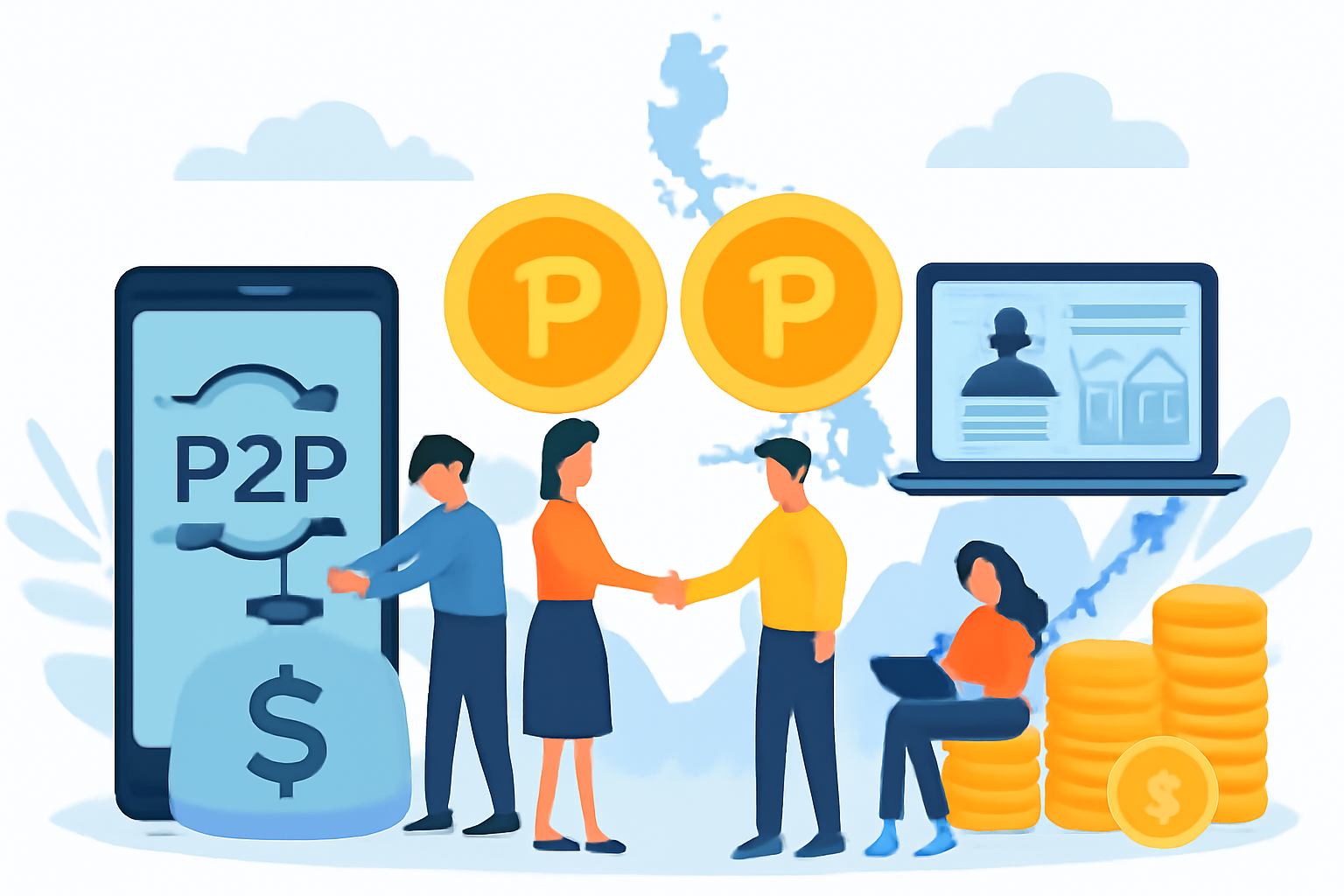
In recent years, Peer-to-Peer (P2P) lending has gained traction in the Philippines as an alternative investment vehicle. This innovative financial model allows investors to lend money directly to individuals or businesses in need of capital, bypassing traditional financial institutions. As the Philippines’ fintech landscape evolves, P2P lending presents both substantial opportunities and significant challenges for investors.
Opportunities in P2P Lending
- Attractive Returns on Investment:
One of the most appealing aspects of P2P lending is the potential for high returns. Traditional savings accounts or bonds in the Philippines typically offer low returns, whereas P2P lending platforms can provide yields of up to 18% or more. These higher returns can be particularly attractive to investors seeking to grow their capital more aggressively. - Catering to the Unbanked Market:
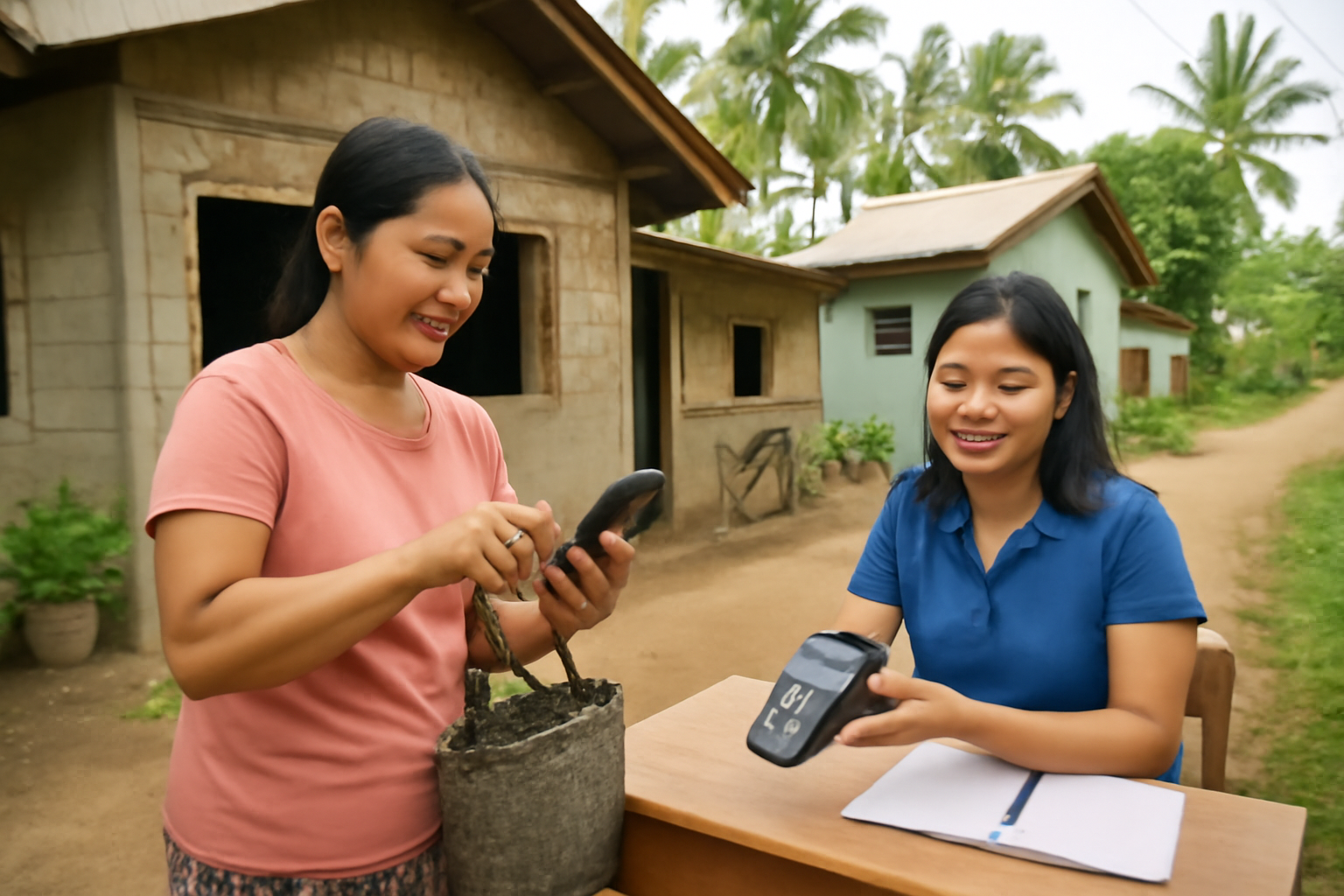
The Philippines has a large unbanked population, with millions of Filipinos unable to access formal financial products due to factors like geographic location or lack of credit history. P2P lending platforms help bridge this gap by offering loans to these underserved borrowers. Investors who participate in this market can help promote financial inclusion while earning a return on their investments. - Diversifying Your Investment Portfolio:
P2P lending offers a unique way to diversify an investment portfolio. By adding loans to various borrowers or sectors, investors can spread risk and reduce their dependence on traditional equity or bond markets. Diversifying within the P2P lending space itself—by lending to different types of borrowers—further helps manage risk.
Challenges for P2P Lending Investors
- Default Risk:
The risk of borrower default is a significant concern for P2P investors. Many borrowers in the Philippines may have limited or no credit history, making it difficult to assess their ability to repay loans. Although platforms use various risk mitigation strategies, defaults are still a real possibility. Investors should be prepared for the possibility that some loans may not be repaid in full. - Regulatory Ambiguities:
The regulatory environment surrounding P2P lending in the Philippines is still evolving. While regulators have made efforts to address the sector, the absence of a clear and comprehensive legal framework creates uncertainty for investors. Future regulatory changes could impact platform operations and the terms of lending agreements, which could affect returns and overall market stability. - Platform Reliability and Transparency:
Not all P2P lending platforms are created equal. Some platforms may lack transparency in their operations or may not have the financial stability required to ensure reliable service. Investors should conduct thorough research before choosing a platform, looking for a proven track record, clear communication, and transparent risk management practices. - Liquidity Concerns:
Liquidity is a significant issue in P2P lending. Once funds are invested in a loan, they are typically locked in until the loan is repaid. If an investor needs to access their funds early, they may face difficulties selling their investment. As such, P2P lending is better suited for investors with a long-term investment horizon who are willing to accept limited liquidity.
Looking Ahead
The P2P lending market in the Philippines is poised for growth. With the increasing adoption of digital financial services and the government’s focus on financial inclusion, the sector is expected to become more attractive to both local and international investors. However, as the market matures, investors must be vigilant about the risks involved, including the potential for borrower defaults and regulatory changes.
By conducting due diligence, diversifying investments, and staying informed about market developments, investors can navigate the challenges and take advantage of the opportunities presented by P2P lending in the Philippines.