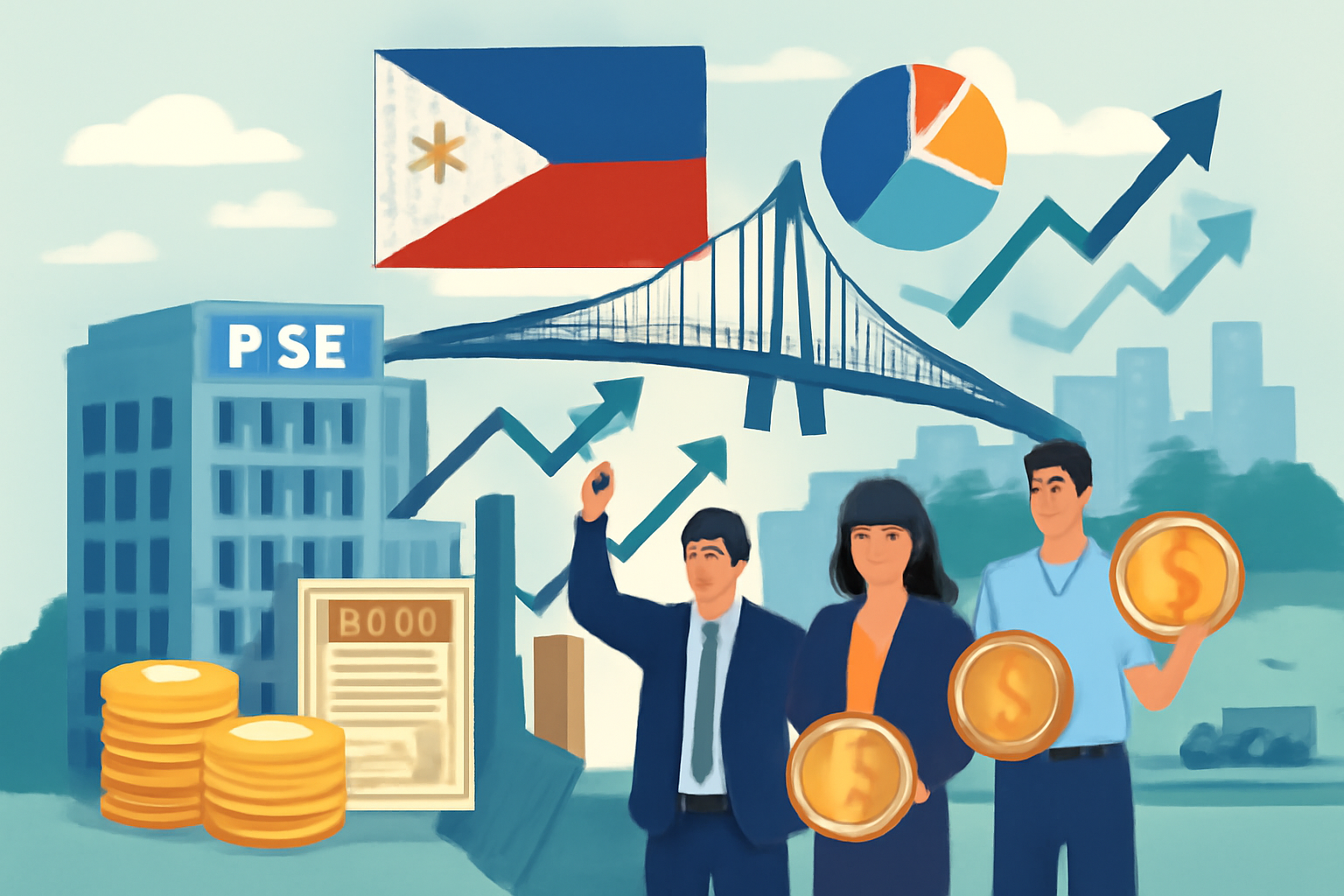
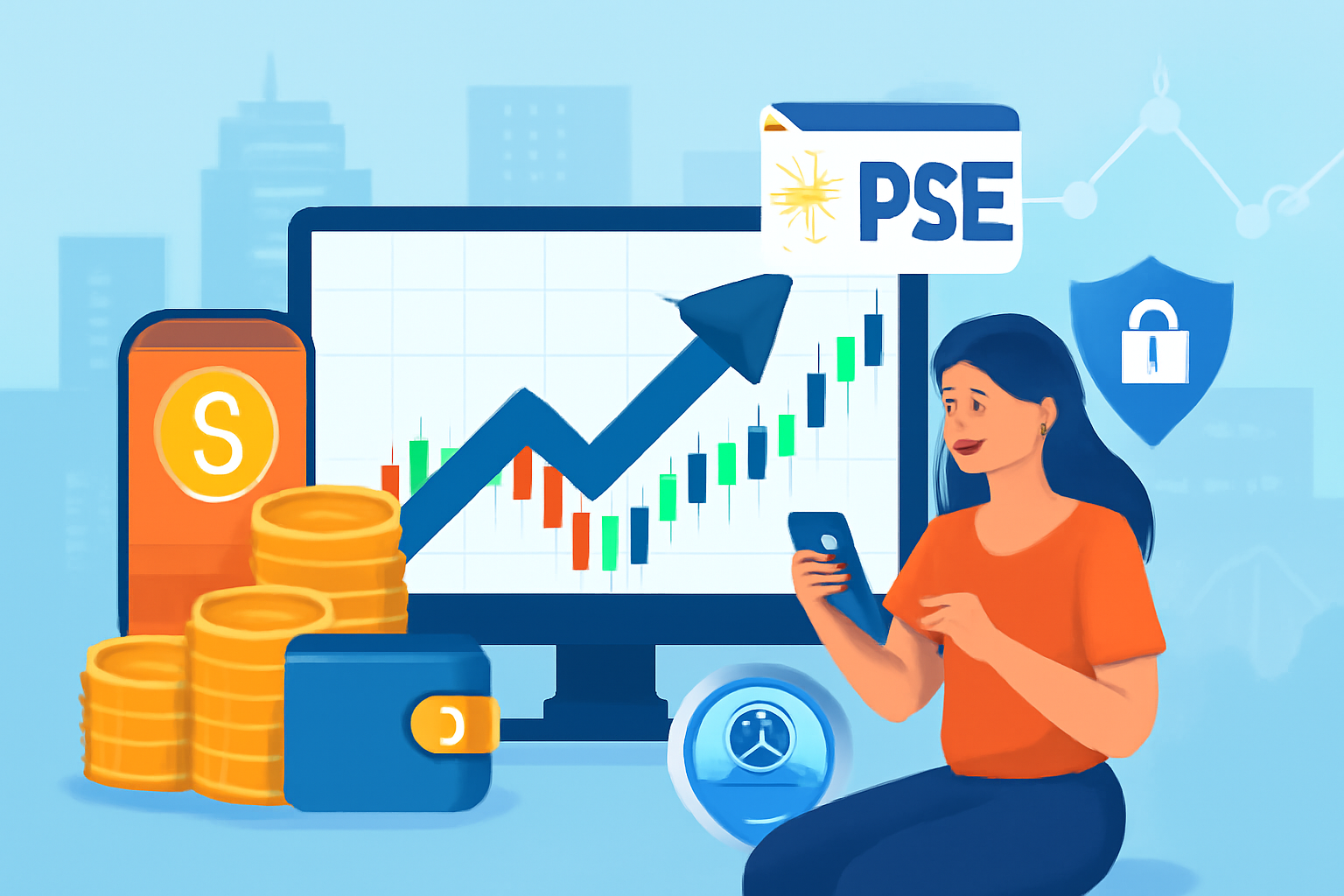
The Philippines’ stock market is experiencing a significant shift, largely driven by the rapid adoption of digital technologies and financial technology (fintech). These changes are not only enhancing the convenience of investing but also contributing to a broader demographic of people participating in the market.
One of the key factors behind this shift is the rise of online trading platforms. These platforms allow investors to buy and sell stocks without the need for a traditional brokerage. In the past, investing in the stock market required in-person meetings or phone calls with brokers. Today, anyone with an internet connection can access the market and begin trading. This convenience has helped make stock market investing more appealing, particularly to younger generations who are comfortable using digital platforms.
Additionally, mobile apps have played a crucial role in the democratization of stock market access. With just a smartphone, anyone can check stock prices, execute trades, and manage their portfolio, making it easier for even first-time investors to get involved. These platforms have significantly reduced the barriers to entry, giving individuals who might not have had the time or resources to engage with the market in the past the opportunity to do so.
The Philippine Stock Exchange (PSE) has also made efforts to modernize its systems. By implementing more efficient trading technologies, the PSE has improved transaction speeds and market transparency. As a result, the stock exchange has become more competitive and attractive to both local and foreign investors.
At the same time, fintech innovations like robo-advisors are changing the way investors approach the market. These digital platforms use algorithms to provide personalized investment advice, helping individuals to build a diversified portfolio based on their financial goals. Robo-advisors are particularly attractive to those who are new to investing, as they make it easier to get started without needing expert knowledge or large amounts of capital.
Mobile wallets and digital banking services are also playing an important role in simplifying the investing process. These services allow individuals to easily transfer money into their trading accounts, which streamlines the entire investment process. This ease of use is likely to drive even greater participation in the stock market, as more Filipinos take advantage of the convenience offered by these digital payment systems.
However, the increased reliance on digital platforms also raises concerns about security and financial literacy. As the number of people trading online grows, so too does the risk of cyber threats. Both the government and the private sector must invest in secure technologies and systems to protect investor data and ensure the integrity of the market.
Moreover, while digital platforms make it easier to invest, many Filipinos still lack a deep understanding of the stock market. To address this, financial education programs are critical in helping people make informed decisions and avoid costly mistakes. The government and private sector should continue to collaborate on initiatives that promote financial literacy, ensuring that all investors, regardless of experience, can navigate the market confidently.
Overall, the digital and fintech transformations are helping the Philippine stock market become more accessible, efficient, and inclusive. By lowering barriers to entry and introducing innovative technologies, the market is positioned for growth in the coming years. However, careful attention must be paid to financial literacy and cybersecurity to ensure that all investors can participate safely and confidently.