
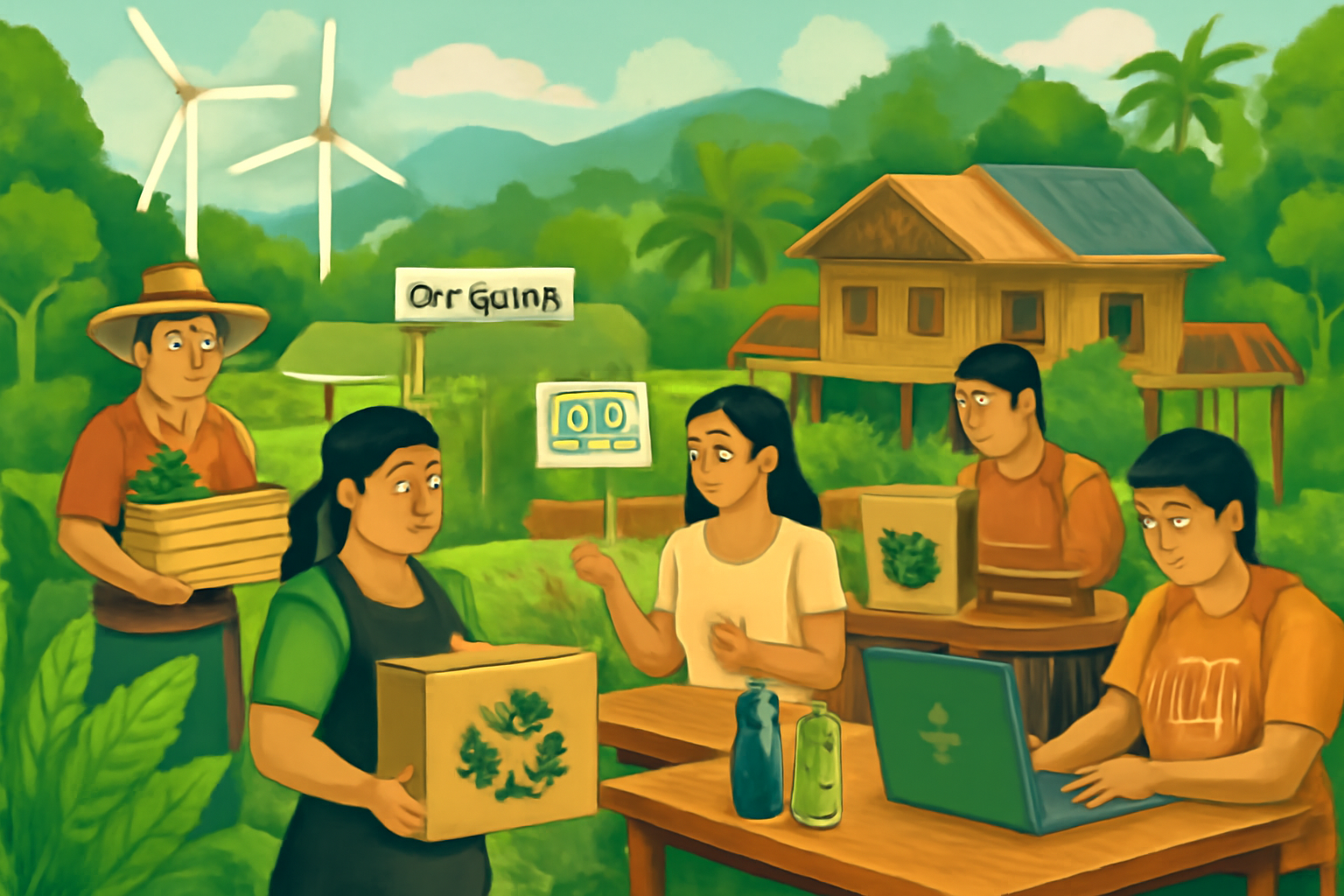
The growing concern over climate change and environmental degradation is reshaping the global economy. In the Philippines, sustainability is becoming an essential aspect of business strategy, and Micro, Small, and Medium Enterprises (MSMEs) are well-positioned to capitalize on this green transformation. By adopting sustainable business practices, MSMEs can not only reduce their environmental impact but also benefit from new market opportunities, cost savings, and improved brand loyalty.
The Philippines is highly susceptible to the impacts of climate change, including extreme weather events like typhoons and floods. As a result, sustainability is no longer just a trend but a necessity for businesses to ensure long-term success. MSMEs that prioritize sustainability can play a pivotal role in mitigating the environmental risks associated with climate change, while also reaping the economic rewards of more efficient, eco-friendly operations.
A growing segment of Filipino consumers is now placing greater value on sustainable products and services. From organic foods to recyclable packaging, customers are increasingly seeking out businesses that align with their environmental values. MSMEs that offer eco-friendly products and services can attract these consumers, expand their market reach, and establish a loyal customer base. Additionally, businesses that reduce their environmental footprint can lower costs associated with waste disposal, energy consumption, and raw material procurement.
Renewable energy adoption is another area where MSMEs in the Philippines can benefit. The country’s geographic location provides abundant opportunities for solar, wind, and geothermal energy. By investing in renewable energy sources, MSMEs can reduce their reliance on the national power grid, lower energy costs, and enhance their environmental credentials. For businesses located in rural areas, renewable energy can offer a more stable and cost-effective solution for power generation.
Sustainable agriculture is also a key opportunity for MSMEs, particularly given the country’s agricultural landscape. By adopting practices such as organic farming, water conservation, and eco-friendly pest control, small agricultural businesses can increase their productivity and reduce their environmental impact. With growing demand for organic products both locally and internationally, MSMEs in the agricultural sector can capitalize on this trend and expand their market presence.
Finally, sustainable supply chains are becoming increasingly important to businesses in the Philippines. MSMEs that integrate ethical sourcing, reduce waste, and minimize the environmental impact of their supply chains can improve their reputation and attract eco-conscious consumers. Additionally, businesses that ensure fair labor practices and sustainable sourcing can build stronger relationships with suppliers and customers alike.
To support MSMEs in their sustainable endeavors, the Philippine government offers various incentives, including financial assistance, tax breaks, and grants. These programs help offset the initial costs associated with adopting sustainable practices, making it easier for small businesses to transition to greener models.
In summary, the growing trend towards sustainability in the Philippines presents vast opportunities for MSMEs. By embracing eco-friendly products, renewable energy, sustainable agriculture, and responsible supply chains, small businesses can strengthen their operations and contribute to the country’s green future.