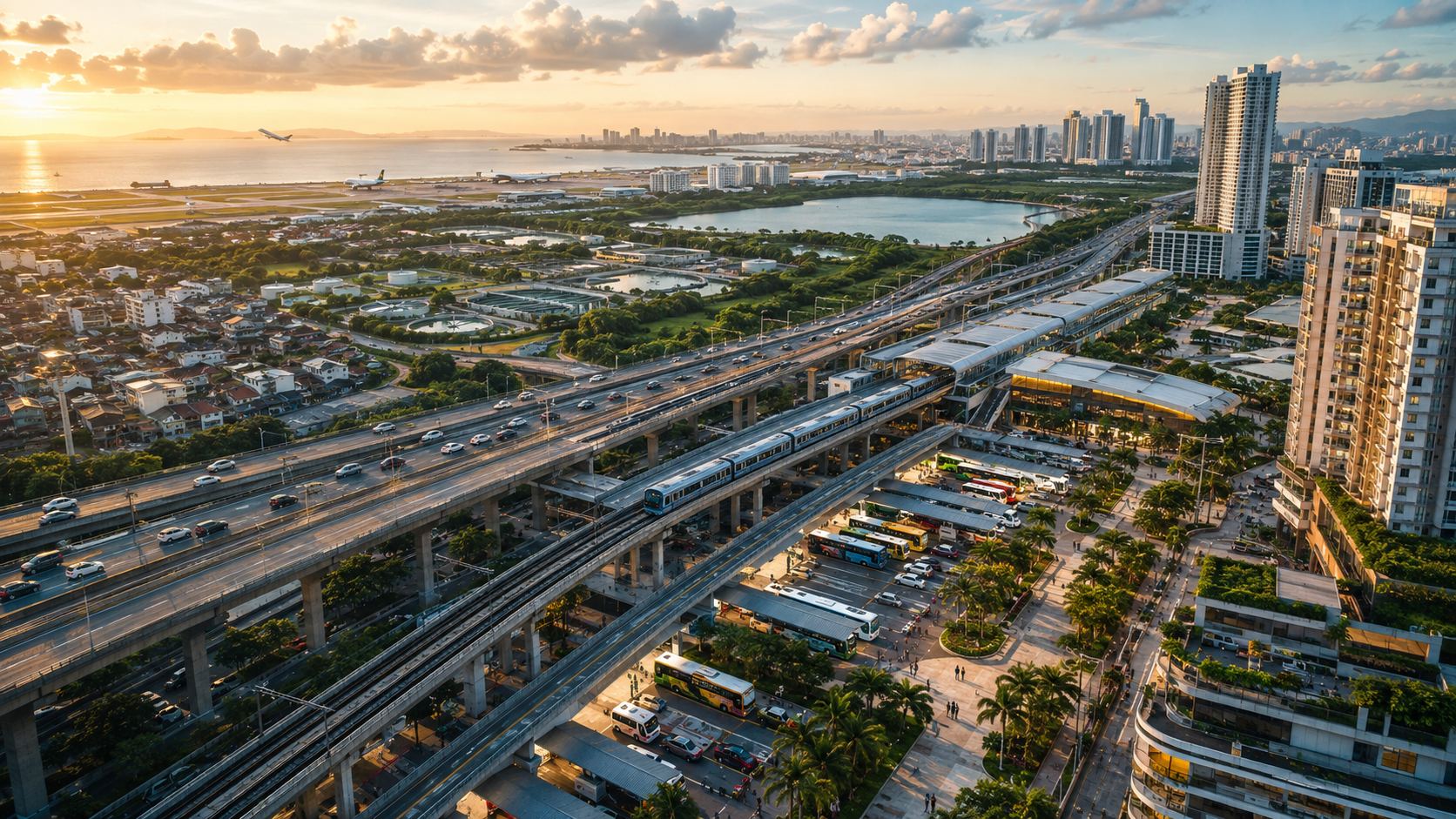
The Philippines is in the midst of its most ambitious rail expansion in decades. Three mega-projects—the Metro Manila Subway, MRT-7, and the North-South Commuter Railway (NSCR)—are converging to redefine how millions of Filipinos move across Luzon. In 2026, these initiatives are transitioning from construction sites to operational realities, albeit with delays and cost adjustments.
MRT-7: The Long-Awaited Link to Bulacan
The Metro Rail Transit Line 7 (MRT-7), a 22-kilometer railway connecting Quezon City to San Jose del Monte, Bulacan, has been under construction for years. As of 2026, partial operations are anticipated, with full completion targeted for later in the decade.
For residents of Bulacan, MRT-7 represents a lifeline. The province has long relied on buses and jeepneys that crawl along Commonwealth Avenue. Once operational, MRT-7 is expected to cut travel time from San Jose del Monte to Quezon City from two hours to under thirty minutes.
The project, implemented by San Miguel Corporation, integrates a 14-station alignment with intermodal terminals, bike lanes, and pedestrian walkways. Fares are expected to be competitive with existing rail lines.
Metro Manila Subway: Underground Ambitions
The Metro Manila Subway, the country’s first underground mass transit system, continues to progress. Spanning 33 kilometers and 17 stations from Valenzuela to Pasay, the subway is designed to carry up to 370,000 passengers daily.
By 2026, tunnel boring machines have completed significant segments, and station construction is underway. Partial operations are projected for the late 2020s, though full completion may stretch beyond 2030.
Integration with Existing Lines
The subway’s potential impact is immense. It will bypass surface congestion entirely, offering a reliable alternative for commuters traveling between northern and southern Metro Manila. Integration with existing LRT and MRT lines, as well as the NSCR, will create a seamless rail network.
North-South Commuter Railway: Connecting Regions
The NSCR, a 147-kilometer railway linking Clark, Pampanga, to Calamba, Laguna, is arguably the most transformative. Funded in part by the Asian Development Bank (ADB) and the Japan International Cooperation Agency (JICA), the NSCR will provide high-capacity commuter service across Central Luzon and Calabarzon.
In 2026, construction is in full swing. Once completed, the NSCR will reduce travel time from Clark to Manila from three hours to under one hour. It will also connect to the upcoming Clark International Airport terminal, facilitating seamless air-rail transfers.
Challenges and Criticisms
Despite progress, challenges persist. Right-of-way acquisition, utility relocation, and coordination among agencies have caused delays. Cost overruns are a recurring concern. Some critics argue that rail projects alone cannot solve Metro Manila’s mobility crisis without complementary policies like congestion pricing and stricter land-use planning.
For official updates on these projects, the Department of Transportation’s website (https://dotr.gov.ph) provides project dashboards and timelines.
The Commuter’s Perspective
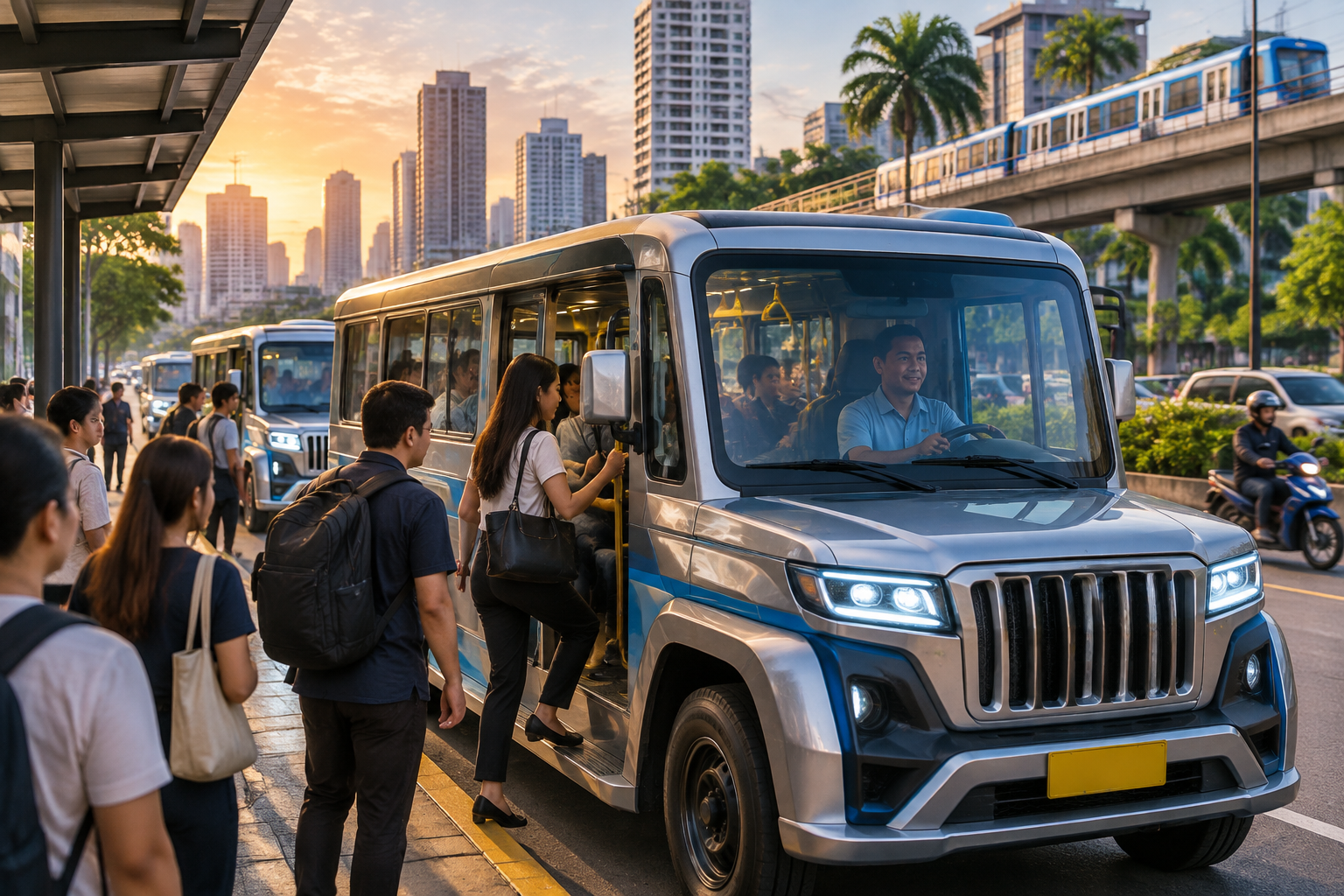
For everyday commuters, the rail renaissance is both promising and frustrating. Promising because it signals a future with faster, more reliable journeys. Frustrating because that future is not yet here. In the interim, commuters continue to endure crowded buses, unpredictable jeepney schedules, and endless traffic.
Yet, the direction is clear. The Philippines is investing heavily in rail as the backbone of its transport strategy. If executed well, these projects will not only ease congestion but also spur economic growth, reduce emissions, and improve quality of life.