
The Philippines’ exposure to typhoons, floods, earthquakes, volcanic activity, and landslides makes disaster resilience a critical area of corporate social responsibility. Businesses are affected when employees are displaced, transportation networks are interrupted, suppliers cannot operate, and customers lose access to essential services.
For this reason, corporate disaster programs are gradually expanding beyond the distribution of food packs. Leading companies are using logistics networks, telecommunications infrastructure, retail locations, engineering capabilities, and community partnerships to support preparedness and long-term recovery.
Why Corporate Resources Matter During Emergencies
Government agencies and humanitarian organizations lead disaster-response efforts, but private companies can provide resources that are difficult to mobilize quickly.
Retailers can use warehouses and distribution systems. Telecommunications companies can support emergency connectivity. Food manufacturers can provide essential products. Banks and digital-payment providers can help transfer assistance to affected families.
Corporate involvement is most effective when it complements local disaster plans instead of creating a separate, publicity-driven response.
PLDT and Smart: Connectivity as Emergency Infrastructure
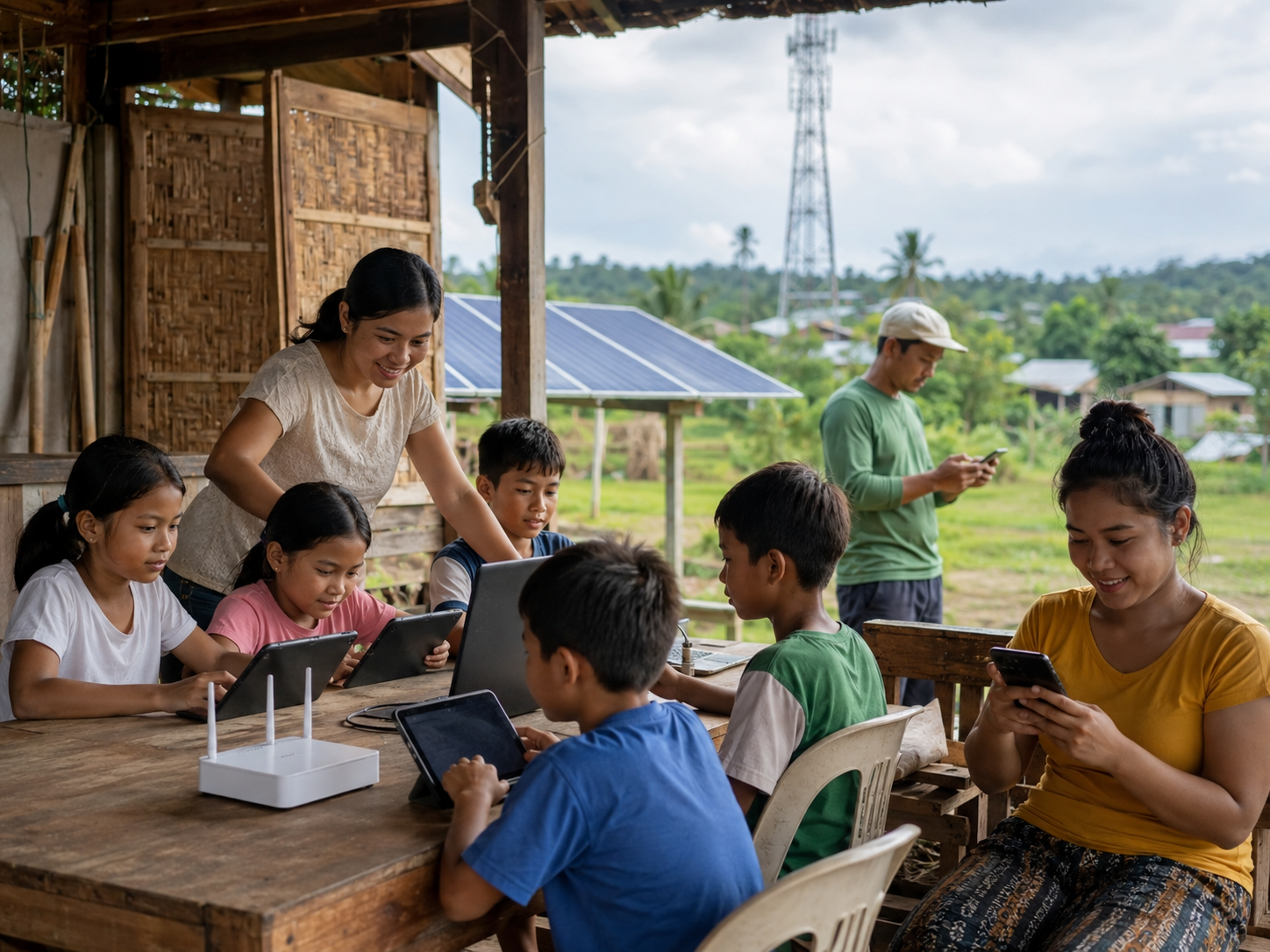
During a major disaster, communication can be as important as food and shelter. Families need to contact relatives, local authorities must coordinate rescue operations, and humanitarian groups require reliable information from affected areas.
PLDT and Smart have developed social-impact initiatives connected to emergency communications, digital inclusion, education, and community preparedness. Their role illustrates how a telecommunications company can use its core expertise as part of CSR.
The company’s broader environmental and social commitments can be explored through the official PLDT sustainability page.
Beyond Free Charging Stations
Free calls, charging facilities, and temporary communication services can provide immediate support. However, long-term resilience requires stronger infrastructure, backup power systems, community training, and procedures for restoring service rapidly.
Telecommunications providers can also work with schools and local governments to teach residents how to identify reliable emergency information and avoid online misinformation during crises.
SM Group: Using Commercial Spaces for Community Support
SM’s nationwide mall network gives the group a significant physical presence in urban and provincial communities. During disasters, large commercial facilities can potentially support donation drives, relief coordination, information campaigns, and temporary community services.
SM Foundation’s work in education, healthcare, and community assistance also helps strengthen social systems before emergencies happen. Healthy, educated, and economically stable communities are generally better positioned to recover from disasters.
San Miguel Corporation: Logistics and Essential Supplies
San Miguel’s operations across food, beverages, energy, fuel, packaging, and infrastructure provide access to transportation resources and essential products. These capabilities can support large-scale relief distribution.
The more strategic opportunity, however, lies in prevention. Infrastructure and industrial companies can contribute to resilient housing, flood-risk reduction, responsible water management, environmental restoration, and safer community facilities.
Jollibee Group: Food Networks and Local Recovery
Food companies play an immediate role when families are displaced or public services are interrupted. Jollibee Group and its foundation can mobilize food resources while working with partner organizations familiar with local needs.
Its farmer-development activities also have disaster-recovery relevance. Farmers with stronger organizations, diversified buyers, and better business planning may be more capable of recovering after crop losses or market disruptions.
Ayala: Coordinating Multiple Business Capabilities
Ayala’s diversified portfolio offers an opportunity to combine telecommunications, healthcare, banking, water services, and property expertise. A coordinated response can address communication, medical assistance, financial access, and infrastructure needs at the same time.
From Relief Distribution to Resilience
A credible disaster-related CSR strategy should operate before, during, and after an emergency. Preparedness training, risk mapping, resilient infrastructure, employee protocols, and community partnerships should be established before a typhoon or earthquake occurs.
Companies should also publish clear information about donations, beneficiaries, partner organizations, and recovery outcomes. This helps prevent duplication, improves accountability, and ensures that corporate assistance reaches communities with the greatest need.