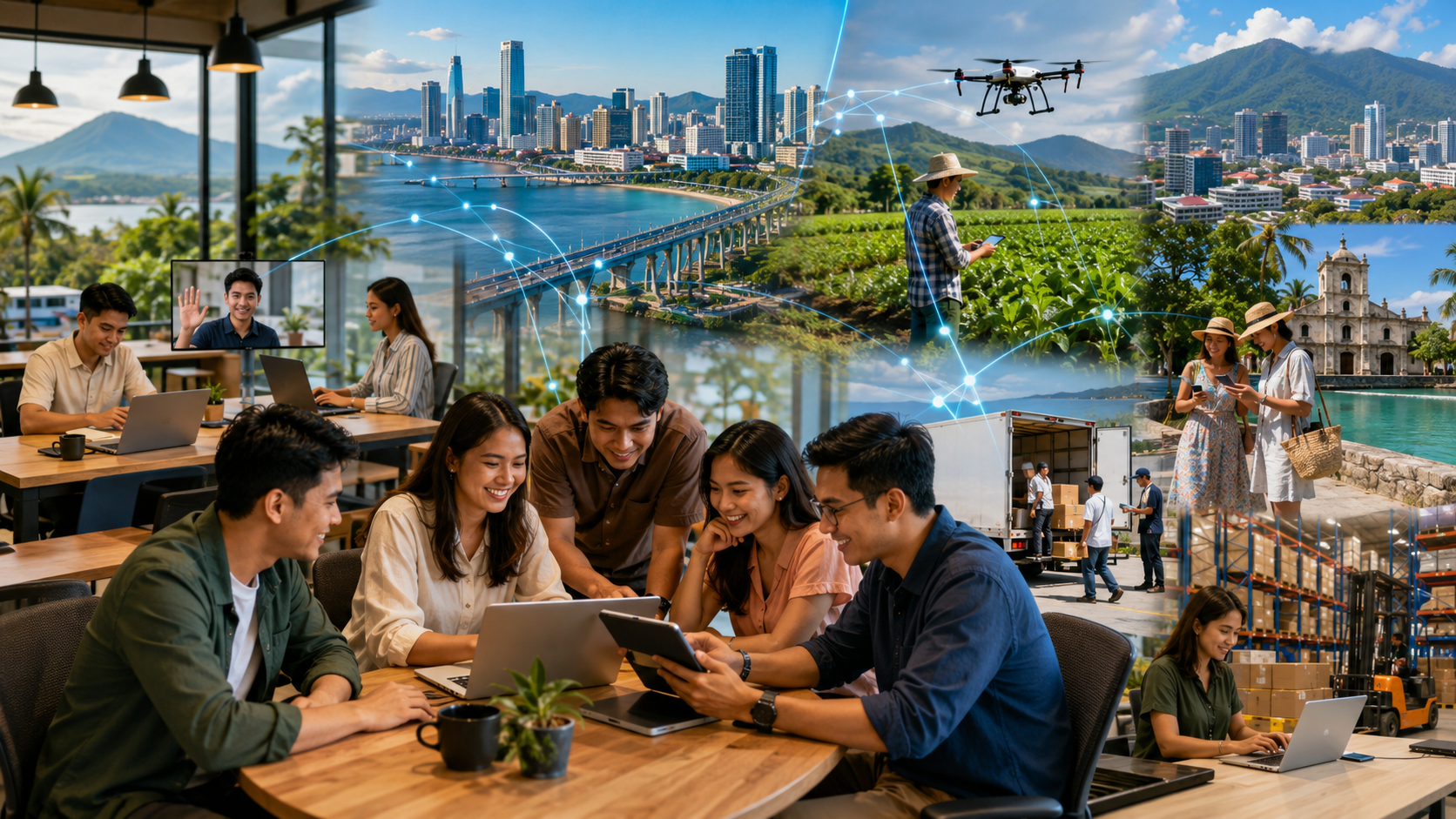
The Philippines offers technology startups a market filled with both opportunity and complexity. More than 7,000 islands, uneven infrastructure, congested urban centers, and thousands of small merchants make the delivery of goods and financial services difficult. Industry 4.0 technologies are helping startups transform these structural challenges into scalable business opportunities.
Digital payments, cloud-based commerce systems, location data, automated warehousing, and predictive analytics are becoming interconnected parts of the same economic ecosystem. A consumer can discover a product through social media, pay through a mobile wallet, and track the delivery through a logistics application. Each stage creates room for specialized startups.
Fintech Is Providing the Transaction Layer
Digital finance is one of the most visible areas of Philippine technology innovation. Mobile wallets and digital banks have expanded the number of people who can make electronic payments without relying on traditional branch-based banking.
For startups, this digital-payment infrastructure reduces friction. E-commerce platforms can collect payments more efficiently, subscription companies can automate billing, and small merchants can maintain electronic transaction histories.
These records can later support credit assessment, business analytics, or insurance products. As a result, fintech is no longer a separate industry; it is becoming the transaction layer underlying retail, transport, entertainment, employment, and online services.
The Bangko Sentral ng Pilipinas has promoted the broader digitalization of payments through its financial-inclusion and digital-transformation initiatives. Information about its digital finance programs is available from the Bangko Sentral ng Pilipinas.
E-Commerce Is Moving Beyond Large Marketplaces
The next stage of Philippine e-commerce is not limited to major online marketplaces. Smaller technology providers are creating tools that help merchants manage product listings, customer messages, inventory, payments, and deliveries across several channels.
Social commerce reflects local behavior
Many Filipino sellers operate through Facebook, Instagram, TikTok, messaging applications, and community-based groups. Startups that integrate these fragmented channels can help merchants avoid manual recordkeeping and missed orders.
Social commerce also demonstrates why local market knowledge matters. A platform designed for formal retailers may not work effectively for home-based sellers who communicate through chat, accept several payment methods, and arrange deliveries individually.
Digital tools for neighborhood stores
Sari-sari stores remain important distribution points in many communities. Technology companies can provide these merchants with inventory monitoring, electronic payments, wholesale ordering, and sales analytics.
Digitizing small retailers creates useful market data while helping store owners make better purchasing decisions. It can also connect consumer-goods companies more directly with previously fragmented retail networks.
Logistics Technology Addresses Geographic Fragmentation
Delivering products across an archipelago involves multiple handoffs between warehouses, trucks, ports, motorcycles, and local couriers. Poor visibility at any stage can cause delays and higher costs.
Logistics startups are responding with route optimization, digital shipment management, warehouse software, automated customer updates, and data-based demand forecasting. Companies such as Locad have illustrated the potential of technology-enabled fulfillment services designed for growing online brands.
Industry 4.0 can make these systems more predictive. Historical order data may identify where products should be stored, while AI tools can forecast delivery demand during holidays, weather disruptions, or major online sales campaigns.
The Main Opportunity Is Integration
The most valuable startups may be those that connect finance, commerce, and logistics rather than treating them as separate activities. A merchant platform could manage inventory, accept payments, arrange delivery, and use transaction history to recommend working-capital financing.
Such integration must be balanced with strong cybersecurity, transparent fees, and responsible data use. Consumers and merchants will adopt digital services only when they trust the companies handling their money and information.
In the Philippine market, Industry 4.0 has its greatest impact when advanced technology makes everyday transactions simpler, more affordable, and more reliable.