
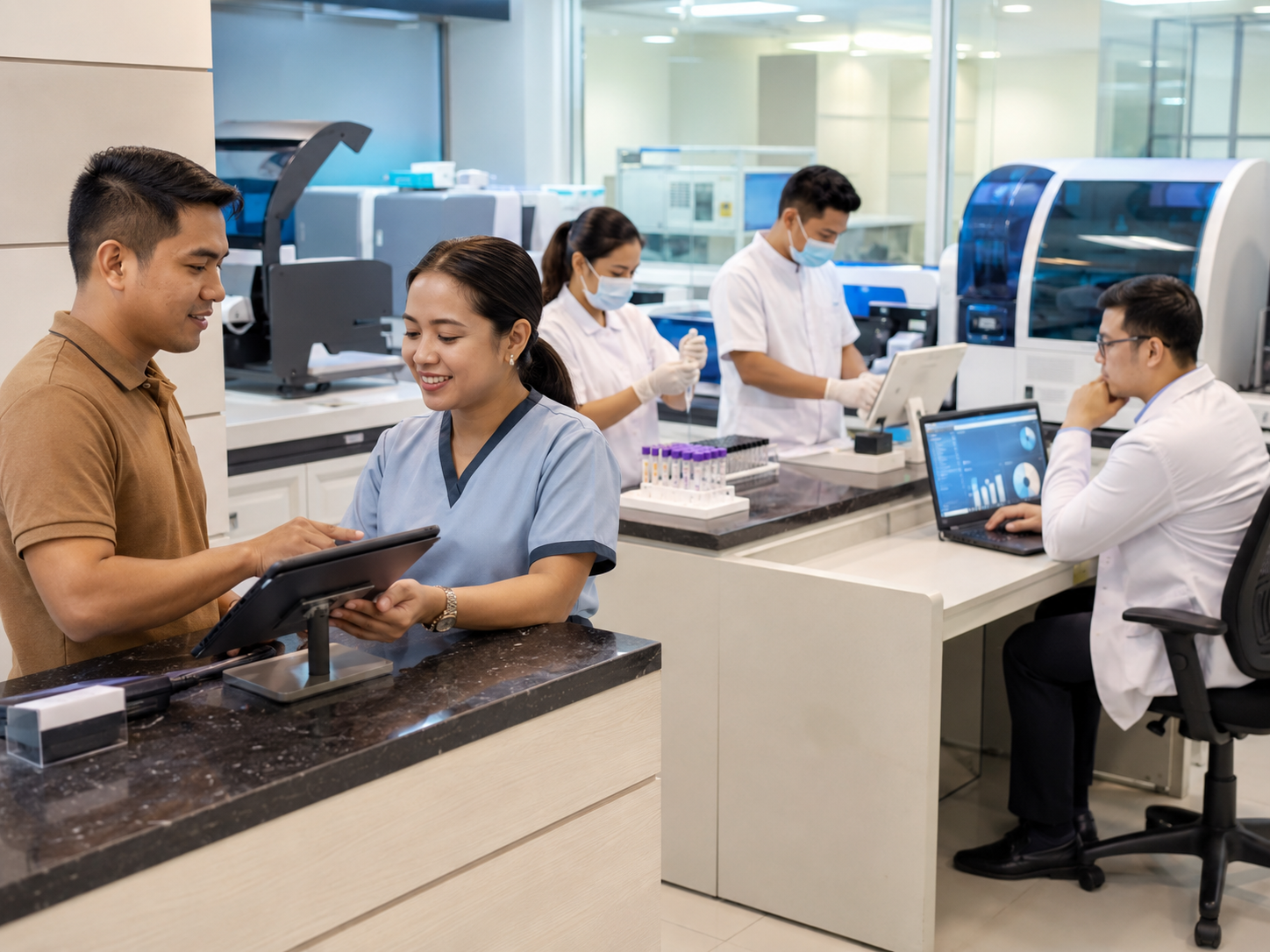
Digital transformation in healthcare is not limited to mobile applications. Philippine companies are also modernizing physical hospitals, clinics, pharmacies, and specialty facilities by connecting them through coordinated technology systems.
AC Health, a healthcare company under the Ayala Group, represents this broader approach. Through investments in healthcare facilities and services, the company is developing an ecosystem that combines physical infrastructure with more organized patient information and referral processes.
Corporate information about its healthcare portfolio is available through the official AC Health website at https://www.achealth.com.ph/.
The company’s development of the Healthway Medical Network and specialized healthcare facilities illustrates how technology can support a patient across multiple stages of care rather than operating as a separate digital product.
Why Fragmented Healthcare Creates Problems
Patients Often Navigate the System Alone
A patient may first visit a neighborhood clinic, undergo tests at an independent laboratory, purchase medicines from a separate pharmacy, and later seek treatment at a hospital. When these providers use disconnected systems, medical information may not move efficiently between them.
Patients are then required to repeat their medical history, carry printed laboratory results, or explain previous prescriptions from memory. This fragmentation increases inconvenience and may delay treatment.
An integrated healthcare network can reduce these gaps through electronic records, coordinated referrals, digital appointment systems, and standardized patient information.
For a company such as AC Health, the objective is not merely to own different healthcare businesses. The greater strategic value comes from making those businesses function as parts of one care pathway.
Technology in Specialized Cancer Care
The Healthway Cancer Care Hospital provides a relevant example of how specialized healthcare facilities can benefit from digital coordination. Cancer treatment often requires cooperation among oncologists, surgeons, radiologists, pathologists, pharmacists, and nursing teams.
Patients may undergo multiple examinations and treatment sessions over an extended period. Accurate records and timely communication are therefore critical.
Digital systems can help organize diagnostic results, treatment schedules, medication information, and multidisciplinary care plans. They may also help reduce administrative delays by coordinating appointments and supporting communication between departments.
Technology does not replace the clinical judgment of cancer specialists. Its role is to ensure that professionals have access to the information required to make informed decisions.
Creating a More Consistent Patient Experience
Integrated systems can improve administrative processes that strongly influence patient satisfaction. Online appointment scheduling, digital registration, electronic billing, and automated reminders may reduce waiting times and repetitive paperwork.
A patient referred from a primary-care clinic to a specialist hospital should ideally experience a continuous process. Relevant information should move securely between authorized providers instead of requiring the patient to restart at each facility.
Pharmacy integration can further support treatment by improving prescription processing and helping patients locate required medicines.
Data Protection and Interoperability Remain Essential
Connecting hospitals and clinics creates significant responsibility. Healthcare records contain highly sensitive information, including diagnoses, medications, laboratory results, and personal identification data.
Companies must implement access controls, cybersecurity procedures, staff training, and clear patient consent policies. A technically connected network can create serious risks when security practices are inconsistent.
Interoperability is another challenge. Different facilities may use software developed by separate vendors. Systems must exchange information accurately without changing or losing essential clinical details.
Why This Model Matters for the Philippines
The AC Health approach demonstrates that healthcare technology should be evaluated by how well it improves the complete patient journey. A modern hospital is not defined only by advanced equipment. It also needs reliable systems that connect consultations, diagnostics, treatment, billing, pharmacies, and follow-up care.
As Philippine healthcare companies expand their networks, the competitive advantage may come from delivering consistent and coordinated care across both digital and physical channels.