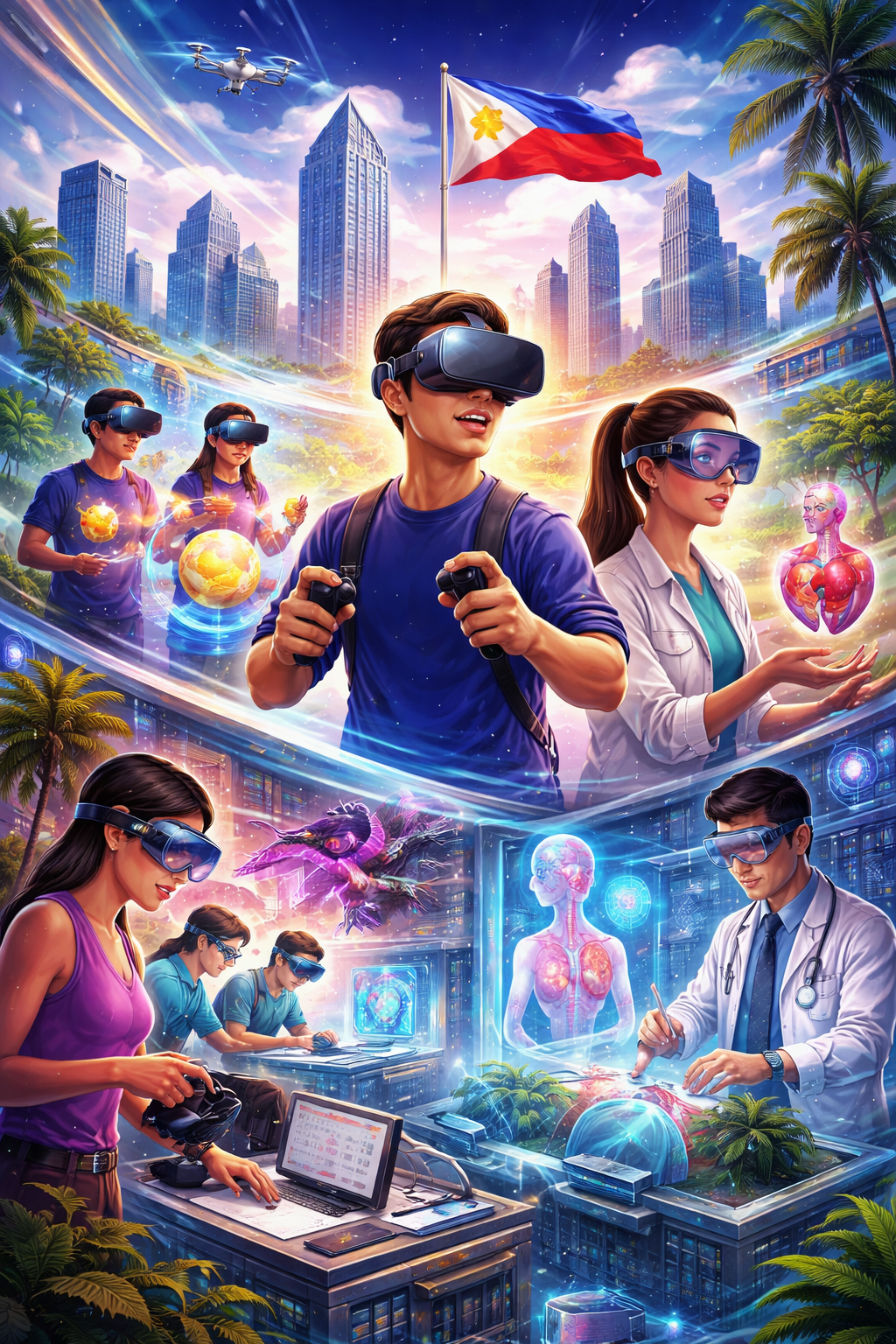

Artificial intelligence, digital finance, and data analytics are changing what Filipino startup founders need to learn. A basic understanding of website development is no longer sufficient for entrepreneurs entering markets shaped by automation, digital payments, cybersecurity risks, and data-driven decision-making.
Technology education is therefore becoming more specialized. Universities, private training providers, and startup communities are introducing students to machine learning, cloud infrastructure, financial technology, application programming interfaces, and information security.
AI Education Must Begin With Real Business Problems
Artificial intelligence attracts attention, but founders need to understand when the technology is genuinely useful. Adding an AI feature does not automatically create a valuable product.
Students should first learn how to define a customer problem, evaluate available data, and determine whether automation can improve cost, speed, or accuracy. A retail startup might use AI to forecast inventory demand. An agricultural platform could analyze crop images, while a customer service company could automate routine inquiries in English and Filipino languages.
However, these products require reliable datasets. Poor-quality or unrepresentative information can produce inaccurate results, particularly when systems are used in healthcare, lending, recruitment, or education.
Technology programs must consequently teach data ethics, privacy, bias detection, and responsible system design alongside technical development.
Fintech Education Reflects the Philippine Market
The expansion of digital wallets, mobile banking, online payments, and alternative lending has made financial technology one of the most visible startup sectors in the Philippines.
This growth creates opportunities, but it also introduces regulatory and consumer-protection responsibilities. Founders must understand identity verification, fraud prevention, cybersecurity, financial inclusion, and the rules governing financial services.
The Bangko Sentral ng Pilipinas provides policies, statistics, and information on the country’s financial and digital payment systems through its official website at BSP.gov.ph.
For students, fintech education should go beyond developing payment applications. They must examine why many consumers remain underbanked, how small businesses manage irregular cash flow, and why trust is essential when customers provide personal or financial information.
Cybersecurity Is Now a Founder-Level Responsibility
Early-stage companies often focus on growth while postponing security investments. This approach can expose customers to data theft and damage a startup’s reputation before the company becomes established.
Founders do not need to become full-time cybersecurity specialists, but they should understand access controls, encryption, secure software development, data backup, and incident response.
Educational programs can strengthen these skills by requiring students to perform security assessments before launching prototypes. Investors and corporate partners are also more likely to trust startups that can explain how customer data is collected, stored, and protected.
The Importance of Interdisciplinary Teams
AI and fintech startups need more than programmers. Effective teams may include behavioral researchers, lawyers, financial analysts, product designers, and specialists who understand specific industries.
Universities can encourage this collaboration by placing students from different faculties in the same innovation projects. A computer science student may develop the system, while a business student tests pricing and a law student evaluates regulatory risk.
Competing Through Responsible Innovation
Filipino founders have opportunities to build AI and fintech products for multilingual users, informal businesses, overseas workers, and communities with limited access to traditional financial institutions.
Their competitive advantage will not come from using the newest technology without restraint. It will come from applying technology to clearly defined problems while protecting consumers and building trustworthy services.
Education that combines technical expertise, business judgment, ethics, and regulatory awareness can prepare founders to create companies that remain credible as they grow.