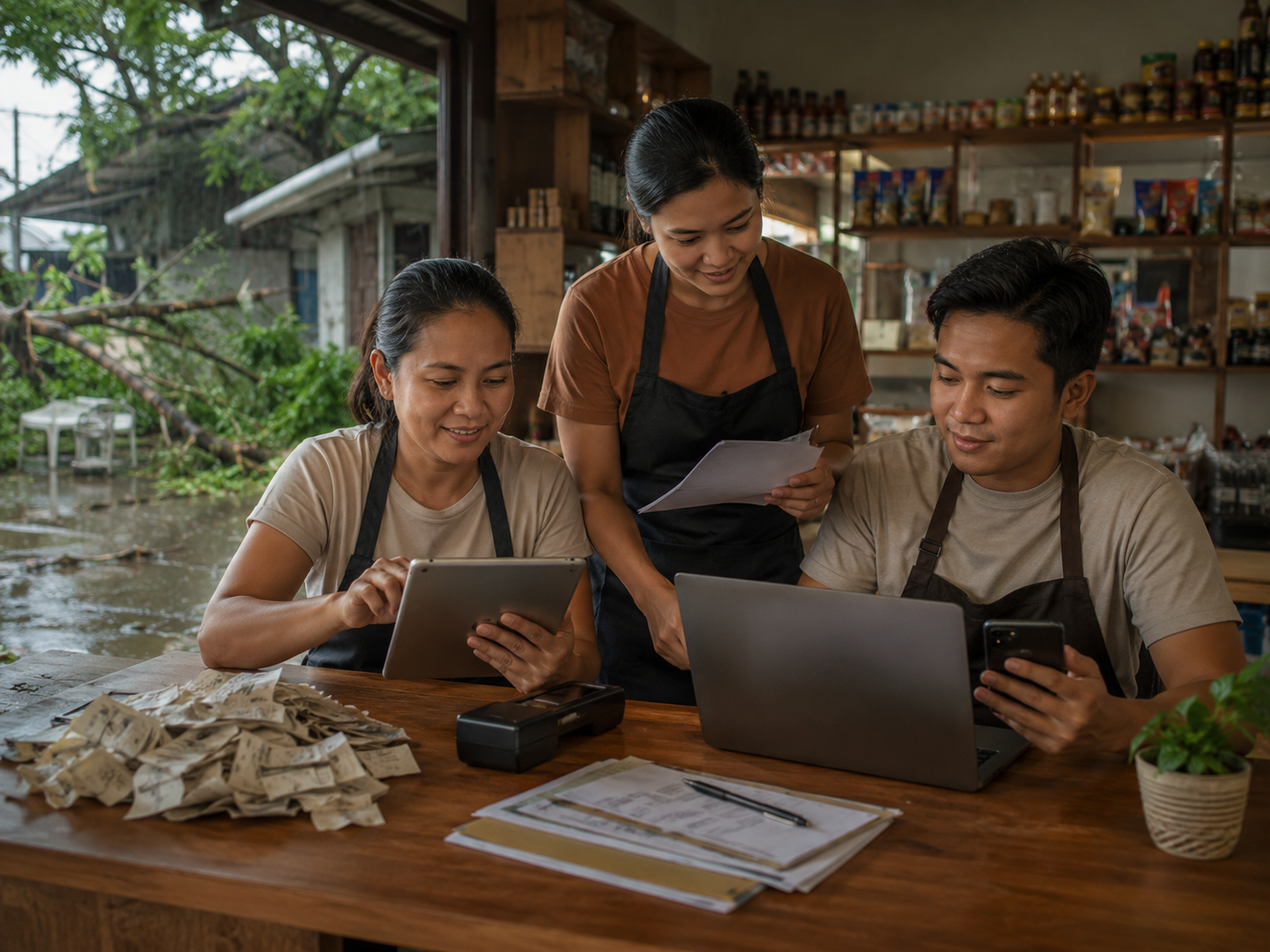
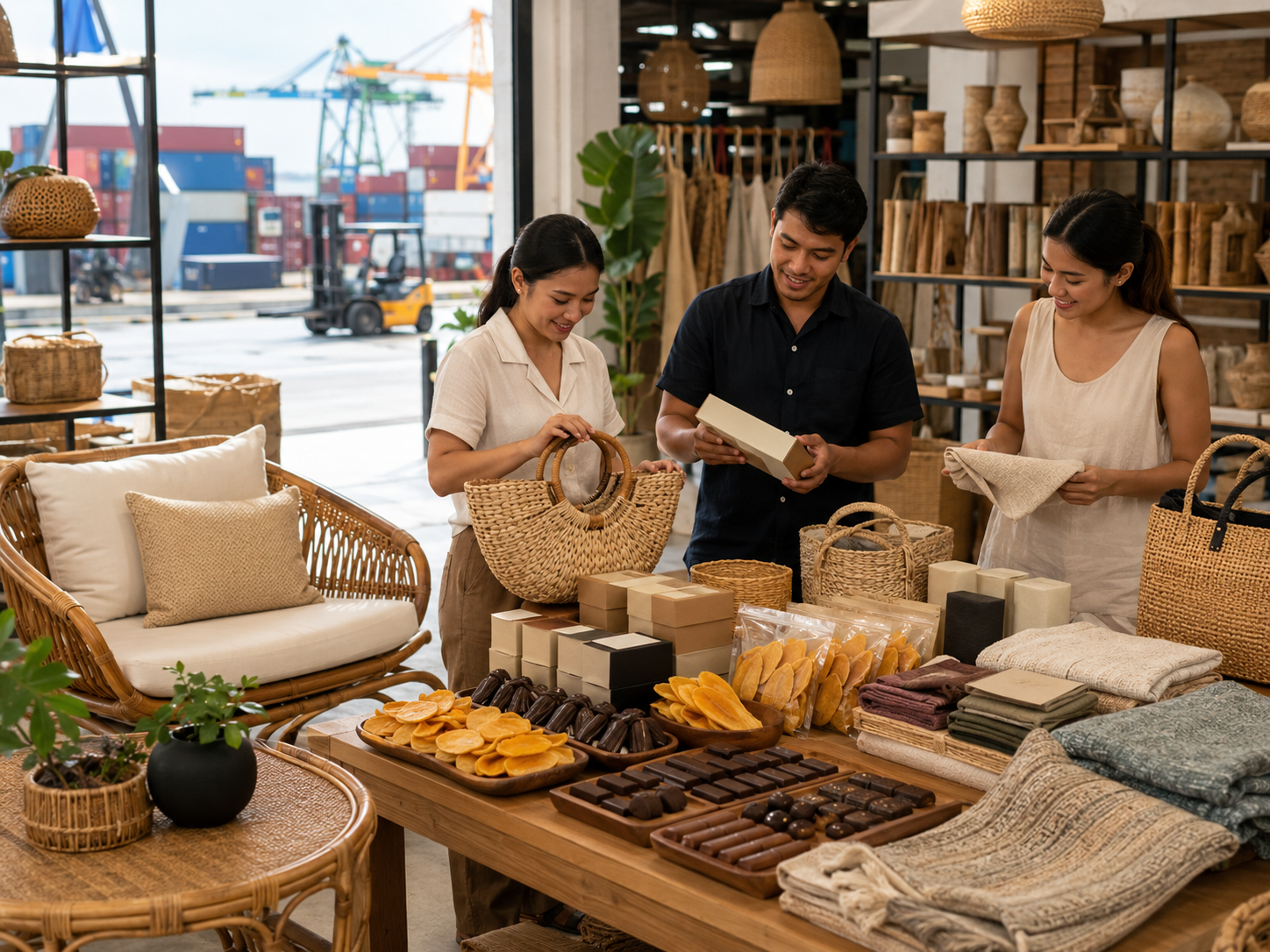
Filipino entrepreneurs who have successfully increased exports of local products usually share one important quality: they know how to transform familiar materials into products with international value. Their businesses often begin with resources that are already present in the Philippines, such as natural fibers, tropical fruits, cacao, recycled textiles, or traditional craftsmanship. What makes them successful is their ability to refine these resources into products that meet global expectations.
Kenneth Cobonpue is a strong example from the design and furniture industry. Based in Cebu, he built a reputation by using local materials in ways that felt modern, artistic, and premium. Instead of copying foreign furniture trends, he created pieces with a distinct Filipino character. His use of rattan, bamboo, and other natural elements helped demonstrate that Philippine craftsmanship could be elegant and globally relevant. His success also strengthened the image of Cebu as a center for creative furniture manufacturing.
In fashion and lifestyle products, Rags2Riches shows how entrepreneurship can combine export potential with social impact. Co-founded by Reese Fernandez-Ruiz, the enterprise works with artisans to create products from upcycled fabric. The company’s bags and accessories are not sold merely as handmade items; they are presented as products with design value, environmental meaning, and community benefit. This makes them attractive to international buyers who care about sustainability and ethical production.
The food export sector provides another important example. Philippine dried mangoes are widely associated with the country, and companies such as Profood International helped bring them to many international markets. Entrepreneur Justin Uy and similar business leaders understood that exporting food requires strict attention to safety, shelf life, taste consistency, and packaging. A mango may be naturally delicious, but export success depends on turning it into a product that can survive shipping, meet import standards, and appeal to retail consumers abroad.
The cacao and chocolate industry has also benefited from entrepreneurial innovation. Philippine cacao has strong potential, but the bigger opportunity comes when entrepreneurs turn cacao into finished chocolate products. Brands such as Auro Chocolate have promoted local cacao through premium chocolate bars and other products. This approach allows the Philippines to move up the value chain and avoid being known only as a supplier of raw ingredients.
Several strategies explain why these entrepreneurs succeeded. One is product differentiation. They made their goods stand out by emphasizing design, origin, sustainability, or flavor. Another is quality control. International buyers expect consistency, so entrepreneurs must create systems that ensure every shipment meets the same standard. A third strategy is branding. Filipino exporters who tell a clear story about their products often create stronger emotional connections with customers.
These businesses also highlight the importance of collaboration. Many export-oriented entrepreneurs work with farmers, weavers, artisans, designers, government trade agencies, and foreign distributors. Exporting is rarely a one-person effort. It requires a network that can support production, logistics, compliance, marketing, and customer service.
The rise of these entrepreneurs gives valuable insight for other local businesses. The Philippines has many products with export potential, but potential alone is not enough. Entrepreneurs must invest in design, processing, certification, packaging, storytelling, and long-term buyer relationships. When these elements come together, local products can become respected international brands and provide wider economic benefits for Filipino communities.