The retail sector in the Philippines is embracing digital transformation at an accelerating pace. Driven by high internet penetration, widespread mobile usage, and changing consumer behaviors, retailers are leveraging technology to enhance both customer experience and operational efficiency. This environment offers technology startups the chance to introduce innovative solutions that address emerging challenges and opportunities.
E-commerce remains the most prominent area of growth. Online retail sales have surged over recent years, fueled by convenience, personalized shopping experiences, and contactless transactions. Startups can create mobile apps, AI-driven recommendation systems, and integrated checkout solutions to help retailers deliver smoother and more engaging online experiences.
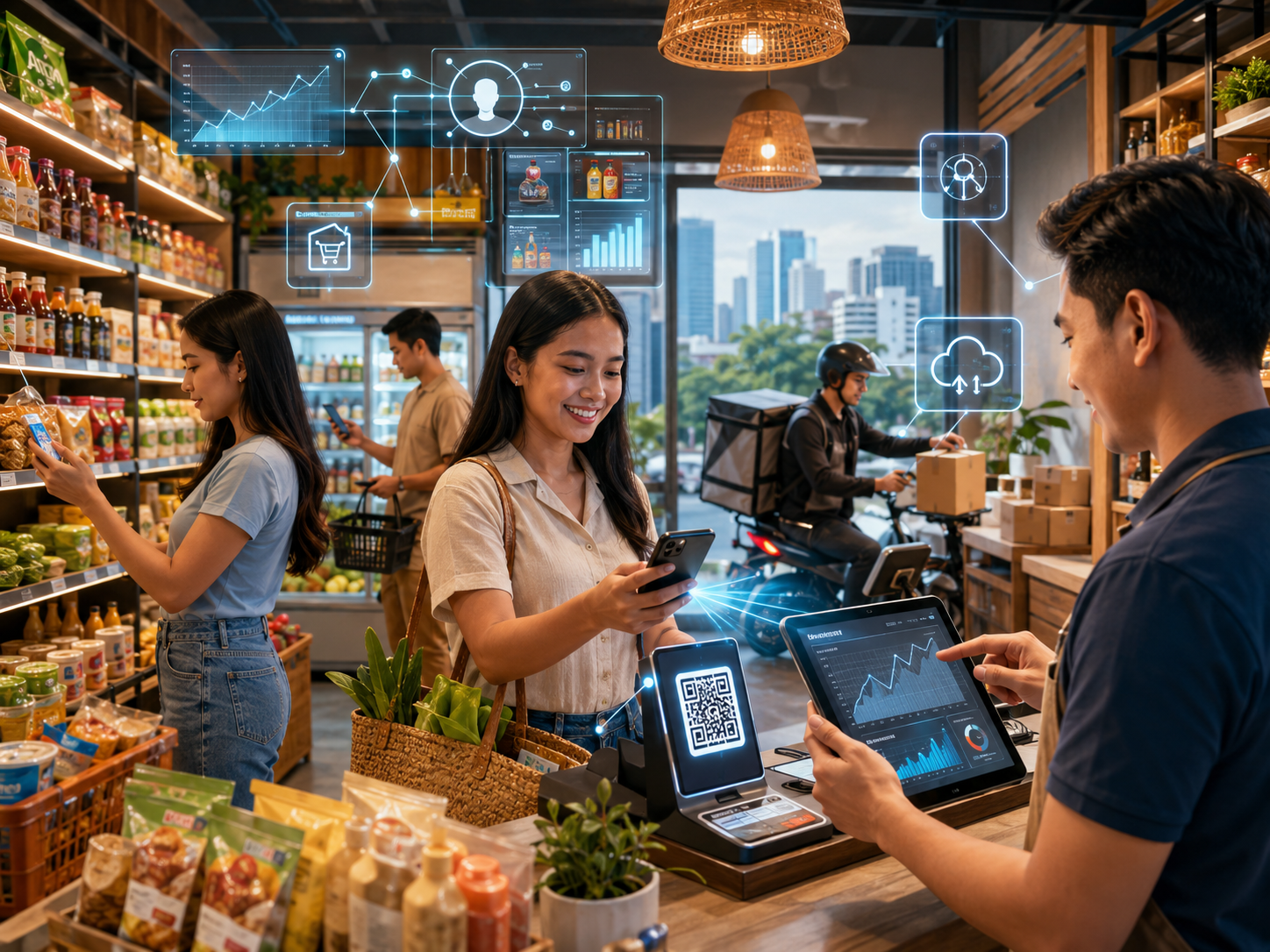
Even traditional brick-and-mortar stores are adopting digital tools. POS systems, inventory software, and CRM platforms are increasingly deployed to manage day-to-day operations and capture actionable insights. Retailers can use these technologies to forecast demand, optimize stock, and engage customers more effectively. Startups offering AI-powered inventory management, predictive analytics, or smart retail platforms can fill crucial gaps in this evolving landscape.
Payment technology is also booming in the Philippines. Digital wallets, QR-based payments, and other cashless systems are becoming standard, particularly among younger demographics. Startups that develop secure payment gateways, fraud prevention tools, or digital loyalty programs can support retailers in creating seamless and trusted transactions.
Data-driven marketing is reshaping how retailers connect with consumers. By analyzing purchasing trends and customer behavior, retailers can deliver highly targeted promotions and improve engagement. Startups specializing in AI-powered marketing automation, predictive analytics, or personalized recommendation engines can empower retailers to maximize campaign efficiency and customer retention.
Logistics and delivery innovations are equally important. E-commerce growth has highlighted the need for efficient last-mile solutions, timely deliveries, and real-time tracking. Startups that focus on intelligent logistics software, route optimization, or smart warehouse management can become key partners in improving operational performance and customer satisfaction.
The Philippine retail sector’s digital transformation offers a fertile ground for technology startups. By addressing the growing demand in e-commerce solutions, operational automation, digital payments, data-driven marketing, and logistics optimization, startups can carve a strong presence and help retailers thrive in a digitally connected market.