
The banking industry in the Philippines is at a crossroads, with digitalization and global integration poised to redefine its future. As the world increasingly moves toward a digital economy, the Philippine banking sector has embraced technological advancements to enhance its service offerings, improve customer experience, and increase operational efficiency. This transformation is not only important for meeting the needs of a modern economy but also for integrating the Philippines into the global financial system.
Digitalization is the cornerstone of this transformation. In recent years, Filipino banks have made significant strides in adopting online banking platforms, mobile apps, and digital wallets. These innovations have made banking services more accessible, particularly to younger generations who are more comfortable with technology. Moreover, these digital solutions are allowing people in rural and underserved areas to access banking services that were once out of reach.
The government’s role in supporting digital banking has been instrumental. Through the establishment of digital payment systems, regulations for FinTech, and investments in financial infrastructure, the Philippine government is creating an environment conducive to digital innovation in the banking sector. The Bangko Sentral ng Pilipinas (BSP) has been a strong advocate for advancing digital payments, pushing for greater adoption of cashless transactions and facilitating the creation of a seamless, secure digital ecosystem.
Global integration is another vital aspect of the Philippine banking sector’s future. As the global economy becomes more interconnected, Filipino banks are increasingly looking to expand their presence in international markets. By aligning with global standards such as those set by the Basel Committee on Banking Supervision, Filipino banks are enhancing their ability to operate on the world stage. Additionally, international collaborations with foreign financial institutions provide Filipino banks with new opportunities for growth and development.
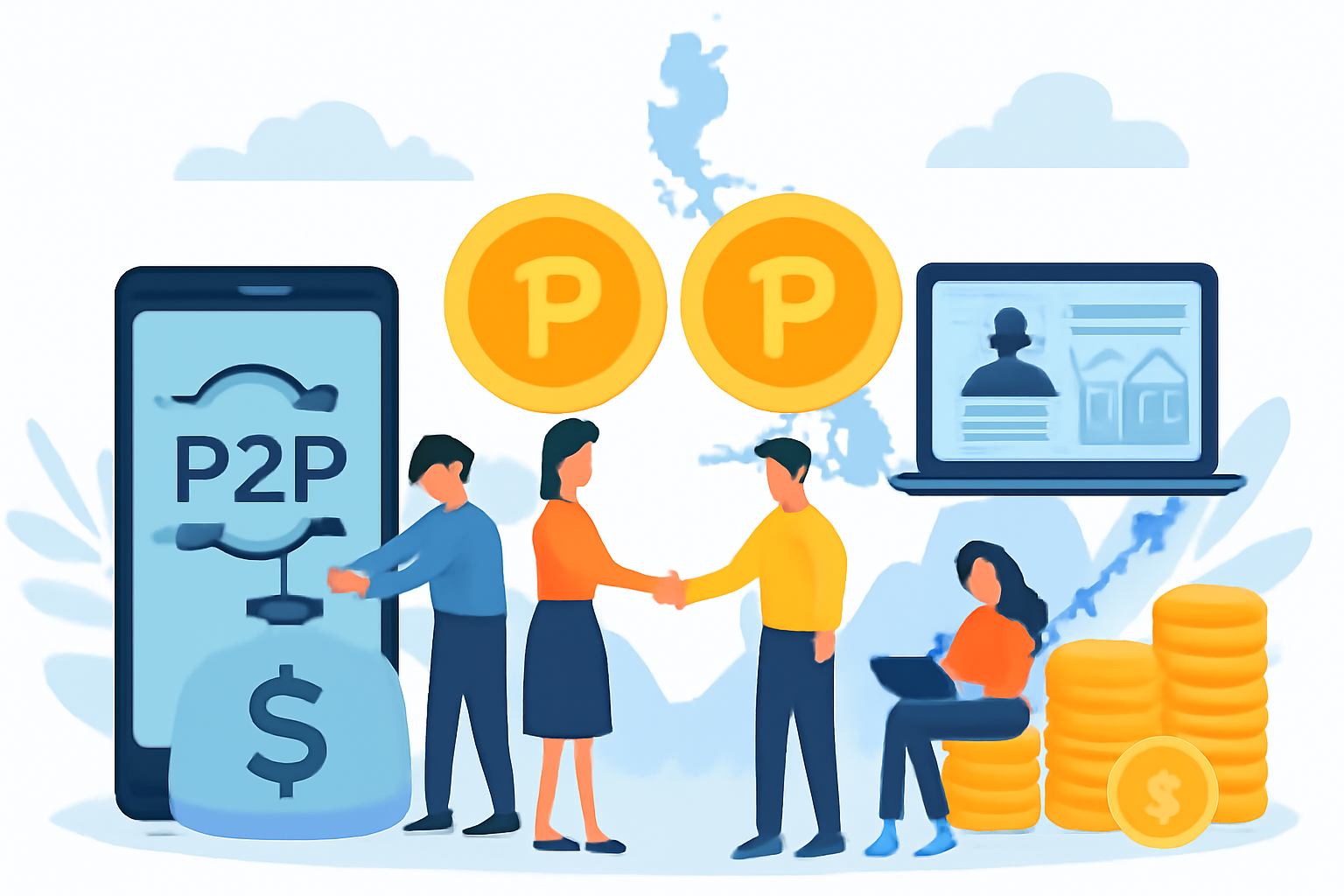
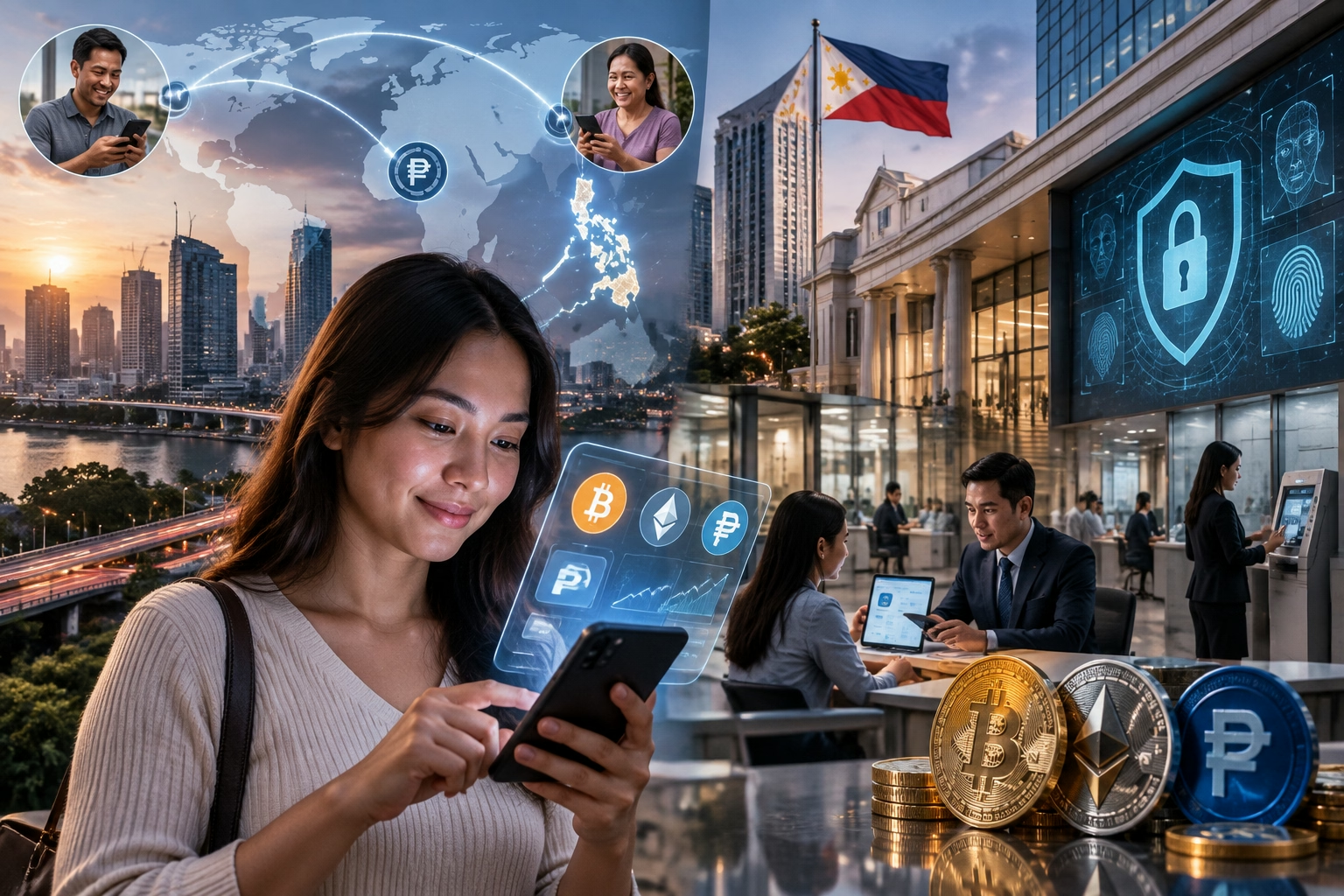
One of the key drivers of this global integration is the rise of remittances. The Philippines has one of the largest overseas Filipino worker (OFW) populations, and remittance flows are a vital part of the economy. Digital platforms, including blockchain-based solutions, are transforming how these cross-border payments are made, allowing for faster, cheaper, and more secure transactions.
Furthermore, FinTech companies are playing an increasingly important role in shaping the future of Philippine banking. These firms are offering innovative financial products that challenge traditional banking models, particularly in areas like lending, investment management, and insurance. Filipino banks are recognizing the need to collaborate with these disruptors rather than compete against them, leading to a growing trend of partnerships and acquisitions.
However, the digital transformation of the banking sector does not come without its challenges. Security risks, such as cyberattacks and data breaches, are a growing concern as banks handle more digital transactions. Furthermore, the need for financial literacy programs to ensure that Filipinos are equipped to navigate digital banking platforms is critical. Bridging the knowledge gap will be essential for achieving broad-based financial inclusion.
Looking ahead, the Philippine banking sector is on track for a future that is both digital and globally connected. The continued embrace of technology, coupled with strategic global partnerships, will help Philippine banks remain competitive in an increasingly interconnected world.