The rapid advancement of technology has brought transformative changes to the education sector in the Philippines. By leveraging digital tools and platforms, the country has made significant strides in improving access to quality education, enhancing learning outcomes, and fostering innovation in teaching methods.
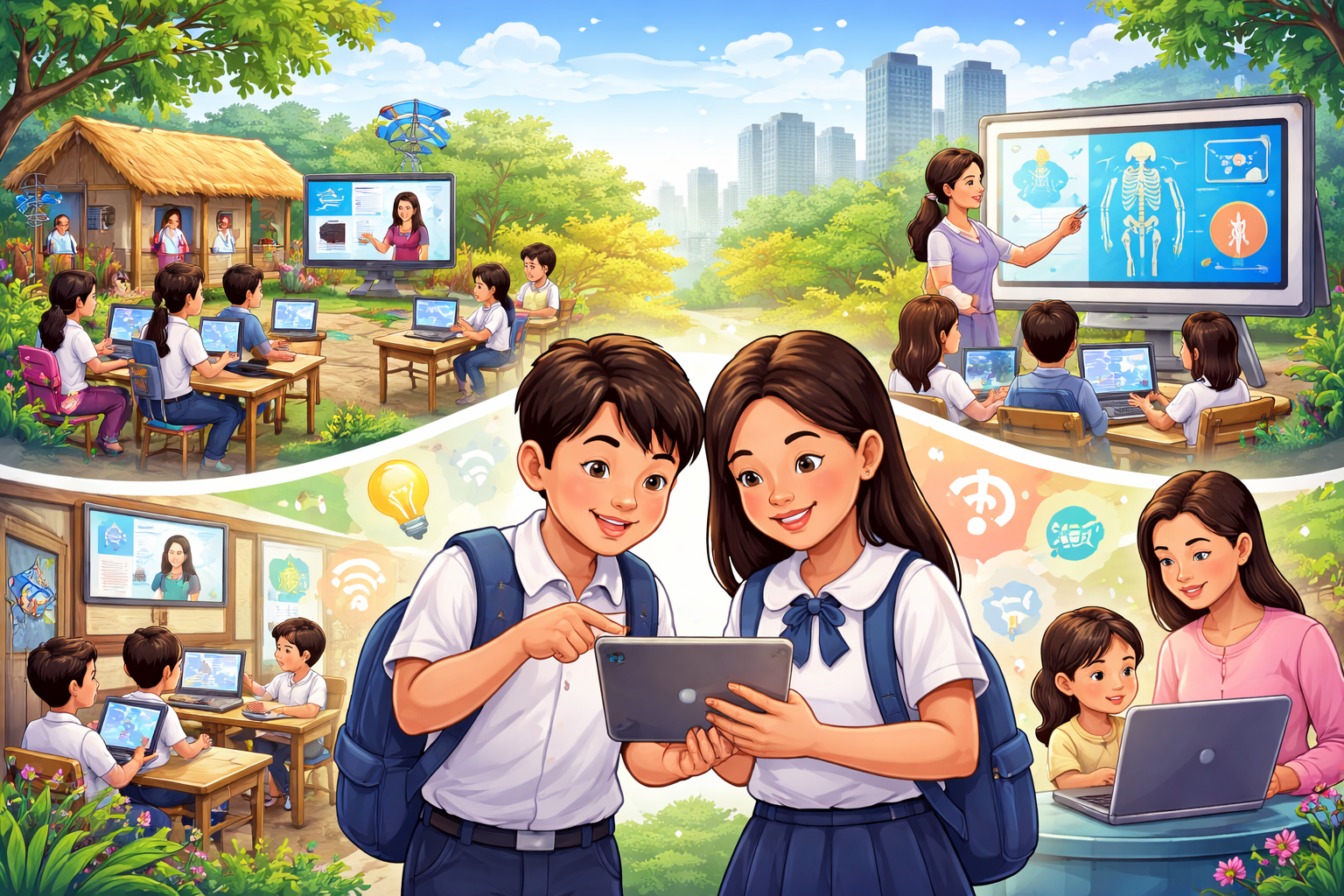
One of the most significant ways technology is impacting the educational landscape in the Philippines is by improving access to education in remote areas. Many rural and underserved communities previously struggled with limited access to quality teaching and educational materials. However, with the rise of online learning platforms and digital education tools, students in these areas now have greater opportunities to learn from experienced educators and gain access to diverse learning resources. Platforms like Google Classroom, Edmodo, and Zoom have made it possible for students in far-flung areas to participate in online classes, allowing for more inclusive education across the archipelago.
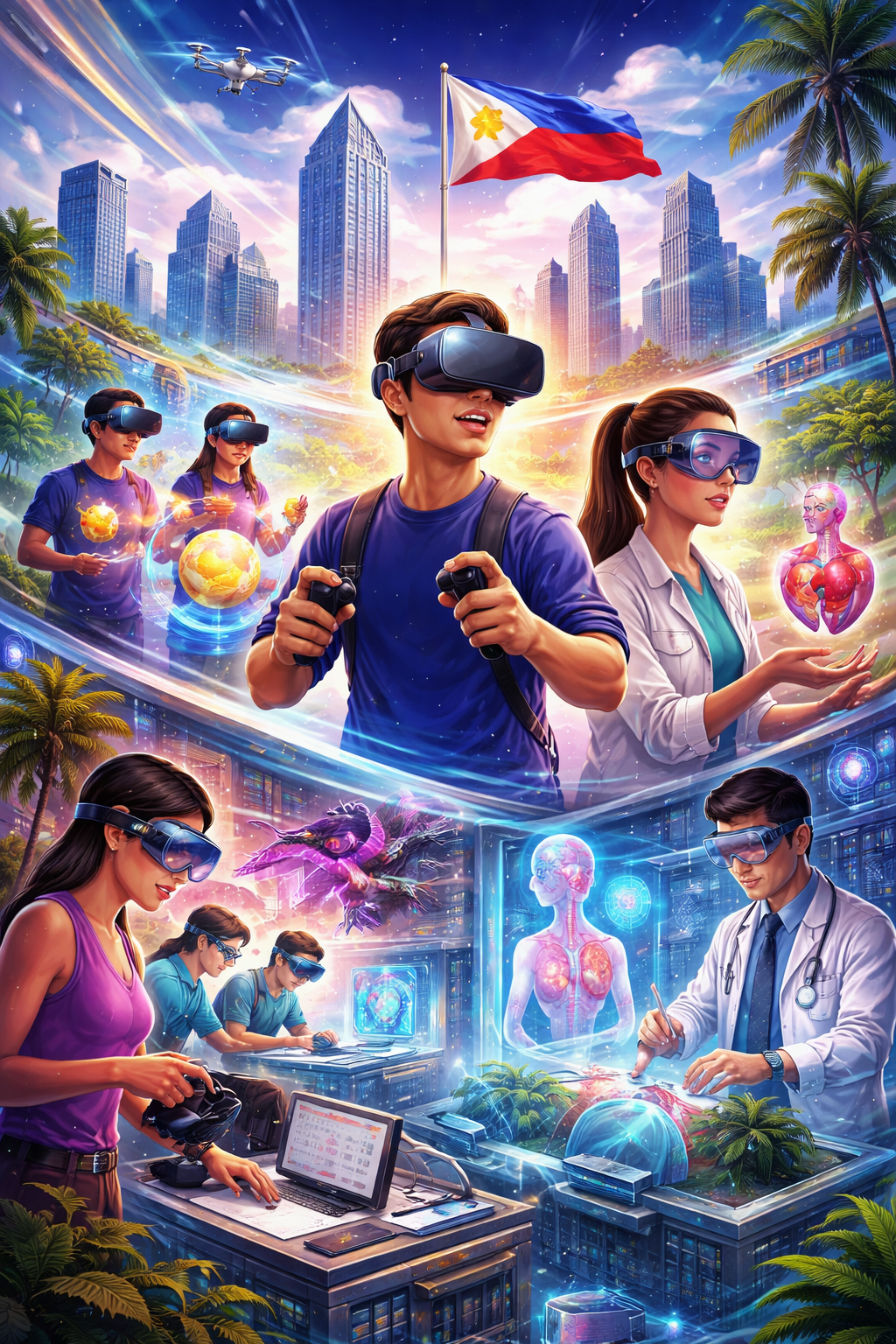
In addition to expanding access, technology is also helping improve the quality of education. The integration of digital tools such as interactive whiteboards, projectors, and multimedia resources has made learning more interactive and engaging for students. This technological shift has made it easier for educators to deliver lessons in innovative ways, keeping students more focused and motivated. Furthermore, digital simulations and virtual laboratories enable students to experiment and experience learning in a hands-on manner, which is especially valuable for subjects like science and technology.
Another area where technology has had a profound impact is in the development of personalized learning. Through the use of educational apps and adaptive learning platforms, students can receive customized learning experiences that cater to their individual needs and learning styles. This personalized approach enables students to work at their own pace and receive additional support in areas where they may be struggling, ultimately leading to improved academic performance.
For teachers, technology has opened up new opportunities for professional development. With the rise of online learning and webinars, educators can access training programs and resources that help them stay up-to-date with the latest teaching methodologies and digital tools. This continuous professional development not only enhances teachers’ teaching abilities but also allows them to share knowledge and collaborate with colleagues nationwide.
However, the widespread use of technology in education is not without its challenges. One of the main obstacles is the unequal access to technology. While many students in urban areas are able to benefit from digital tools, those in rural and remote regions often lack the necessary infrastructure, such as reliable internet and digital devices. Moreover, the cost of technology can be prohibitive for some families, further exacerbating the digital divide.
To address these issues, the Philippine government has launched several initiatives aimed at improving digital access. Programs to distribute free laptops to students, increase internet connectivity in rural areas, and provide subsidies for technology-related expenses are all part of ongoing efforts to make education more accessible to all Filipinos.
In conclusion, technology is reshaping the educational landscape in the Philippines, bringing about more inclusive, interactive, and personalized learning experiences. While challenges such as infrastructure and affordability remain, the continued integration of technology holds great promise for improving the country’s education system and providing students with the tools they need to succeed in the modern world.