Insurance in the Philippines sits at the intersection of rising consumer expectations and persistent vulnerability. Filipinos increasingly use smartphones for payments, shopping, and remittances, yet many still face sudden expenses from illness, accidents, and extreme weather. This creates a strong case for insurance that is easy to buy, easy to understand, and quick to pay out. The sector’s most meaningful innovations are those that remove friction—cutting paperwork, improving price transparency, and delivering service through the channels people already use.
Insurtech as an enabler, not a replacement
Insurtech is often misunderstood as “tech companies disrupting insurers.” In practice, it is frequently a set of tools and partnerships that help insurers operate more efficiently. Digital onboarding reduces the need for in-person meetings, while automated policy issuance allows near-instant activation. Chat-based customer support and app notifications can answer basic questions that would otherwise discourage new buyers. For a market with many first-time policyholders, even small improvements in clarity and responsiveness can materially increase uptake.
Embedded insurance and partnerships with everyday platforms
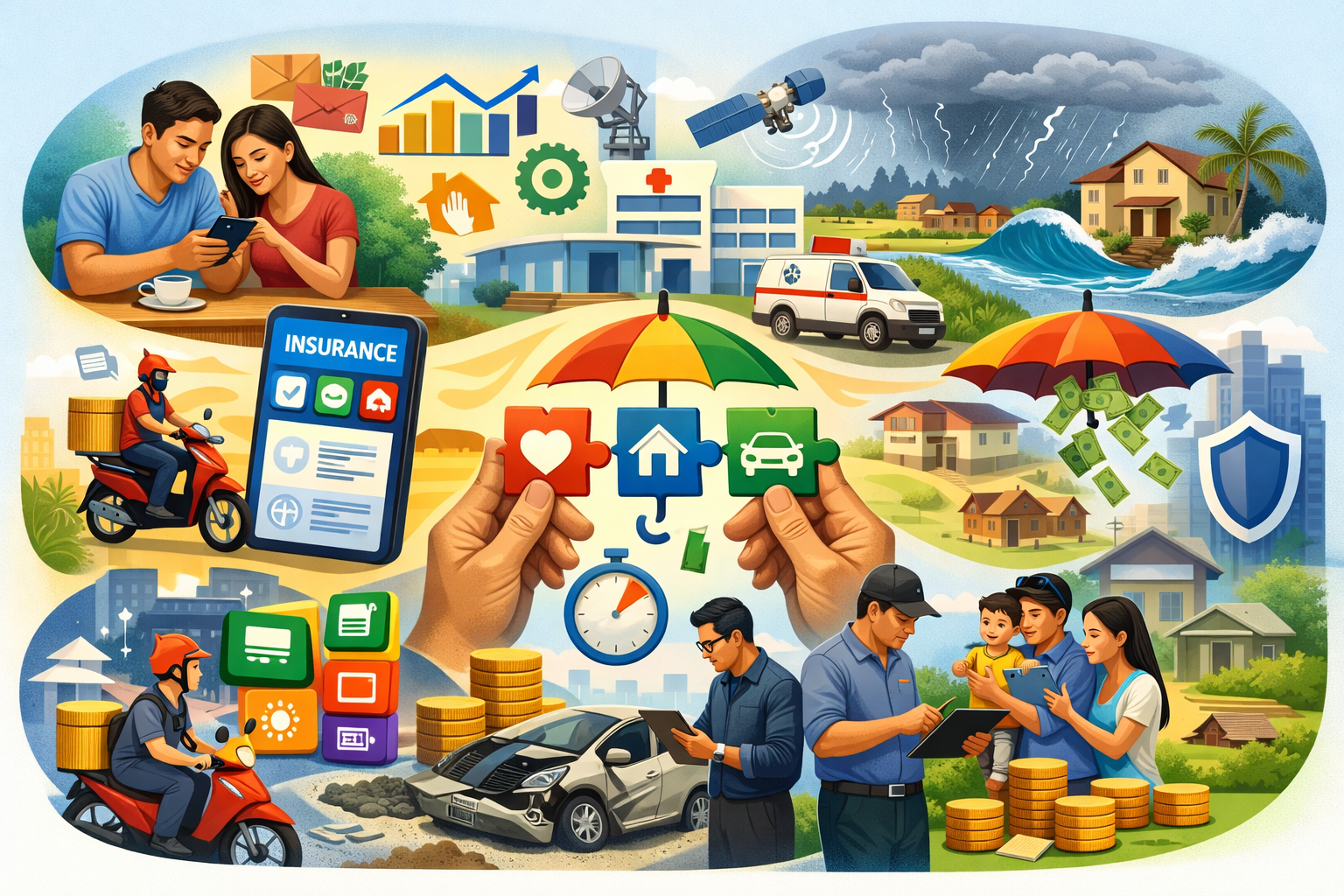
One of the most promising access strategies is embedding insurance inside non-insurance experiences. For example, delivery platforms can bundle personal accident cover for riders, e-commerce sites can offer parcel protection, and mobile wallets can sell short-duration life or accident cover at low price points. These models succeed because they reduce the “search cost” of insurance: customers don’t need to visit an office, compare multiple brochures, or commit to a large annual premium. They also open new segments, including younger consumers who may not engage with traditional agents.
Microinsurance and community-based distribution
Microinsurance remains central to inclusion because it matches the realities of low-to-middle income households. It is commonly delivered through cooperatives, mutual benefit associations, and community organizations that already hold trust. The best-performing programs typically feature: (1) standardized benefits, (2) minimal documentation, (3) short waiting times or clear eligibility rules, and (4) claims settlement that is measurable and fast. When microinsurance is paired with digital collection and mobile claims submission, administrative costs fall and the model becomes easier to scale.
Underwriting innovations and responsible use of data
Underwriting in emerging markets can be difficult when many customers lack long credit histories or formal payslips. Some insurers use alternative data—such as transaction patterns or employment proxies—while maintaining privacy safeguards and avoiding discriminatory outcomes. The objective is not to exclude more people; it is to price risk fairly and keep premiums affordable. In health-related protection, telemedicine integrations and wellness features can also shift the focus from paying claims to preventing them, though these require careful design so they don’t become marketing gimmicks.
Disaster resilience and the role of reinsurance
Catastrophe exposure shapes the Philippine non-life market. Insurers must manage accumulation risk (many claims from one event) through prudent limits, geographic diversification, and reinsurance. Innovative products like parametric covers can complement traditional property insurance, providing rapid cash after storms. However, resilience also depends on claims readiness: pre-positioned response teams, clear customer instructions, and mobile-friendly processes are crucial when physical infrastructure is disrupted.
What insurers must get right
Access improves when insurance feels practical rather than intimidating. That means plain-language policies, transparent pricing, reliable claims settlement, and service that works on a phone. The sector’s future growth is closely tied to how effectively insurers blend technology with trust—especially among customers who are new to formal financial products.