The Philippines, with its unique geography and diverse population, has long struggled with disparities in access to technology and the internet. Rural communities, in particular, have faced significant challenges in participating fully in the digital economy, leaving them at a disadvantage in terms of education, healthcare, and economic opportunities. However, the rise of technology startups across the country is slowly bridging the digital gap, offering solutions that cater specifically to the needs of rural Filipinos.
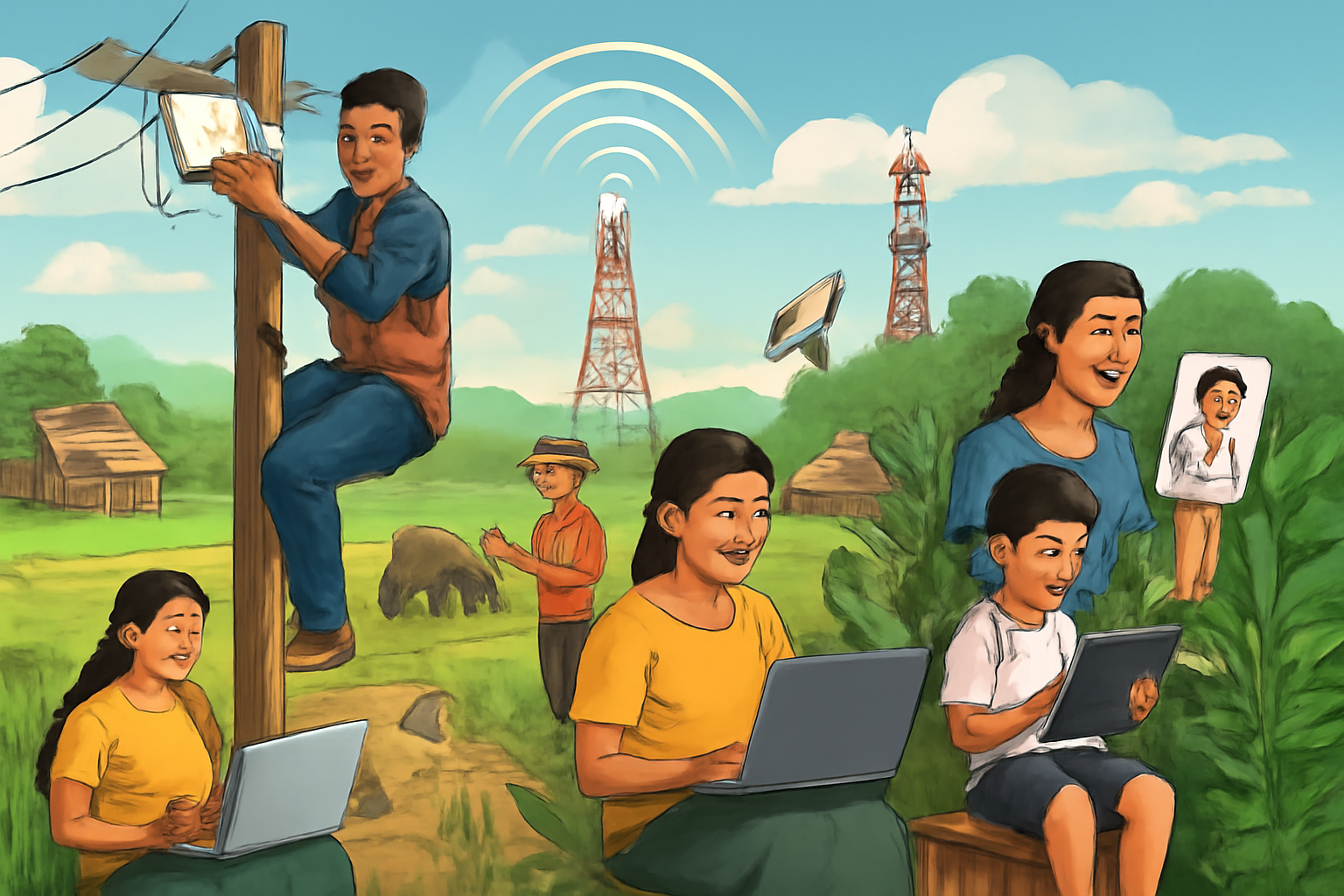
One of the most impactful ways in which technology startups are transforming rural communities is by improving internet access. In many rural areas, the lack of reliable internet has been a barrier to education, business, and healthcare. However, a number of startups are working to improve connectivity by using low-cost solutions such as satellite internet, community Wi-Fi networks, and mobile data services. These efforts are enabling rural residents to access the internet, participate in online learning, and engage with the wider world.
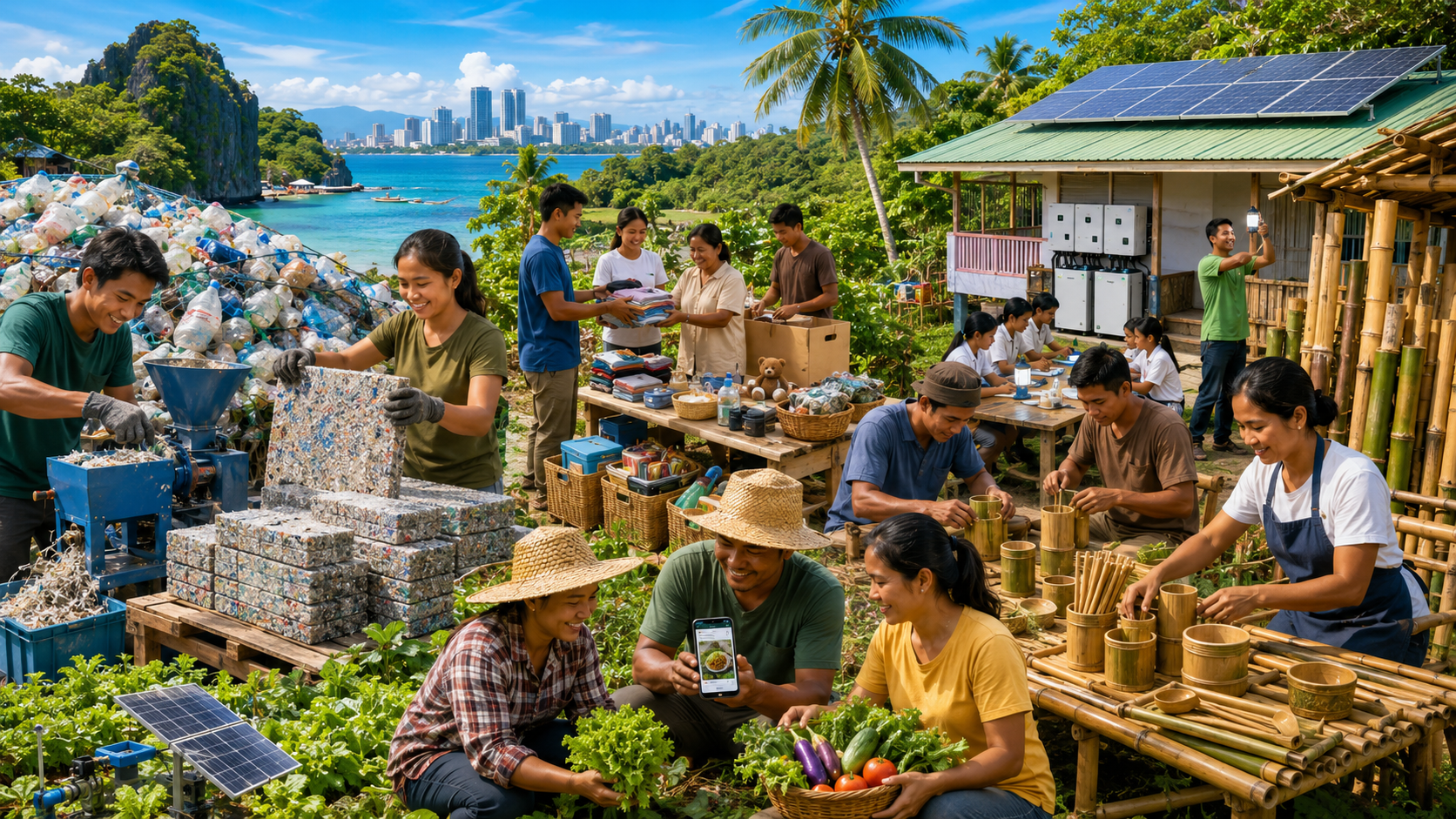
Startups in the Philippines are also introducing innovative solutions in agriculture, which is the backbone of rural livelihoods. Agritech startups are creating mobile applications and digital platforms that provide farmers with vital information on everything from weather patterns to crop prices. By using these tools, farmers can increase their yields, reduce costs, and access fair market prices for their goods. This technological support is helping to improve food security in rural areas while boosting the incomes of farmers.
The healthcare sector has also been positively impacted by technology startups. Many rural areas in the Philippines lack access to quality healthcare services, with people having to travel long distances to visit a doctor or clinic. Telemedicine startups are addressing this issue by offering remote consultations and medical advice through mobile apps and online platforms. These services provide an affordable and accessible way for rural residents to seek medical attention without the burden of long-distance travel.
Additionally, digital education platforms are helping to bridge the educational gap between urban and rural schools. In many remote areas, schools are underfunded and lack access to modern teaching materials. Online learning platforms are offering a wide range of educational content, from basic schooling to specialized vocational courses. These platforms are providing rural students with access to high-quality education that would otherwise be unavailable to them.
Furthermore, rural technology startups are fostering digital literacy through workshops and community outreach programs. These initiatives are essential for helping individuals in rural areas learn how to use digital tools, navigate the internet, and access online services. By improving digital literacy, these startups are empowering individuals to take advantage of online job opportunities, start their own businesses, and engage with the global economy.
Technology startups in the Philippines are not only transforming rural communities but also contributing to the country’s overall economic growth. By creating jobs, improving productivity, and driving innovation, these startups are helping to create a more inclusive and sustainable future for rural Filipinos. As more technology companies continue to invest in rural areas, the digital divide is gradually narrowing, opening up new opportunities for communities that were once left behind.