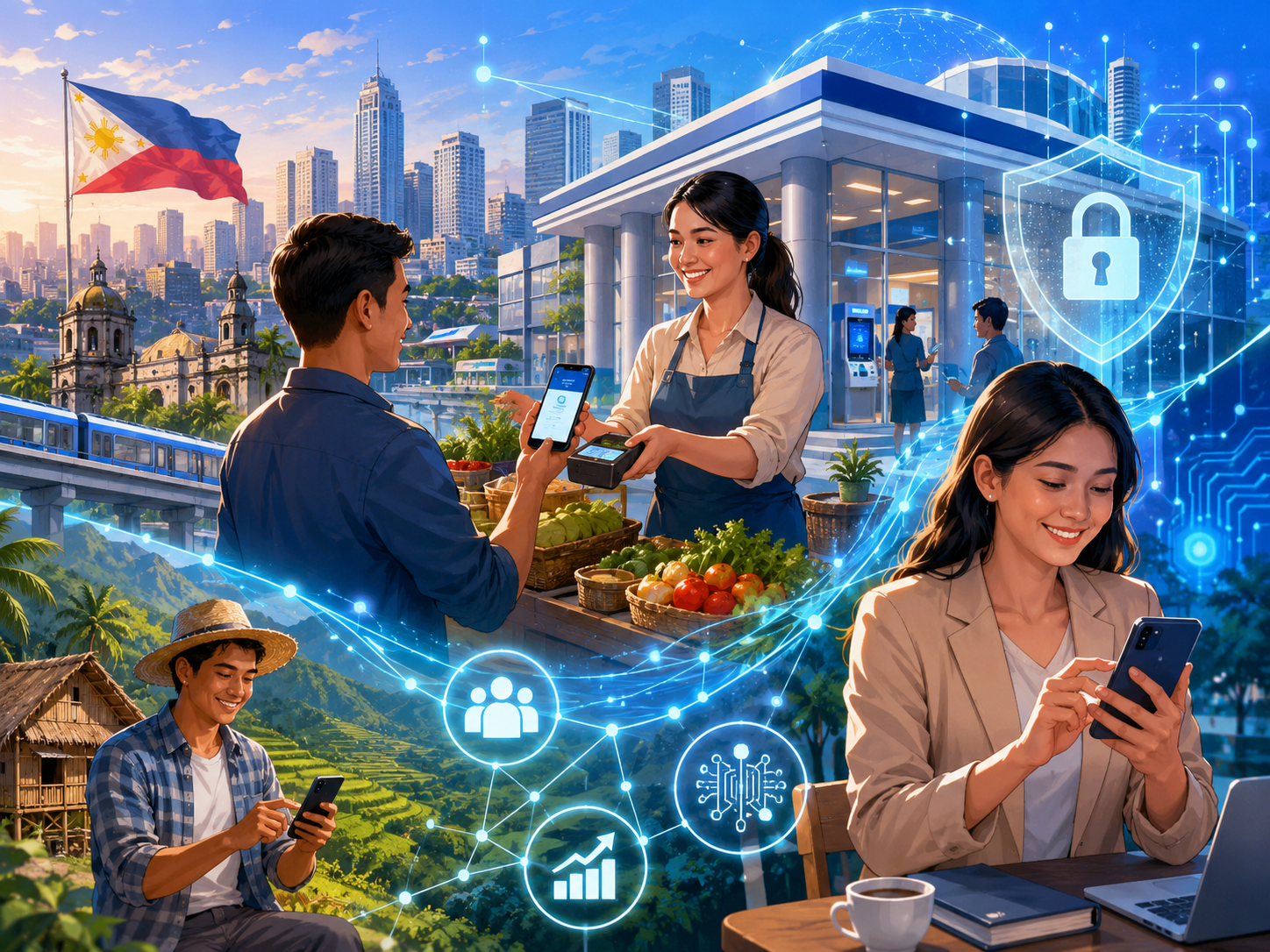
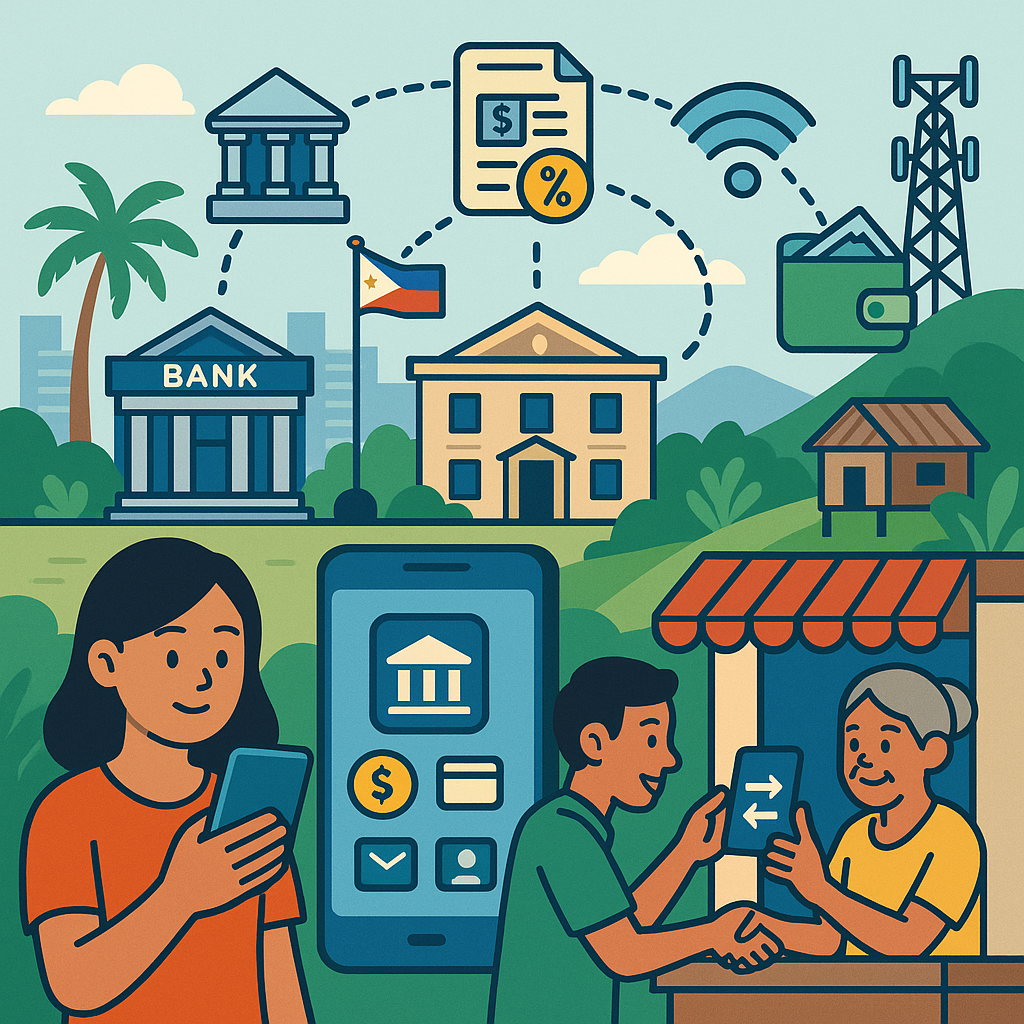
Mobile banking has become deeply woven into everyday life for a growing number of Filipinos. From paying for groceries with a quick scan to receiving salary directly into a digital wallet, these services are transforming how people interact with money. Beyond convenience, mobile banking is a powerful engine for financial inclusion, bringing those at the margins of the formal financial system into closer contact with useful, secure services.
Historically, many Filipinos stayed outside formal banking for practical and economic reasons. Branches were scarce in remote areas, account opening procedures were complex, and fees or minimum balances were often too high. As a result, people saved in cash, joined informal savings groups, or relied on moneylenders charging high interest rates. This limited their ability to smooth consumption, invest in education or business, and withstand shocks.
Mobile banking changes this landscape by using devices that people already rely on daily. Even in lower-income communities, mobile phones are widely owned or shared among family members. Banking and payment apps, as well as USSD-based services for basic phones, allow users to enroll, transact, and monitor their finances without traveling long distances. For many, the first interaction with formal finance now occurs on a screen rather than at a teller window.
The impact is visible in several aspects of household and business life. For individuals, mobile banking provides a safer place to store funds than keeping cash at home. People can set aside money in separate digital wallets, schedule bill payments, or buy prepaid services with a few taps. Over time, these features support better budgeting and make it easier to avoid late payment penalties or service interruptions.
For small businesses, mobile banking reduces friction in accepting and making payments. Street vendors, sari-sari store owners, and online sellers can take digital payments, which improves customer convenience and can expand their reach. Digital transaction histories give them a form of financial footprint that previously did not exist, increasing the chances of qualifying for microcredit or supplier financing. In turn, this can help them expand inventory, invest in equipment, or hire additional workers.
Government and development programs also leverage mobile banking to promote inclusion. Cash transfers to low-income households, stipends for students, and payments under public works schemes can be disbursed digitally. This reduces administrative costs, minimizes leakages, and gives beneficiaries more control over when and how they access funds. In times of crisis, such as natural disasters, digital disbursements can be particularly valuable when physical infrastructure is damaged.
However, there are still gaps to be addressed. Digital and financial literacy do not automatically follow from owning a phone. Some users may struggle to navigate menus, understand fees, or evaluate the credibility of messages claiming to be from financial institutions. Scams and fraud attempts can undermine confidence if not properly managed. Service providers and regulators need to invest in education, clear communication, and robust security measures to protect users.
Furthermore, inclusive mobile banking requires attention to gender, age, and regional disparities. Women, older adults, and residents of remote islands may face unique obstacles, from cultural norms to weaker network coverage. Tailored outreach, localized agent networks, and user interfaces that consider different needs can help ensure that the benefits of mobile banking are widely shared.
As the Philippine digital finance ecosystem matures, mobile banking stands at the center of efforts to link everyday financial behavior with inclusive economic growth. The more people can participate safely and affordably in digital transactions, the more they can save, invest, and plan for the future, strengthening both their own resilience and the country’s broader development path.