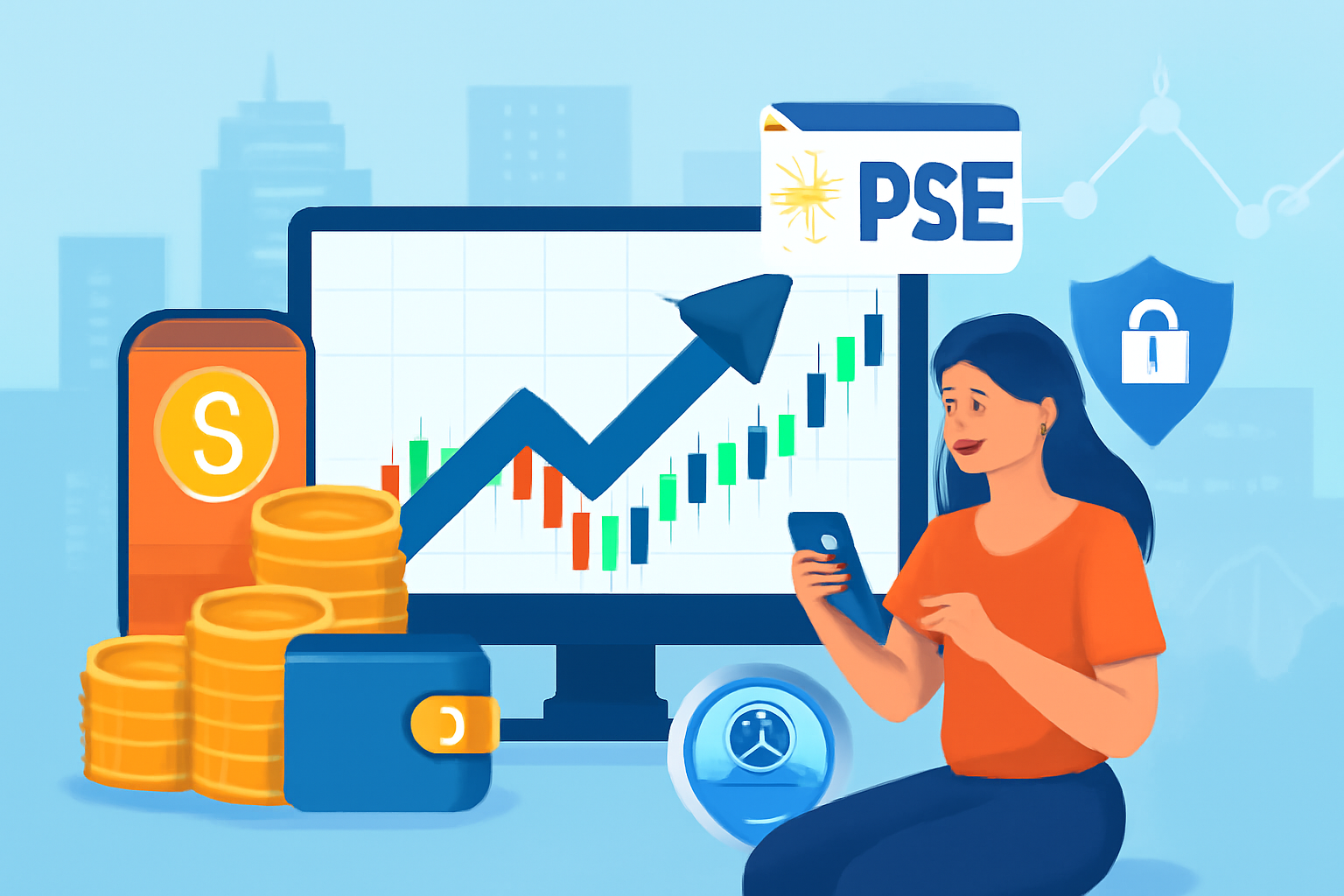
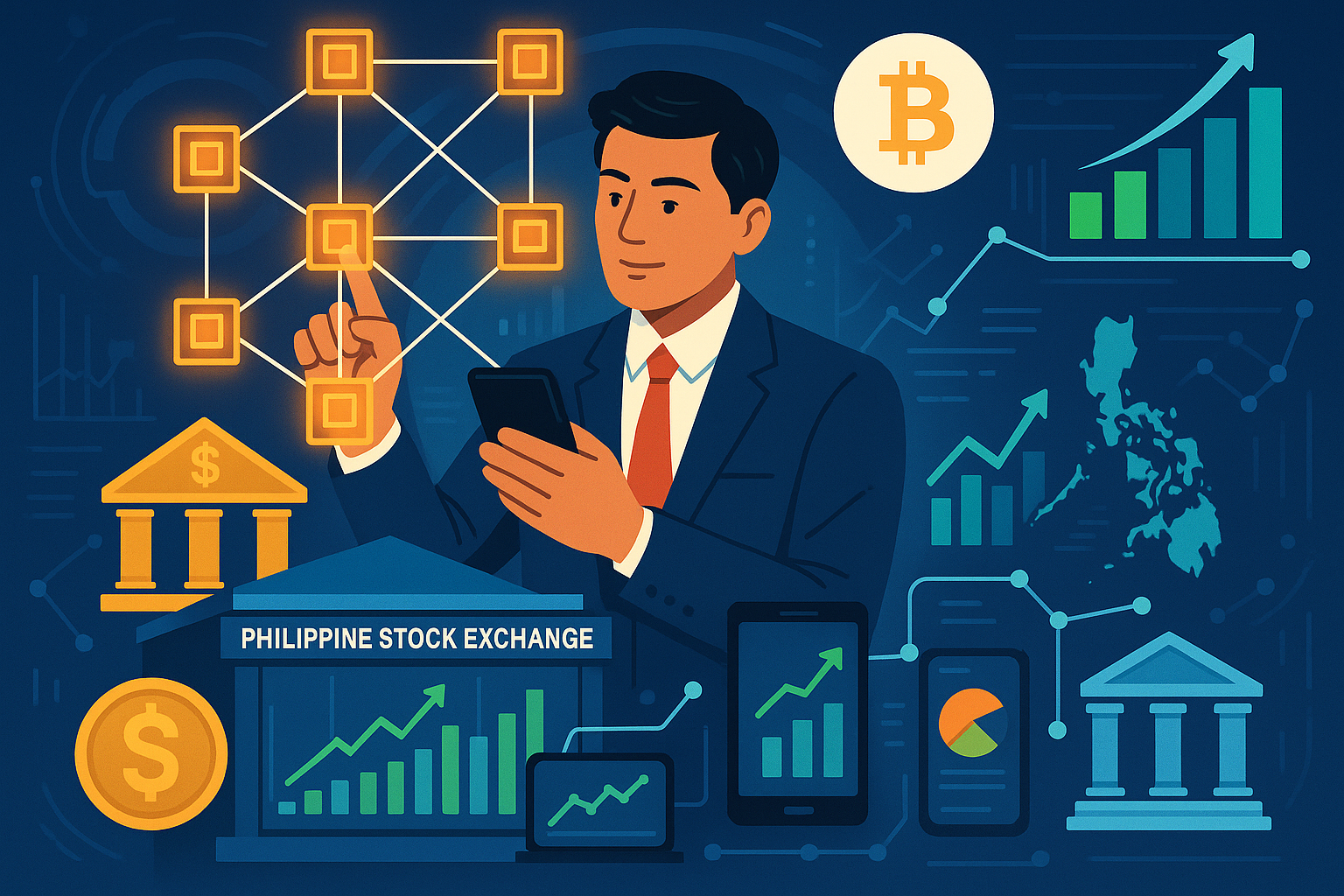
Beyond trading platforms and payment links, one of the most transformative impacts of technology on the Philippine stock market is the rise of data-driven investing. The growing availability of digital information, combined with analytics tools and algorithms, is changing how both retail and institutional investors make decisions.
In the past, many investors relied on basic price charts, news clippings, or broker recommendations. Today, even small investors can access real-time data feeds, interactive charts with technical indicators, and comprehensive company profiles. Apps and web platforms allow users to filter stocks by sector, market capitalization, valuation metrics, or dividend history with just a few clicks, turning complex analysis into something more approachable.
Institutional players have taken this a step further by incorporating algorithmic trading and quantitative strategies. Using historical data, they develop models that identify patterns in price movements, volatility, or correlations among stocks. These algorithms can automatically generate trade signals and execute orders according to predefined rules, minimizing emotional bias and responding quickly to market changes. While the scale of algorithmic trading in the Philippines is still modest compared to major global markets, its presence is growing.
Artificial intelligence and machine learning are starting to find their way into research and portfolio management. Some firms experiment with models that analyze financial statements, corporate disclosures, and even news sentiment to forecast earnings or estimate risk. Automated tools can scan vast volumes of information faster than any human analyst, highlighting anomalies or emerging trends that merit closer attention.
For retail investors, one of the most promising developments is the rise of robo-advisory and goal-based tools, even if still in early stages in the Philippines. These digital advisors typically gather information about a client’s financial goals, time horizon, and risk tolerance, then recommend a diversified portfolio aligned with those inputs. While many robo-advisors currently focus on mutual funds or global instruments, similar technology can support stock allocation strategies within the local market.
Social media and alternative data also influence investor behavior. Market participants monitor online discussions, trending topics, and sentiment shifts to gauge crowd psychology. Some traders attempt to leverage spikes in online interest around specific companies as early signals of potential price movements. This dynamic environment creates opportunities but also raises the risk of hype-driven rallies and sharp corrections.
The increasing reliance on data and algorithms underscores the need for digital literacy. Investors must understand the limitations of models, the quality of underlying data, and the risks of overfitting or blindly following automated signals. Tools that appear sophisticated are not guaranteed to be accurate, and historical patterns may break down during periods of market stress.
Regulators and the exchange face new challenges as data-driven strategies become more prevalent. They must monitor whether certain algorithms contribute to excessive volatility, unfair advantages, or unintended systemic risks. Clear rules regarding market abuse, disclosure of automated strategies when necessary, and robust testing standards are important components of a healthy environment.
Despite these complexities, the broader trend is toward a more informed and analytical investing culture. Technology has made high-quality data and powerful tools available to a wider audience, leveling the playing field compared to previous decades. As more Filipino investors learn to interpret and harness this information responsibly, the stock market can evolve into a space where decisions are driven more by evidence and strategy than by speculation and rumor.