
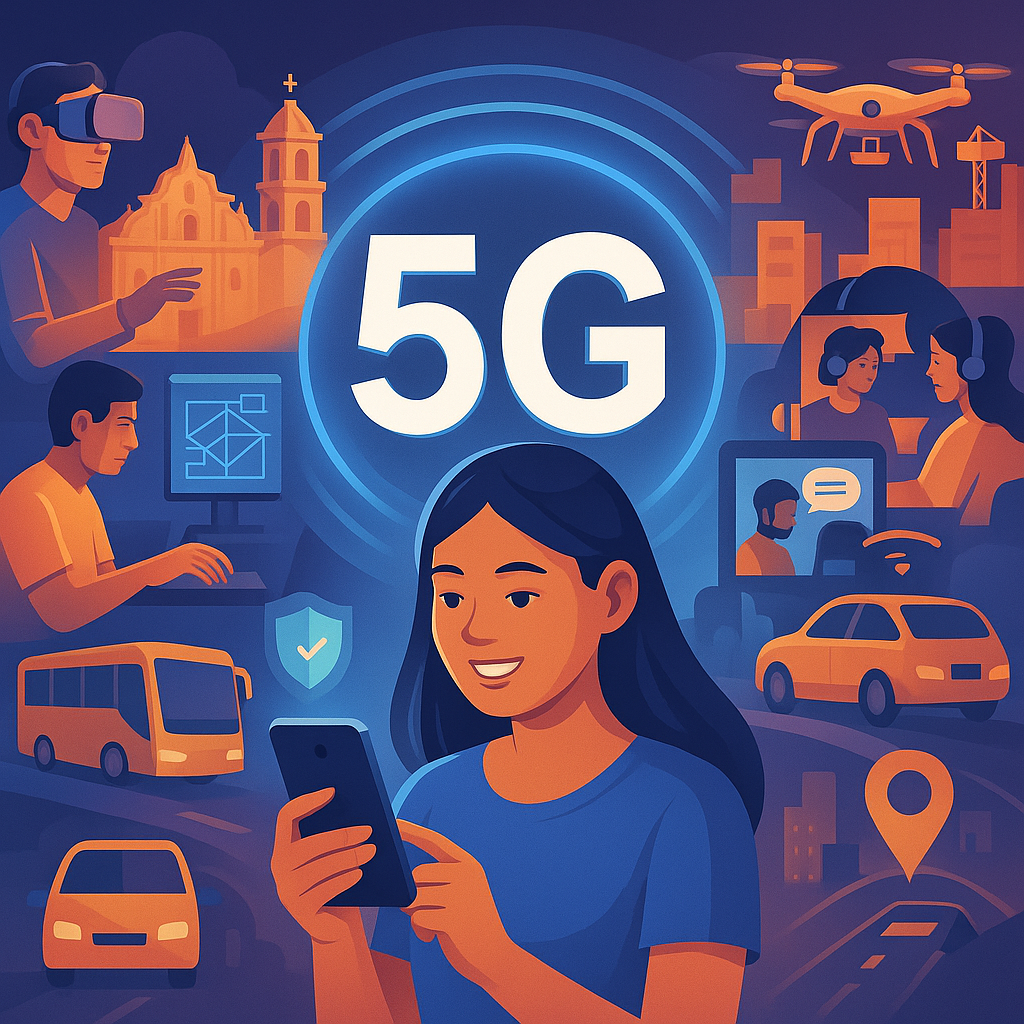
The emergence of 5G networks in the Philippines marks a turning point for digital startups aiming to compete regionally. Earlier waves of innovation were built on SMS, then 3G and 4G broadband. Now, 5G offers a new foundation: networks capable of extremely low delay, high throughput, and dense device connectivity. This technical jump allows Filipino founders to design services that respond instantly and gather data from thousands of endpoints at once.
Customer experience is one of the first areas to feel the impact. Startups can deliver apps that load faster, respond more smoothly, and support richer media—even during peak hours in busy urban centers. For example, travel and booking platforms can incorporate interactive maps, live hotel or transport availability, and real-time customer support using video or chatbots. A snappier experience can translate into better engagement and higher conversion rates.
In the realm of public services and civic tech, 5G enables a new class of tools. Startups working with local governments can build smart city dashboards that consolidate data from sensors, CCTV cameras, and environmental monitors. These platforms can help manage traffic, track floods, or monitor air quality. With 5G’s capacity, such systems can handle more devices and provide near real-time insights, improving urban planning and disaster response—key concerns in many Philippine cities.
Rural connectivity remains a national challenge, but 5G can complement existing efforts. Fixed wireless access and 5G-powered community networks can bring high-speed internet to areas where laying fiber is impractical. Startups can partner with cooperatives, schools, and local businesses to offer connectivity bundles, local content platforms, or digital services tailored to the needs of rural communities. As more people come online with better speeds, the market for digital products widens.
The startup job market also evolves alongside 5G deployment. Demand rises for engineers who understand network slicing, edge computing, cybersecurity, and data science. Filipino startups that invest early in these skills can differentiate themselves, offering specialized services not only locally but also to clients abroad. Remote work platforms and BPO-related ventures can use 5G to deliver higher-value services, such as real-time design collaboration, cloud engineering, and virtual production.
Despite its promise, 5G introduces strategic questions for founders. Infrastructure costs, device compatibility, and patchy coverage in early phases can limit how quickly users benefit from advanced features. Startups need to be pragmatic: launch products that work well on existing networks while designing a roadmap that unlocks more 5G-specific capabilities as coverage improves. This staged approach helps manage risk and capital requirements.
Regulators and telcos play a crucial role as well. Sandbox programs, open APIs, and partnership initiatives can make it easier for startups to experiment with 5G features without huge up-front investment. By actively engaging in these ecosystems, Filipino founders can test prototypes, gather user feedback, and iterate quickly.
5G does not guarantee success, but it changes the playing field. Those startups that learn to integrate connectivity, edge computing, and data-driven design into their products will be better placed to solve Philippine-specific challenges—whether in transport, agriculture, education, or creative industries—and to export those solutions to markets facing similar issues.